


In the midst of the Cold War, a daring covert operation orchestrated by the CIA and MI6 marked a pivotal moment in modern history. The 1953 Iranian coup, codenamed Operation Ajax, saw the overthrow of the democratically-elected Prime Minister Mohammad Mosaddegh and the reinstatement of the Shah Mohammad Reza Pahlavi, who had been forced into exile.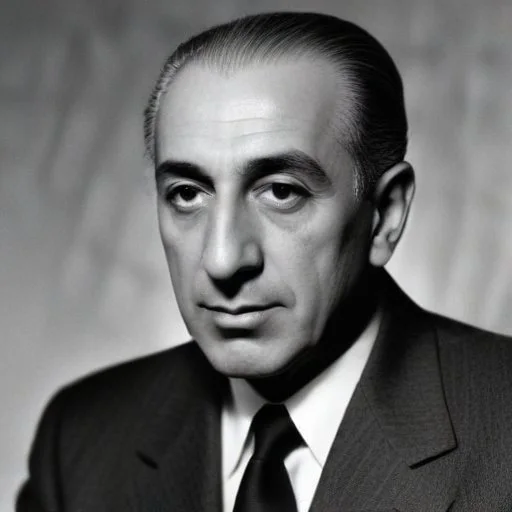
Iran, a country with a rich history and strategic location, had long been a focal point of imperial interests. From the 19th century, Britain and Russia vied for influence over the country's oil resources. By the mid-20th century, the United States had joined the fray, eager to secure a foothold in the region. The 1951 nationalization of Iran's oil industry by Mosaddegh, previously controlled by British Petroleum, sparked tensions with the West.
The operation began in earnest in March 1953, with CIA and MI6 agents spreading propaganda and bribing politicians to turn against Mosaddegh. On August 15, 1953, a group of royalist officers, backed by the CIA and MI6, stormed Mosaddegh's residence, arresting him and eventually sentencing him to house arrest.
The successful coup marked a significant milestone in the Cold War, as the United States and Britain demonstrated their willingness to intervene in the internal affairs of sovereign nations. The reinstatement of the Shah would have far-reaching consequences, including:
The Operation Ajax coup has had a lasting impact on the relationship between the West and Iran, fostering an atmosphere of mistrust and suspicion. The CIA and MI6's involvement in the coup remained classified for decades, fueling conspiracy theories and anti-imperialist sentiment.
"The CIA and MI6 got away with it, but it was a dirty business. It was a covert operation that overthrew a government, and it was wrong."
— Kermit Roosevelt Jr., CIA operative and architect of Operation Ajax
In the shadows of the Cold War, Operation Ajax stands as a testament to the brutal realities of geo-political intrigue. As we navigate the complexities of modern global politics, it is essential to remember the lessons of this pivotal event and the enduring impact it has had on international relations.
Kermit Roosevelt Jr., the CIA operative who masterminded Operation Ajax, was a charismatic and cunning figure. Born into a family of American aristocrats, Roosevelt was educated at Groton and Harvard, before joining the CIA in 1947. His involvement in Operation Ajax marked a pivotal moment in his career, solidifying his reputation as a skilled covert operative.
Roosevelt's leadership during the operation was marked by his ability to think on his feet and adapt to changing circumstances. He worked closely with British intelligence agents, bribing politicians and spreading propaganda to turn the tide of public opinion against Mosaddegh.

The CIA-backed coup of 1953 had a profound impact on Iranian culture, fostering an atmosphere of mistrust and suspicion towards Western powers. The operation marked a turning point in the country's history, as the government, now beholden to the Shah, began to crack down on dissent and opposition.
The coup also had a profound impact on Iranian literature and art, as many intellectuals and creatives were forced into exile or silenced. The operation marked a dark period in Iranian cultural history, as the country's vibrant cultural scene was stifled by the heavy hand of government repression.
The events leading up to Operation Ajax were marked by a complex web of political intrigue and geo-political maneuvering. In the aftermath of World War II, the United States and Britain began to vie for influence in the Middle East, as the region's oil resources became increasingly vital to the global economy.
The 1949 Iranian oil strike, led by Mosaddegh, marked a turning point in the country's relationship with the West. The strike, which lasted for five months, highlighted the growing tensions between Iran and Britain, as the country demanded greater control over its oil resources.

The successful overthrow of Mosaddegh marked a significant milestone in the Cold War, as the United States and Britain demonstrated their willingness to intervene in the internal affairs of sovereign nations. The operation sent a clear signal to the Soviet Union, as the West sought to contain the spread of communism in the region.
The coup also had a profound impact on the balance of power in the Middle East, as Iran was firmly established as a key player in the region. The operation marked a turning point in the country's history, as the Shah, backed by the West, began to consolidate his power and position within the region.
The political fallout from Operation Ajax was far-reaching and profound. The coup marked a turning point in the relationship between Iran and the West, as the country's democratic movement was stifled and the Shah's authoritarian regime was consolidated.
The operation also had a lasting impact on the development of Iranian politics, as the country's political landscape was forever altered. The coup marked a watershed moment in the country's history, as the democratic aspirations of the Iranian people were crushed by the heavy hand of external interference.