


The Soviet Union's sudden lifting of its 11-month-long blockade of West Berlin in May 1949 marked a significant milestone in the Cold War, signaling a major defeat for Soviet aggression and a triumph for the Western powers. This pivotal event not only saved the city of Berlin from starvation but also paved the way for a more nuanced understanding between the East and the West.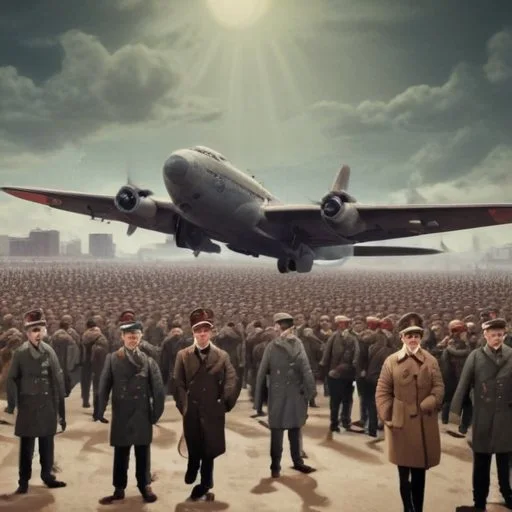
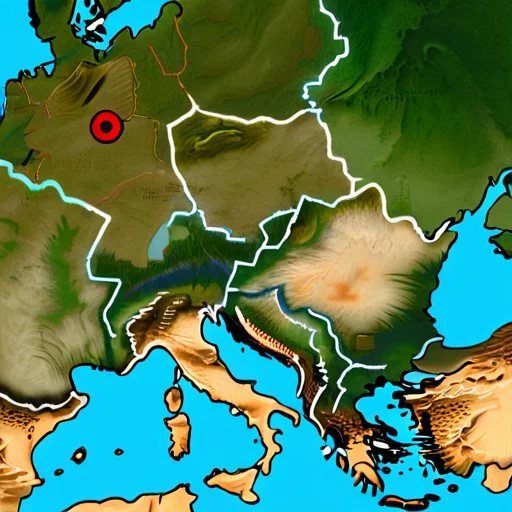
In the aftermath of World War II, Germany was divided into four occupational zones controlled by the United States, Great Britain, France, and the Soviet Union. As tensions between the East and the West began to rise, the Soviet Union sought to strengthen its grip on Eastern Europe by imposing a blockade on West Berlin, which was located deep within the Soviet-occupied zone.
The blockade, which began on June 24, 1948, effectively cut off West Berlin from the rest of the world, leaving its 2 million inhabitants without access to basic necessities like food and medicine. In response, the Western powers launched the Berlin Airlift, a massive effort to supply the city through air transport. Over 277,000 flights were made, delivering over 2 million tons of cargo, including food, coal, and medicine, to the beleaguered city.
On May 12, 1949, the Soviet Union suddenly and unexpectedly lifted its blockade, bringing an end to the crisis. The move was seen as a significant shift in Soviet policy, marking a departure from the aggressive stance that had characterized the early years of the Cold War.
The lifting of the blockade had far-reaching implications for the Cold War and beyond. It marked a victory for the Western powers, who had demonstrated their resolve to resist Soviet aggression. The crisis also led to the creation of the North Atlantic Treaty Organization (NATO) in 1949, a military alliance that would provide a collective defense against Soviet expansion.
The Berlin Blockade and Airlift had a profound impact on the cultural and social fabric of the city. Berliners, who had lived under the shadow of war and occupation, were buoyed by the influx of aid and support from the Western powers. The crisis also brought about a sense of unity and cooperation among the Western powers, who had put aside their differences to support the city.
The Berlin Blockade and Airlift were not without controversy. Critics argued that the Western powers had responded too slowly to the crisis, leaving Berliners to suffer for months. Others questioned the morality of supplying a city that was effectively divided from the rest of East Germany.
The Berlin Blockade and Airlift set a precedent for future conflicts. The crisis demonstrated the effectiveness of airlifts in supplying isolated cities and paved the way for similar operations in future conflicts, such as the 1956 Hungarian Revolution and the 1962 Cuban Missile Crisis.
The Berlin Blockade and Airlift serve as a testament to the resilience and determination of the human spirit. In the face of adversity, Berliners and the Western powers came together to resist oppression and defend freedom. The crisis reminds us that even in the darkest of times, there is always hope for a better tomorrow.
The Soviet Union's decision to impose a blockade on West Berlin was not an isolated incident, but rather a culmination of escalating tensions between the East and the West. In the years following World War II, the Soviet Union had been steadily consolidating its power in Eastern Europe, and the Western powers had been responding with a series of diplomatic and economic counter-measures.
The introduction of the Marshall Plan in 1947, a massive economic aid package designed to rebuild war-torn Europe, was seen as a direct challenge to Soviet influence in the region. The Soviet Union responded by establishing the Cominform, a communist propaganda organization aimed at countering Western influence.
In this context, the blockade of West Berlin can be seen as a deliberate attempt by the Soviet Union to test the resolve of the Western powers and to demonstrate its ability to exert control over Eastern Europe.

The Berlin Airlift was not just a military operation, but a cultural phenomenon that captured the imagination of people around the world. The sight of planes flying in and out of Tempelhof Airport, carrying food, medicine, and supplies to the beleaguered city, became a powerful symbol of hope and resilience.
The airlift also played a significant role in shaping American cultural identity in the post-war period. It was seen as a demonstration of American generosity and technological prowess, and it helped to foster a sense of patriotism and national pride.
In Berlin itself, the airlift had a profound impact on the cultural landscape. It helped to foster a sense of community and solidarity among Berliners, and it paved the way for the city's rebirth as a center of art, music, and literature.
General Lucius D. Clay was the American military governor of Germany at the time of the Berlin Blockade, and he played a crucial role in organizing the Berlin Airlift. Clay was a seasoned military officer with a no-nonsense approach to problem-solving, and he was determined to find a way to supply the city despite the Soviet Union's attempts to isolate it.
Clay's leadership during the crisis was instrumental in maintaining morale among the Berliners and the Allied forces. He worked closely with the British and French authorities to coordinate the airlift effort, and he oversaw the development of a complex logistical system that enabled the delivery of thousands of tons of supplies to the city.
Clay's contribution to the Berlin Airlift was recognized with the award of the Distinguished Service Medal, and he remains one of the most celebrated figures of the Cold War era.
The Berlin Airlift was a groundbreaking operation that pushed the boundaries of military logistics and aviation technology. The airlift required the development of new systems for tracking and coordinating air traffic, as well as innovative solutions for loading and unloading cargo planes.
The airlift also saw the introduction of new aircraft types, such as the C-54 Skymaster, which was specifically designed for cargo transport. The C-54 played a crucial role in the airlift, and its durability and reliability helped to ensure the success of the operation.
The technological innovations developed during the Berlin Airlift had far-reaching consequences for military and civilian aviation, and they paved the way for future humanitarian airlifts and disaster relief operations.
"The Berlin Blockade was a pivotal moment in the Cold War, marking a turning point in the struggle between East and West." - John Lewis Gaddis, historian
"The airlift was a masterclass in crisis management, demonstrating the ability of the Western powers to adapt to changing circumstances and find creative solutions to complex problems." - Melvyn P. Leffler, historian
"The blockade and airlift highlighted the importance of soft power in international relations, demonstrating the power of economic and cultural influence in shaping global events." - Odd Arne Westad, historian