


The cole Polytechnique massacre, also known as the Montreal Massacre, is a tragic event in Canadian history that shook the nation to its core. On December 6, 1989, Marc Lpine, a 25-year-old gunman, perpetrated a brutal attack on the cole Polytechnique in Montreal, deliberately targeting and killing 14 young women, and injuring 14 others.
In the late 1980s, Canada was grappling with a rising tide of anti-feminist sentiment, fueled by reactionary forces that sought to roll back the gains made by the feminist movement. This toxic climate of hostility and misogyny created an environment in which Marc Lpine's twisted beliefs could take root and flourish.
On the fateful day, Lpine, armed with a rifle and a hunting knife, stormed into the cole Polytechnique's engineering classroom, where he separated the male and female students. He then proceeded to shoot and kill 14 women, declaring "I hate feminists" as he committed his heinous crimes. The victims, ranging in age from 20 to 31, were all students or staff members at the university.
The 14 women who lost their lives in the massacre were:
Many of the survivors were left with severe physical and emotional scars, their lives forever changed by the traumatic event.
In the immediate aftermath of the massacre, the Montreal police launched a comprehensive investigation, which revealed that Lpine had a history of mental health issues and had been obsessed with a perceived threat to traditional masculinity. The investigation also uncovered a suicide note, in which Lpine outlined his twisted motivations for the attack.
The cole Polytechnique massacre sparked a national outcry against gender-based violence and misogyny, galvanizing a movement for change. In response to the tragedy, the Canadian government established the Firearms Act, which introduced stricter gun control laws and improved background checks for firearms owners. The event also inspired the White Ribbon Campaign, an international movement to promote gender equality and combat violence against women.
The cole Polytechnique massacre will forever be remembered as a painful and tragic chapter in Canadian history. As we reflect on this devastating event, we honor the memories of the 14 innocent lives lost, and reaffirm our commitment to combating gender-based violence and promoting a society that values equality, respect, and human dignity.
The historiographical perspective on the École Polytechnique massacre sheds light on the complex dynamics of masculinity and femininity in late 20th-century Canada. Historians have argued that the event was a manifestation of a broader crisis in traditional masculinity, fueled by the rise of feminist movements and the decline of patriarchal authority.
Some historians have also drawn parallels between the massacre and other violent incidents targeting women, highlighting the ways in which gender-based violence is often rooted in a toxic ideology of masculinity.
By examining the massacre through a historiographical lens, scholars can better understand the social, cultural, and political currents that contributed to this tragic event.

The École Polytechnique massacre had a profound impact on Canadian culture, sparking a national conversation about gender-based violence and misogyny. The event led to a surge in feminist activism, with many women and men mobilizing to demand greater action from the government to address violence against women.
In the years following the massacre, there was a marked increase in the number of feminist organizations and initiatives dedicated to promoting gender equality and combating gender-based violence.
The massacre also inspired a new wave of feminist art and literature, with many creators using their work to explore themes of gender, violence, and trauma.
The École Polytechnique massacre was a catalyst for significant social change in Canada, driving a shift in public awareness and attitudes towards gender-based violence.
In the aftermath of the massacre, there was a growing recognition of the need for systemic change, with many advocates calling for greater action to address the root causes of gender-based violence.
The event also led to the establishment of new institutions and programs dedicated to promoting gender equality and combating violence against women, including the Canadian Panel on Violence Against Women.
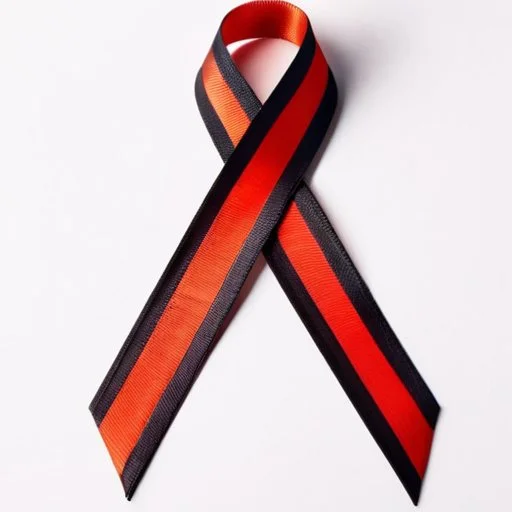
Marc Lépine, the perpetrator of the École Polytechnique massacre, was a complex and troubled individual with a history of mental health issues and a deep-seated hatred of women.
Lépine's violent ideology was shaped by a toxic mix of misogyny, anti-feminism, and a perceived sense of entitlement and superiority.
Through his actions, Lépine sought to assert his dominance over women and restore what he saw as the natural order of male superiority.
The École Polytechnique massacre occurred at a time of significant geopolitical upheaval, with the collapse of the Soviet Union and the end of the Cold War.
In this context, the event took on a symbolic significance, highlighting the need for Canada to re-examine its values and priorities in a rapidly changing world.
The massacre also underscored the importance of addressing the root causes of gender-based violence, including systemic inequality and discrimination.