


On July 17, 2001, the aviation world held its breath as the Concorde, the iconic supersonic jet, roared back to life nearly a year after a devastating crash had grounded it. This majestic aircraft, capable of reaching unimaginable speeds of Mach 2.04, was once again cleared for commercial flight, bridging the gap between London and New York in a mere 3.5 hours.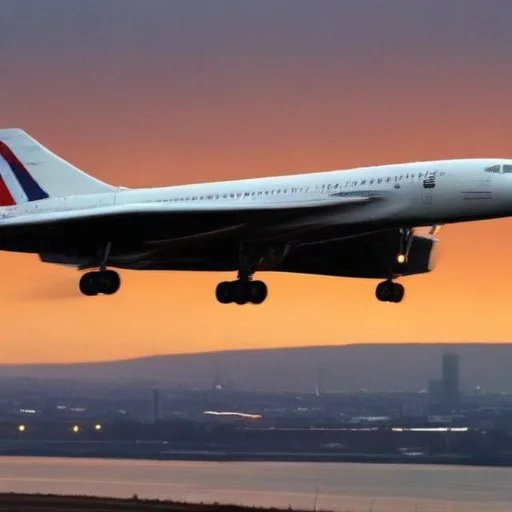
The Concorde's return was no easy feat. The tragic crash on July 25, 2000, had claimed 113 lives, sending shockwaves throughout the aviation industry. In response, Air France and British Airways, the two airlines operating the Concorde, embarked on an extensive revamp of the aircraft's safety measures. The plane underwent a meticulous overhaul, with every component scrutinized, every system re-examined, and every possible safety improvement implemented.
The Concorde's return to service was contingent upon meeting the highest safety standards. This necessitated an exhaustive testing program, with the plane subjected to rigorous trials to ensure its airworthiness. The aircraft's tires were redesigned, its fuel tanks were modified, and its landing gear was strengthened. Additionally, the Concorde's pilots underwent specialized training to mitigate the risk of future accidents.
The Concorde's successful return was, in large part, thanks to the tireless efforts of Airbus, the European aerospace corporation. Airbus played a critical role in the plane's redesign, working closely with Air France and British Airways to identify and address potential safety concerns. The corporation's expertise and commitment to excellence were instrumental in getting the Concorde back in the air.
The Concorde's return marked a new era for supersonic flight. With its improved safety features and reinvigorated reputation, the plane was poised to reassert its dominance in the luxury air travel market. As passengers once again boarded the Concorde, they were treated to an unparalleled flying experience, with the aircraft's iconic droop-nose design and its signature sonic boom announcing its arrival.
As the Concorde soared back into the skies, it marked a triumphant return for the supersonic jet. This majestic aircraft, once again, proved its prowess, bridging the gap between continents and redefining the limits of luxury air travel. The Concorde's story serves as a testament to human ingenuity, perseverance, and the unrelenting pursuit of excellence.
The Concorde's return to service marked a significant milestone in the history of supersonic flight. The aircraft's advanced technology, including its Rolls-Royce Olympus 593 engines and droop-nose design, allowed it to reach incredible speeds and altitudes. The Concorde's flight control systems, which included advanced autopilot and autothrottle features, were also highly advanced for its time.
The Concorde's impact on the aviation industry was profound, driving innovation and advancements in areas such as materials science, aerodynamics, and engine design. The aircraft's development and operation pushed the boundaries of what was thought possible, paving the way for future generations of supersonic aircraft.

The Concorde's return to service was a cultural phenomenon, with the aircraft becoming an iconic symbol of luxury and exclusivity. The Concorde's sleek design, combined with its incredible speed and altitude capabilities, captured the imagination of people around the world.
The Concorde's impact on popular culture was significant, with the aircraft featuring in numerous films, television shows, and music videos. The Concorde's mystique was further enhanced by its association with wealth and celebrity, with many famous individuals, including celebrities and business leaders, frequenting the aircraft.
The Concorde's return to service had a significant economic impact, generating millions of dollars in revenue for Air France and British Airways. The Concorde's operations created jobs and stimulated economic growth in the regions where it operated.
The Concorde's economic impact extended beyond the aviation industry, with the aircraft driving tourism and business travel between Europe and North America. The Concorde's operations also had a positive impact on the luxury goods and services sector, with many passengers indulging in high-end experiences during their travels.

The Concorde's return to service was documented through a range of artifacts, including photographs, videos, and technical documents. These artifacts provide a unique insight into the aircraft's design, operation, and maintenance.
One notable artifact is the Concorde's flight manual, which provides detailed information on the aircraft's systems, procedures, and operational limitations. The manual is a testament to the complexity and sophistication of the Concorde's design.