


In the early morning hours of September 27, 1996, a catastrophic oil spill occurred in Portland, Maine's bustling harbor, releasing 140,000 gallons of oil into the water. This ecological disaster, known as the Julie N. oil spill, would go on to wreak havoc on the local marine ecosystem and economy, leaving a lasting impact on the community.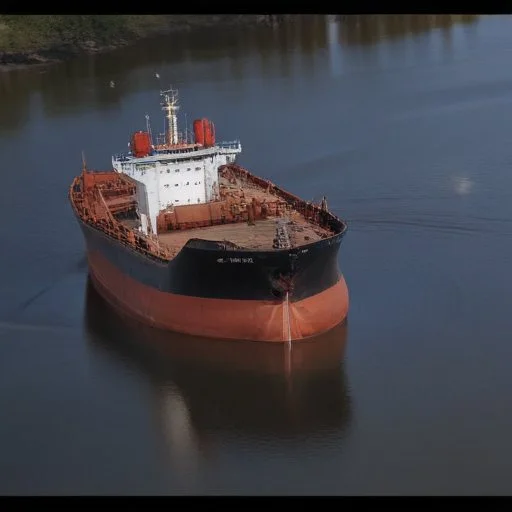
The Julie N. oil spill was the direct result of human confusion and miscommunication on board the tanker ship. The vessel, carrying a cargo of 2.5 million gallons of No. 2 heating oil, was navigating through the narrow waters of Portland Harbor when a series of critical mistakes were made. The crew's failure to properly use navigation equipment and follow safety protocols led to the tanker ship running aground, resulting in the catastrophic oil spill.
The events that unfolded that fateful morning were a culmination of mistakes and missteps. Here is a timeline of the critical moments leading up to the disaster:
The Julie N. oil spill had far-reaching consequences, affecting both the environment and local economy. The spill released 140,000 gallons of oil into the water, contaminating the harbor and surrounding marine ecosystem. The clean-up efforts, though valiant, were hampered by the complexity of the spill and the harsh winter weather conditions.
The environmental damage was extensive, with countless marine species affected, including fish, shellfish, and seabirds. The local economy also suffered, as fishermen and business owners faced significant losses due to the closure of the harbor and surrounding waters.
The Julie N. oil spill served as a stark reminder of the importance of human responsibility and safety protocols in the maritime industry. In the aftermath of the disaster, the Coast Guard and industry leaders implemented new safety measures, including:
The Julie N. oil spill stands as a cautionary tale, highlighting the devastating consequences of human error and the importance of prioritizing safety in high-risk industries. As we reflect on this ecological disaster, we are reminded of the delicate balance between human activity and the natural world, and the imperative to take responsibility for our actions.
"The sea, once it casts its spell, holds one in its net of wonder forever." - Jacques Cousteau
"We are the greatest threat to the existence of the planet, and the planet is the greatest threat to our existence." - Unknown
As we move forward, let us remember the lessons of the Julie N. oil spill and strive to protect our planet, for the sake of future generations.
The Julie N. oil spill had a profound impact on the environment, and its effects were felt for years to come. The spill contaminated over 20 miles of coastline, causing widespread damage to marine habitats and wildlife. Even after the initial cleanup efforts, oil residue remained in the water and soil, posing a threat to the ecosystem.
Studies conducted in the years following the spill revealed that the oil had penetrated deep into the sediment, affecting the food chain and altering the composition of marine life. The spill also had a devastating impact on the local fishing industry, as many fish populations were decimated by the oil.

The Julie N. oil spill had a significant economic impact on the local community, with losses estimated in the millions. The closure of the harbor and surrounding waters resulted in a complete shutdown of the fishing industry, leaving many fishermen and business owners without a source of income.
In addition to the direct losses, the spill also had a ripple effect on the local economy, as tourism and recreation industries suffered due to the environmental damage. The cleanup efforts themselves also came at a significant cost, with the total bill estimated to be over $10 million.
The Julie N. oil spill was one of the largest in Maine's history, but it's not the only devastating oil spill to occur in the region. In 1972, the tanker ship Florence ran aground off the coast of Cape Elizabeth, releasing over 200,000 gallons of oil into the water.
While both spills had significant environmental and economic impacts, the Julie N. spill was notable for its location in a densely populated area, making the cleanup efforts more complex and challenging. In contrast, the Florence spill occurred in a more remote area, limiting the initial environmental damage.
The Julie N. oil spill had a profound impact on the community of Portland, Maine, and its residents. The spill sparked widespread outrage and concern, with many calling for greater accountability and safety measures in the maritime industry.
In the aftermath of the spill, local artists and activists came together to raise awareness and funds for the cleanup efforts. The spill also led to increased community engagement and participation in environmental issues, as residents came together to demand greater protection for their coastal resources.
The Julie N. oil spill is part of a larger historical narrative of human error and environmental disaster. From the Exxon Valdez to the Deepwater Horizon, there is a long history of oil spills and environmental catastrophes caused by human mistakes and negligence.
By examining these events in context, we can gain a deeper understanding of the systemic failures and cultural attitudes that contribute to environmental disasters. The Julie N. oil spill serves as a powerful reminder of the need for increased accountability and safety measures in the maritime industry.