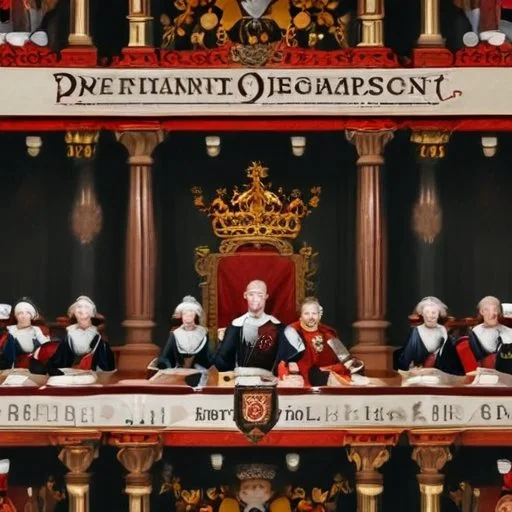
English monarchy's power is redefined by Parliament
The tables turned on December 16, 1689, when the Convention Parliament forced King William III and Queen Mary II to accept the Declaration of Right, a document that would reshape the British monarchy. This bold move marked a significant shift in power, limiting the monarch's authority and establishing Parliament as a crucial player in the government. The Declaration of Right, which would eventually become the Bill of Rights, protected certain rights of individuals, like freedom from cruel and unusual punishment, and prohibited the monarch from suspending laws without consent. This revolutionary act paved the way for a more democratic England, where the sovereignty of the people reigned supreme.