


The infamous nuclear accident at Three Mile Island is forever etched in the memories of Americans as a chilling reminder of the catastrophic potential of nuclear power. This harrowing incident, which occurred on March 28, 1979, saw a coolant leak at the Unit 2 nuclear reactor outside Harrisburg, Pennsylvania, resulting in a partial meltdown of the reactor's nuclear fuel.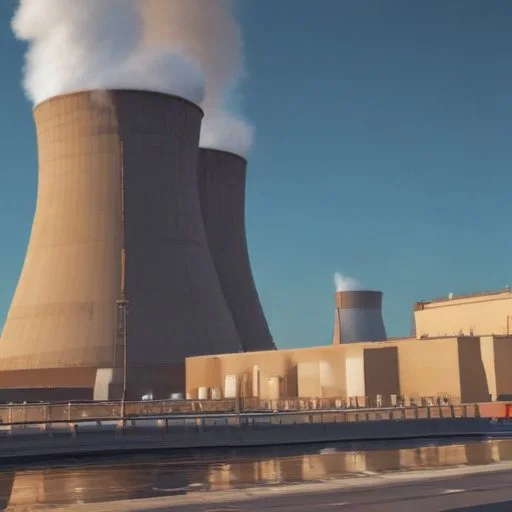
In the aftermath of the incident, it became clear that a series of critical errors and design flaws had pushed the reactor to the brink of catastrophe. A routine maintenance procedure had gone awry, culminating in a coolant leak that triggered a chain reaction of events. The subsequent investigation revealed a startling lack of communication, inadequate training, and a design flaw in the reactor's cooling system.
In the face of this unprecedented crisis, the plant's operators demonstrated remarkable composure and quick thinking. Their decisive actions, despite being hampered by inadequate safety protocols, managed to prevent a catastrophic release of radioactive materials. This narrow escape is a testament to the bravery and expertise of the men and women who worked tirelessly to contain the disaster.
The Three Mile Island accident marked a turning point in the nuclear power industry, prompting a comprehensive overhaul of safety protocols and regulations. The incident exposed critical flaws in reactor design, operator training, and emergency preparedness, leading to a renewed focus on safety and risk management.
The accident has had a lasting impact on the nuclear industry, informing safety standards and emergency response protocols worldwide. It has also served as a cautionary tale, highlighting the importance of transparency, accountability, and rigorous safety protocols in the pursuit of nuclear energy.
In the wake of this near-catastrophe, the world was forced to confront the risks and consequences of nuclear power. While the incident was a sobering reminder of the dangers, it also spurred a new era of safety consciousness, paving the way for a more responsible and sustainable approach to nuclear energy.
The nuclear accident at Three Mile Island released radioactive gases and iodine into the environment, contaminating the surrounding area. Although the immediate health risks were mitigated, the long-term effects of the accident on the environment are still debated. The cleanup efforts took 14 years to complete, with a cost of over $1 billion.
The nearby Susquehanna River, which provides water to the reactor, was also affected by the accident. Radioactive materials were found in the river, posing a risk to aquatic life and human consumption. Moreover, the accident raised concerns about the disposal of nuclear waste and the potential risks it poses to the environment.
Richard Parks, a mechanical engineer and safety inspector, was one of the first to sound the alarm about the design flaws at Three Mile Island. His tireless efforts to expose the truth about the accident led to a Congressional investigation and a major overhaul of the nuclear industry.
Parks' courage in the face of adversity is a testament to the importance of whistleblowers in ensuring public safety. His story is a powerful reminder that individual actions can make a significant difference in preventing catastrophic accidents.
The accident at Three Mile Island marked a significant turning point in the development of nuclear technology. The incident led to a major redesign of reactor cooling systems, with a focus on improving safety and reliability.
New safety measures, such as the use of backup cooling systems and enhanced operator training, were implemented to prevent similar accidents. The incident also accelerated the development of passive safety systems, which can cool the reactor without the need for an external power source.

The Three Mile Island accident has been the subject of intense historiographical debate, with many scholars interpreting the event as a watershed moment in the history of nuclear power.
Some historians have argued that the accident marked the beginning of the end of the nuclear era, as public trust in the technology began to erode. Others have seen it as a catalyst for improved safety standards and a more cautious approach to nuclear development.
The Three Mile Island accident had a profound impact on popular culture, with the event being referenced in numerous films, literature, and music.
The accident inspired a new wave of anti-nuclear activism, with many artists and musicians using their work to raise awareness about the risks of nuclear power. The incident also sparked a renewed interest in nuclear safety, with many documentaries and books exploring the causes and consequences of the accident.