


The Freedom Tower, a majestic skyscraper rising from the ashes of the World Trade Center, was born on a pivotal morning in 2004, as its cornerstone was laid on the sacred grounds of Lower Manhattan. This momentous occasion marked a triumph of human spirit over tragedy, as New York City embarked on a journey of rebirth and revitalization.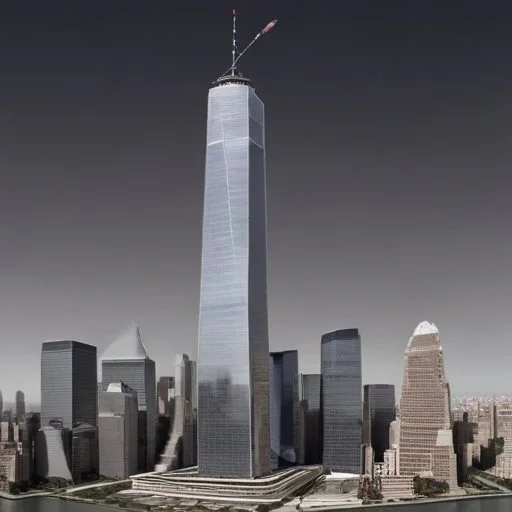
On that crisp summer morning, a sea of faces gathered at the World Trade Center site, united in their quest for healing and renewal. The ceremony, attended by esteemed dignitaries, including Governor George Pataki and Mayor Michael Bloomberg, was a testament to the city's unwavering resilience.
The Freedom Tower's innovative design was the brainchild of the renowned architecture firm Skidmore, Owings & Merrill (SOM). Led by Principal Architect David Childs, the team envisioned a soaring skyscraper that would not only pay homage to the original Twin Towers but also symbolize the indomitable American spirit.
The Freedom Tower's design is a masterclass in symbolism, with every element carefully crafted to evoke feelings of unity, freedom, and hope. The tower's sleek, angular structure rises from a square base, representing the strength and resilience of the American people. The observation deck, situated on the 102nd floor, offers breathtaking views of the Manhattan skyline, serving as a poignant reminder of the city's unwavering spirit.
The Freedom Tower has become an instant cultural icon, featuring prominently in films, literature, and art. Its presence has also sparked a renewed sense of community, with the surrounding area transformed into a vibrant hub of activity.
"Today, we take a major step forward in the rebuilding of the World Trade Center site... This tower will be a beacon of freedom, a symbol of our nation's strength and resilience." - Governor George Pataki
The Freedom Tower's cornerstone laying ceremony marked a watershed moment in New York City's history, signaling the beginning of a new era of progress and renewal. As the tower continues to soar into the Manhattan sky, it stands as a testament to the unwavering human spirit, a shining beacon of hope and freedom.
The Freedom Tower's construction had a significant impact on the local economy, with an estimated $3.8 billion invested in the project. This investment led to the creation of thousands of jobs, both during the construction phase and in the years following the tower's completion.
In addition to the direct economic benefits, the Freedom Tower has also contributed to the revitalization of Lower Manhattan, making the area more attractive to businesses and tourists alike. The tower's presence has led to increased property values, and the surrounding area has seen a surge in new developments and infrastructure projects.

The Freedom Tower's design and construction were influenced by a range of philosophical and ideological ideals. The tower's sleek, modern design was seen as a symbol of American progress and innovation, while its imposing height and sturdy construction were meant to evoke feelings of strength and resilience.
The tower's designers also drew inspiration from democratic values, incorporating elements such as transparency and openness into the building's design. The tower's observation deck, which offers stunning views of the city, was intended to be a symbol of democratic access and freedom.
The Freedom Tower has had a profound impact on popular culture, featuring prominently in films, literature, and art. The tower's iconic design has made it a favorite among architects, photographers, and artists, who see it as a symbol of modernity and progress.
The tower has also been the subject of numerous works of fiction, including novels, poems, and songs. Its presence has become synonymous with New York City, and it is often used as a symbol of the city's energy, diversity, and creativity.

The Freedom Tower's construction was influenced by a range of geopolitical factors, including the War on Terror and the global economic downturn of the late 2000s. The tower's design was intended to be a symbol of American strength and resilience in the face of adversity, and its construction was seen as a way to demonstrate the country's ability to rebuild and recover in the aftermath of tragedy.
The tower's presence has also had an impact on global politics, serving as a symbol of American power and influence. The tower has been the subject of numerous diplomatic visits and state functions, and it has become an important symbol of American diplomacy and international relations.
David Childs, the principal architect behind the Freedom Tower's design, is a renowned expert in skyscraper design and urban planning. With a career spanning over four decades, Childs has worked on some of the world's most iconic buildings, including the Willis Tower in Chicago and the Time Warner Center in New York City.
Childs' vision for the Freedom Tower was to create a building that would be both a symbol of American strength and a functional, efficient workspace. He drew inspiration from the original World Trade Center, as well as from iconic American landmarks such as the Statue of Liberty and the Empire State Building.