


In the sweltering heat of September 1969, a group of Libyan army officers, led by the enigmatic Muammar Gaddafi, staged a daring coup that would forever change the landscape of Libya. The swift and largely unopposed revolution marked the end of the Libyan monarchy, as King Idris was overthrown, and Gaddafi's regime took control of the government and key military installations.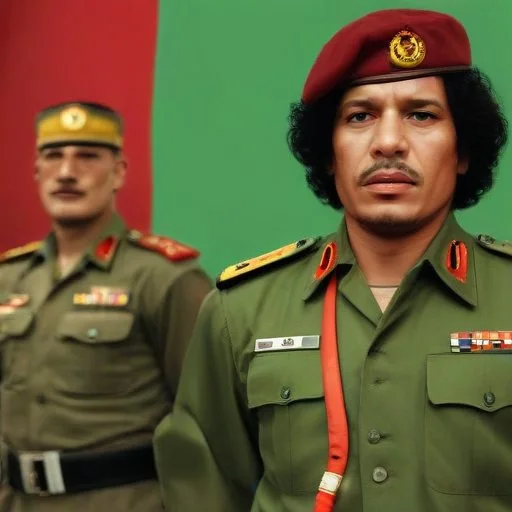
Libya, a country rich in oil reserves and strategically located on the Mediterranean coast, had long been a pawn in the game of colonial powers. Following World War II, Libya gained independence from Italy in 1951, with King Idris at the helm. However, the country was plagued by corruption, incompetence, and a lack of economic development.
The Rise of Gaddafi
Muammar Gaddafi, a charismatic and ambitious 27-year-old army officer, emerged as a leader among the Libyan army. He was driven by a strong sense of nationalism, anticolonialism, and a desire to modernize and Arabize Libya. Gaddafi's vision resonated with the Libyan people, who were disillusioned with the monarchy and eager for change.
September 1, 1969: Gaddafi and his loyalists begin mobilizing troops and resources for the impending coup.
September 4, 1969: The Libyan Revolutionary Command Council, led by Gaddafi, announces the overthrow of King Idris and the establishment of a new government.
September 5, 1969: Gaddafi's forces take control of key military and government installations, marking the end of the Libyan monarchy.
The bloodless coup marked the beginning of a new era for Libya, as Gaddafi's regime set out to modernize and Arabize the country. The coup also had far-reaching consequences for the Arab world, as Gaddafi's regime became a beacon of hope for nationalist and anticolonial movements across the region.
Gaddafi's regime implemented a range of policies aimed at promoting Arabization and Islamization in Libya. The government encouraged the adoption of Arabic as the primary language, and Islamic law was incorporated into the country's legal system. These policies had a profound impact on Libyan culture and society, as the country began to assert its Arab identity.
Gaddafi's regime was marked by controversy and a cult of personality. The Libyan leader was known for his eccentric behavior, flamboyant style, and repressive policies. Despite this, Gaddafi remained a popular figure among many Libyans, who saw him as a champion of Arab nationalism and a symbol of resistance against Western imperialism.
Quotes and Memorable Sayings
"I am not a dictator, I am a revolutionary."
"The Libyan people are free, and Libya is free."
The Libyan coup was part of a broader trend of Arab nationalist and anticolonial movements that swept across the Middle East in the 1950s and 1960s. The coup drew parallels with other events, such as the Egyptian Revolution of 1952, and the Algerian War of Independence, as Arab nations sought to assert their independence and sovereignty.
The Legacy of the Libyan Coup
The bloodless coup that brought Muammar Gaddafi to power in 1969 marked a turning point in Libyan history. The event had far-reaching consequences for the Arab world, as Gaddafi's regime became a beacon of hope for nationalist and anticolonial movements across the region. Today, the Libyan coup remains an important chapter in the history of the Arab world, as nations continue to grapple with the complexities of independence, identity, and modernization.
The Libyan coup of 1969 took place against the backdrop of a volatile Middle East, where anti-colonial and nationalist movements were on the rise. The region was still reeling from the aftermath of the Arab-Israeli War of 1967, and the Cold War rivalry between the United States and the Soviet Union was casting a long shadow over the region.
In this context, Gaddafi's emergence as a powerful figure in Libyan politics was closely watched by regional powers, who were keenly aware of the country's strategic importance and vast oil reserves. The coup marked a significant shift in the regional balance of power, as Libya began to assert its independence and sovereignty in the face of Western influence.

Omar Meheishi was a senior army officer and one of Gaddafi's closest allies in the Libyan Revolutionary Command Council. Born in 1935, Meheishi hailed from a prominent Libyan family and was educated at the Libyan Military Academy.
A staunch nationalist and Arabist, Meheishi was deeply influenced by the ideals of the Egyptian Revolution and saw Gaddafi as a natural leader who could bring about radical change in Libya. He played a crucial role in planning and executing the 1969 coup, and remained a key figure in Gaddafi's regime until his death in 1982.
The Libyan coup of 1969 marked a significant turning point in the country's cultural and social landscape. Gaddafi's regime embarked on a program of Arabization and Islamization, aimed at reviving Libyan identity and purging Western cultural influence.
This program saw the promotion of Arabic as the primary language, the incorporation of Islamic law into the legal system, and the encouragement of traditional Libyan customs and practices. The regime also invested heavily in education and cultural institutions, aiming to foster a sense of national pride and identity among the Libyan people.
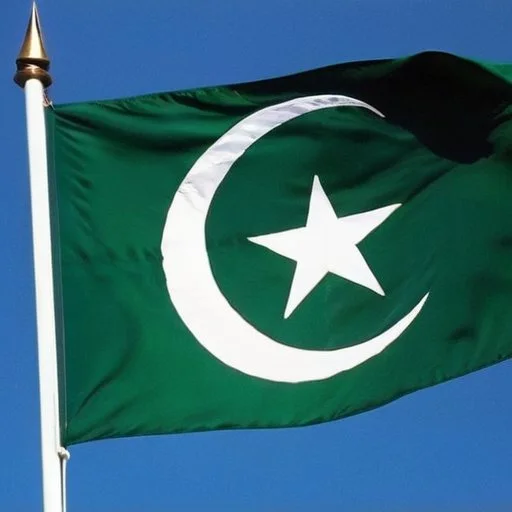
Gaddafi's regime was driven by a unique ideological vision, which he termed the Third Universal Theory. This philosophy blended elements of socialism, Arab nationalism, and Islamic thought, and aimed to provide a revolutionary alternative to capitalism and communism.
The Third Universal Theory was outlined in Gaddafi's famous Green Book, which became a sacred text of the Libyan revolution. The ideology emphasized the role of the masses in shaping their own destiny, and advocated for a decentralized system of government and economy.
The Libyan coup of 1969 had a profound impact on the country's economy, particularly in the oil sector. Gaddafi's regime nationalized the oil industry, which had previously been dominated by foreign companies.
This move gave Libya greater control over its natural resources and allowed the country to reap greater benefits from its oil exports. The regime invested heavily in oil infrastructure, and production levels soared in the 1970s. The oil boom enabled Gaddafi to fund his ambitious development projects and to assert Libya's independence in the global economy.