


The Crown Heights riot, a three-day period of violence and unrest, is infamous for exposing deep-seated racial tensions between the Jewish and African American communities in Brooklyn's Crown Heights neighborhood. This tumultuous event, which occurred in August 1991, left an indelible mark on the city's social fabric, highlighting the need for greater understanding and cooperation between different cultural groups.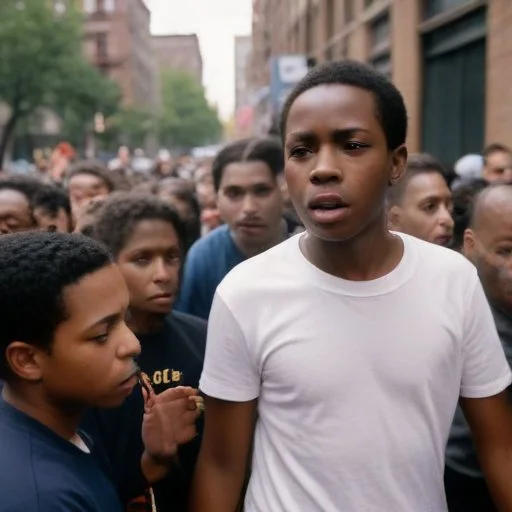
The Crown Heights neighborhood, with its rich cultural diversity, had long been a melting pot of Jewish, African American, and Caribbean communities. However, beneath the surface, tensions had been simmering for years, fueled by socioeconomic disparities, cultural differences, and a sense of mistrust. The summer of 1991 was particularly volatile, with rising temperatures and heightened emotions creating a perfect storm of conflict.
The catalyst for the riot was a tragic accident involving a car driven by a Rebbe's driver, which struck another car, killing 7-year-old Gavin Cato and injuring his cousin. This devastating event sparked outrage and grief within the African American community, which had long felt marginalized and disenfranchised.
As news of the accident spread, protests and demonstrations erupted, with chants of "Jews, Jews, Jews" and "Kill the Jews" echoing through the streets. The situation quickly spiralled out of control, with rioters clashing with police, looting stores, and attacking innocent bystanders. The police, struggling to contain the mayhem, were met with resistance and aggression, resulting in 152 officers injured and 140 people arrested.
In the aftermath of the riot, community leaders from both sides worked tirelessly to restore peace and promote healing. Rabbi Menachem Mendel Schneerson, the revered leader of the Lubavitch Hasidic movement, played a crucial role in bridging the divide between the Jewish and African American communities. Similarly, African American leaders, such as Rev. Herbert Daughtry, worked to calm tensions and promote dialogue.
The Crown Heights riot served as a stark reminder of the need for greater understanding, empathy, and cooperation between different cultural groups. While the event sparked a renewed focus on community building and interracial dialogue, it also highlighted the persistence of systemic racism and inequality. Today, the legacy of the Crown Heights riot continues to resonate, serving as a poignant reminder of the importance of fostering tolerance, empathy, and mutual respect.
As I reflect on the Crown Heights riot, I am reminded of the power of human connection and the need for collective responsibility. This devastating event serves as a stark reminder that we, as individuals and as a society, must strive to create a world where every human life is valued and respected. It is our collective duty to work towards a future where such tragedies are never forgotten, but instead, serve as a catalyst for positive change.
The Crown Heights riot must be viewed within the broader context of racial and social tensions in the United States during the late 20th century. The event was influenced by a complex interplay of factors, including socioeconomic disparities, cultural differences, and a legacy of systemic racism. Today, the riot serves as a poignant reminder of the need for greater understanding and cooperation between different cultural groups.
Rabbi Schneerson, the revered leader of the Lubavitch Hasidic movement, played a crucial role in bridging the divide between the Jewish and African American communities during the Crown Heights riot. His commitment to interfaith dialogue and his willingness to listen to the concerns of the African American community helped to diffuse tensions and promote healing.
Through his leadership, Rabbi Schneerson inspired a new generation of Jewish and African American leaders to work together towards a common goal of understanding and respect. His legacy continues to inspire efforts towards racial harmony and social justice.
The Crown Heights riot marked a turning point in the cultural landscape of Brooklyn, highlighting the deep-seated racial tensions that had been simmering beneath the surface. The event sparked a renewed focus on community building and interracial dialogue, with artists, musicians, and writers from diverse backgrounds coming together to promote healing and understanding.
The riot also inspired a new wave of cultural expression, with works of art, literature, and music reflecting the pain, anger, and hope of the African American and Jewish communities. Today, the Crown Heights riot serves as a testament to the power of culture to bring people together and promote social change.
The Crown Heights riot was not an isolated incident, but rather the culmination of decades of racial tension and socioeconomic disparities in the neighborhood. The area had a long history of racial segregation, with African Americans and Jews living in separate enclaves, perpetuating stereotypes and mistrust.
The 1960s and 1970s saw an influx of African American and Caribbean immigrants to Crown Heights, leading to increased competition for housing and resources. This competition sparked tensions between the different communities, laying the groundwork for the riot of 1991.

The Crown Heights riot had a significant economic impact on the neighborhood, with estimates suggesting that damages exceeded $1 million. Many local businesses, particularly those owned by Jewish merchants, were targeted by looters, leading to widespread destruction and loss of livelihood.
In the aftermath of the riot, the city invested heavily in community development programs, aimed at promoting economic growth and job creation in the area. These initiatives helped to revitalize the neighborhood, attract new businesses, and create opportunities for residents.
The Crown Heights riot had significant political fallout, with many criticizing the city's handling of the crisis. Mayor David Dinkins, the first African American mayor of New York City, was accused of mishandling the situation, leading to widespread unrest and violence.
The riot also sparked a wider debate about race relations and social justice, with politicians and community leaders calling for greater action to address systemic racism and inequality. The event marked a turning point in the city's political landscape, with a renewed focus on community policing and racial reconciliation.