


On January 1, 1990, David Dinkins made history by becoming the first African American mayor of New York City, marking a triumphant milestone in the nation's quest for diversity and inclusivity. This significant achievement resonated deeply with New Yorkers, who welcomed a new era of racial harmony and social justice in the city's leadership.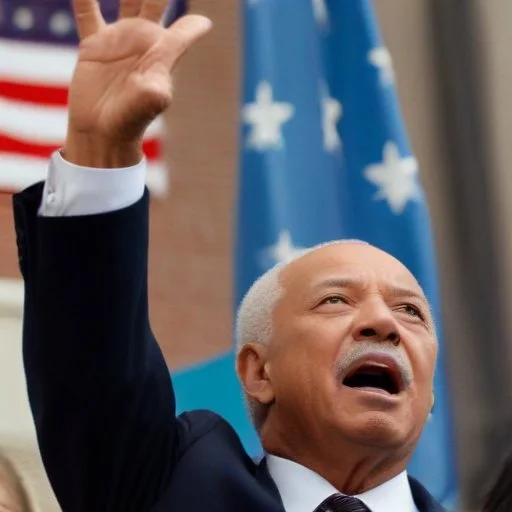
During the 1980s, New York City faced significant challenges, including rising crime rates, poverty, and decaying infrastructure. The city's residents were desperate for a change, and David Dinkins' campaign promised a fresh approach to governance, emphasizing unity and social justice.
Dinkins, a Harlem native and son of a domestic worker, had a long and distinguished career in public service. He served as a state assemblyman, city clerk, and Manhattan borough president before running for mayor. His campaign, centered around the theme of a "Gorgeous Mosaic," appealed to New Yorkers from diverse backgrounds.
As mayor, Dinkins sought to address the city's pressing issues, including:
Dinkins' vision for a more inclusive and harmonious city resonated with residents, who saw him as a beacon of hope for a brighter future.
During his tenure, Dinkins implemented several key initiatives, including:
These efforts helped to revitalize the city, fostering a sense of community and hope for the future.
David Dinkins' election and tenure as mayor had a profound impact on American politics and society. His legacy continues to inspire future generations of leaders and citizens, serving as a testament to the power of diversity and inclusion.
"I want this city to be a place where people can live together, work together, and be proud to be New Yorkers."
– David Dinkins, 1990
As the 20th century drew to a close, David Dinkins' election as New York City's first African American mayor marked a triumphant finale to a century of struggle and progress. His vision for a Gorgeous Mosaic continues to inspire, reminding us that together, we can build a brighter, more inclusive future for all.
David Dinkins' Early Life and Education
David Dinkins was born on July 10, 1927, in Trenton, New Jersey, to Williomenia and Samuel Dinkins. His family moved to Harlem, New York, when he was six years old. Dinkins' parents instilled in him the importance of education, and he attended Harlem's P.S. 125 and then Junior High School 136.
Dinkins went on to attend Howard University in Washington, D.C., where he earned a degree in mathematics in 1950. After serving in the United States Marine Corps, he attended Brooklyn Law School, graduating in 1956. He was admitted to the New York State Bar in 1957.

The Cultural Significance of Dinkins' Election
David Dinkins' election as New York City's first African American mayor marked a significant cultural milestone, symbolizing a shift in the city's power dynamics and challenging traditional racial hierarchies.
Dinkins' "Gorgeous Mosaic" campaign resonated with New Yorkers from diverse backgrounds, who saw him as a unifying figure capable of bridging the city's racial and ethnic divides.
Dinkins' Political Style and Philosophy
David Dinkins' political style was characterized by his ability to build coalitions and find common ground among disparate groups. He was known for his conciliatory approach, which often involved negotiating with city officials, community leaders, and other stakeholders.
At the heart of Dinkins' political philosophy was a commitment to social justice and equality. He believed in the importance of addressing the root causes of poverty, crime, and inequality, and his policies reflected a desire to create a more just and equitable society.

The Economic Impact of Dinkins' Mayoralty
During his tenure as mayor, Dinkins focused on revitalizing the city's economy, which had been struggling in the late 1980s. He implemented a range of initiatives aimed at stimulating economic growth, including tax incentives for businesses and investments in infrastructure development.
One of Dinkins' most notable achievements was the creation of the New York City Economic Development Corporation, which aimed to promote economic growth and job creation throughout the city.
The Social Change Dynamics of Dinkins' Election
David Dinkins' election as New York City's first African American mayor was a significant moment in the city's social and political history, marking a shift in the balance of power and challenging traditional social norms.
Dinkins' election was also a testament to the growing political power and influence of African Americans in New York City, reflecting a broader trend of increasing political mobilization and activism within the community.