


The Shaanxi earthquake, also known as the Hua County earthquake, is etched in history as the deadliest earthquake of all time, claiming a staggering 830,000 lives in a single day. This catastrophic event, which struck Shaanxi province, China, in 1556, left an indelible mark on the landscape, forever altering the fate of the region and its inhabitants.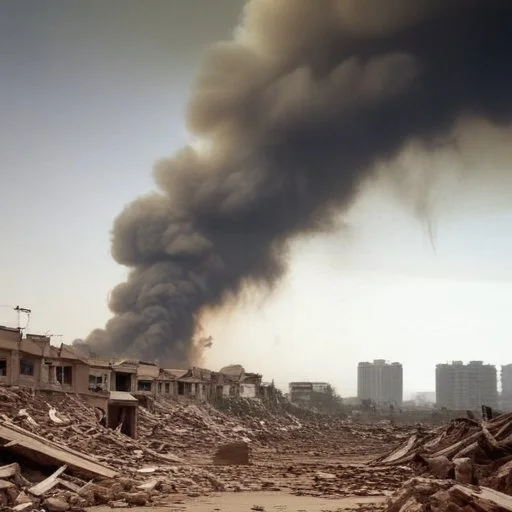
Shaanxi province, situated in the heart of China, has a long history of seismic activity. The region lies at the intersection of the Eurasian and Indian tectonic plates, making it prone to devastating earthquakes. In the centuries leading up to the Shaanxi earthquake, the region had experienced several significant tremors, but none had prepared the people for the unprecedented disaster that was to come.
January 23, 1556, was a typical winter morning in Shaanxi province. The people of the region went about their daily routines, unaware of the impending doom that lurked beneath their feet. At around 4:00 am, the earth's crust ruptured, unleashing a massive earthquake that would change the course of history. The quake's epicenter was located in the Hua County, and its impact was felt across the entire province.
The Shaanxi earthquake was a disaster of unprecedented proportions. The quake's massive shockwaves leveled entire cities and towns, reducing them to rubble. The once-thriving regions of Huaxian, Weinan, and Tongchuan were among the worst affected, with entire populations wiped out in an instant. The earthquake also triggered landslides, floods, and fires, further exacerbating the destruction.
The exact death toll from the Shaanxi earthquake remains unknown to this day, but estimates suggest that it could have been as high as 830,000. The sheer scale of the disaster was so immense that it's difficult to comprehend. Entire families were wiped out, leaving behind only ruins and rubble as a testament to their existence.
The aftermath of the earthquake was marked by chaos and confusion. The Chinese government, led by the Ming dynasty, responded quickly, dispatching troops and aid to the affected regions. The government also implemented a series of reforms aimed at rebuilding the region and providing relief to the survivors.
The Shaanxi earthquake had a profound impact on the people of China, shaping their perception of natural disasters and their role in society. The disaster led to significant advances in earthquake-resistant construction, and it spurred the development of early warning systems. The earthquake also had a profound impact on Chinese culture, with many considering it a turning point in their nation's history.
The Shaanxi earthquake stands as a grim reminder of the power of nature. This calamitous event, which shook the very foundations of China, left an indelible mark on history. As we reflect on this disaster, we are reminded of the importance of preparedness, resilience, and compassion in the face of adversity.
The Shaanxi earthquake had a profound impact on Chinese culture, leading to a significant shift in the way people perceived natural disasters. The disaster was seen as a punishment from the gods, and it led to a renewed focus on morality and spirituality.
In the aftermath of the earthquake, there was a surge in the construction of temples and shrines, as people sought to appease the gods and ward off future disasters. The earthquake also led to a greater emphasis on philanthropy and charity, as people came together to support the survivors.
The earthquake also had an impact on Chinese literature and art, with many writers and artists drawing inspiration from the disaster. The earthquake was seen as a symbol of the power of nature, and it led to a greater appreciation for the fragile nature of human existence.

The Shaanxi earthquake was not an isolated event, but rather part of a larger pattern of seismic activity in the region. In the centuries leading up to the earthquake, there were several significant tremors, including a major earthquake in 1303 that had a significant impact on the region.
The earthquake was also part of a larger pattern of natural disasters that affected the region, including floods, droughts, and famines. The combination of these disasters had a devastating impact on the region, leading to widespread poverty and instability.
Despite the challenges posed by the earthquake, the region was able to recover and rebuild, with the Chinese government implementing a series of reforms aimed at reducing the impact of future disasters.
The Shaanxi earthquake had a significant impact on the environment, leading to widespread destruction and chaos. The earthquake triggered landslides and floods, which further exacerbated the destruction.
The earthquake also had a significant impact on the region's ecosystem, leading to the destruction of forests and wildlife habitats. The destruction of crops and livestock led to widespread famine and poverty, which had a lasting impact on the region.

The Shaanxi earthquake had a significant impact on Chinese politics, leading to a shift in power and influence. The earthquake led to a decline in the power of the Ming dynasty, which was seen as unable to respond effectively to the disaster.
The earthquake also led to an increase in the power of local officials, who were seen as more effective in responding to the disaster. The earthquake highlighted the importance of local governance and the need for more decentralized decision-making.
The Shaanxi earthquake led to significant advances in earthquake-resistant construction, as builders and architects sought to develop new techniques and designs that could withstand the power of earthquakes.
The earthquake also led to the development of early warning systems, as scientists sought to understand the underlying causes of earthquakes and develop systems to predict and prepare for them.