


On November 21, 1980, the MGM Grand Hotel in Paradise, Nevada, now known as Bally's Las Vegas, was engulfed in flames, resulting in one of the most devastating disasters in American history. This catastrophic event claimed the lives of 85 people and left over 650 injured, forever etching its mark as the worst disaster in Nevada's history.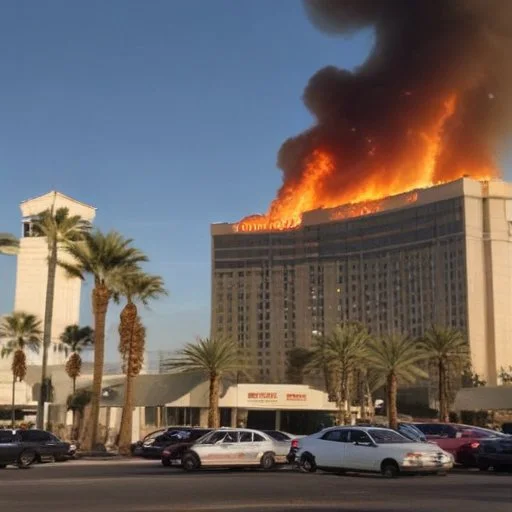
The fire was a perfect combination of unfortunate circumstances, poor design, and inadequate safety measures. It started in the 24-hour deli on the ground floor, fueled by highly flammable materials and inadequate fire safety measures. The initial small blaze quickly escalated into a raging inferno, spreading rapidly throughout the hotel.
Guests and staff scrambled to escape the flames, but many were trapped, unable to flee the rapidly spreading fire. Panic set in as people desperately sought a way out of the burning building. The narrow stairwells and corridors became bottlenecks, making it difficult for people to escape. The scenes of chaos and desperation would haunt the survivors for years to come.
The investigation that followed the tragedy revealed a web of negligence and oversight. The hotel's fire safety measures were deemed grossly inadequate, and the lack of fire alarms, sprinkler systems, and emergency exit signs were major contributors to the high casualty toll. The incident led to a major overhaul of hotel safety regulations, ensuring that such a tragedy would never occur again.
Survivors of the fire recall the terror and panic that gripped them as they fought to escape the burning hotel. Many spoke of the bravery of hotel staff and emergency responders who risked their lives to save others. The stories of heroism and sacrifice that emerged from the tragedy serve as a testament to the human spirit.
The MGM Grand fire served as a wake-up call for the hospitality industry, highlighting the importance of fire safety and emergency preparedness. The incident led to a shift in focus towards fire prevention and mitigation, making hotels and public buildings safer for millions of people around the world.
The tragedy also inspired a new generation of fire safety advocates, who worked tirelessly to promote fire safety awareness and push for stricter safety regulations. The incident serves as a poignant reminder of the importance of prioritizing safety and preparedness, and the devastating consequences of neglecting these critical aspects.
The MGM Grand Hotel fire was a devastating tragedy that will forever be etched in the memories of those affected. However, it also served as a catalyst for change, leading to a safer and more prepared hospitality industry. As we remember the lives lost that fateful night, we also honor the bravery and sacrifices of those who risked everything to save others.
The MGM Grand Hotel fire was a watershed moment in the history of Las Vegas, marking a turning point in the city's development from a small desert oasis to a major tourist destination. Prior to the fire, Las Vegas was still a relatively small town, with a handful of casinos and hotels catering to a mostly local crowd. The construction of the MGM Grand in 1973, with its 2,100 rooms and elaborate amenities, marked a new era of luxury and excess in the city. However, the fire exposed the darker side of this growth, revealing lax safety standards and inadequate emergency procedures.
In the years leading up to the fire, Las Vegas was experiencing rapid growth, with new hotels and casinos springing up along the Strip. The MGM Grand, with its massive size and elaborate decor, was the crown jewel of this new era of luxury. However, the focus on growth and profit led to a neglect of safety standards, with many hotels and casinos cutting corners on fire safety measures to save costs.

The MGM Grand Hotel fire had a profound impact on the cultural landscape of Las Vegas, leading to a re-evaluation of the city's values and priorities. In the aftermath of the tragedy, the city came together to mourn the loss of life and to demand greater accountability from hotel owners and city officials. The fire led to a renewed focus on safety and community, with many hotels and businesses taking steps to improve their emergency procedures and fire safety measures.
The fire also led to a shift in the way Las Vegas was marketed and promoted, with a greater emphasis on safety and responsibility. Gone were the days of flashy advertising and reckless abandon, replaced by a more subdued and mature approach to tourism. The city's motto, "What happens in Vegas, stays in Vegas," took on a new meaning in the aftermath of the fire, as the city struggled to come to terms with its darker side.
The MGM Grand Hotel fire led to a major overhaul of fire safety technology, with many hotels and businesses investing in new systems and equipment to prevent similar tragedies in the future. The incident highlighted the need for more advanced fire detection and suppression systems, as well as better emergency response plans.
In the years following the fire, many hotels and casinos adopted new technologies, such as advanced smoke detection systems and sprinkler systems, to reduce the risk of fires. The incident also led to the development of new fire safety standards and regulations, including the National Fire Protection Association's (NFPA) 101 Life Safety Code.

The MGM Grand Hotel fire had a significant economic impact on the city of Las Vegas, with many businesses and hotels suffering losses in the aftermath of the tragedy. The fire led to a decline in tourism, as visitors stayed away from the city in the months following the tragedy. Many hotels and casinos were forced to shut down temporarily, leading to significant losses in revenue.
However, the fire also led to a period of rebuilding and renewal, as the city invested in new safety measures and emergency procedures. Many hotels and businesses took the opportunity to upgrade their facilities and improve their fire safety measures, leading to a more resilient and sustainable tourism industry in the long run.
Roland Lindstrom, a former MGM Grand Hotel employee, was one of the heroes of the 1980 fire. Lindstrom, a 35-year-old bartender at the time, risked his life to rescue guests from the burning hotel, using his knowledge of the building's layout to navigate the smoke-filled corridors.
Lindstrom's bravery that night earned him widespread recognition, including the National heroic Act Award from the National Safety Council. His selfless actions inspired many others to follow in his footsteps, and he became a symbol of hope and resilience in the aftermath of the tragedy.