


In a solemn and historic ceremony, the Accession Council gathered at St James's Palace to proclaim King Charles III as the monarch of the United Kingdom, marking the end of an era and the beginning of a new chapter in the British monarchy.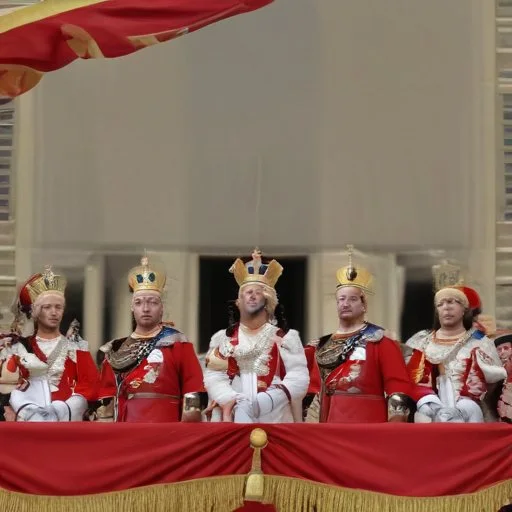
This momentous occasion, steeped in tradition and pageantry, was a poignant tribute to the late Queen Elizabeth II, whose passing brought an end to a remarkable reign that spanned over seven decades.
The Accession Council, a centuries-old tradition, was convened in the opulent State Apartments of St James's Palace. This ancient ritual, dating back to the 16th century, brought together a distinguished assembly of senior government officials, high-ranking clergy, and esteemed members of the royal household.
The Council's primary function was to confirm Charles's ascension to the throne, a formal declaration that would reverberate throughout the realm, proclaiming the new monarch to the world.
The Accession Council was attended by an illustrious gathering of dignitaries, including:
The Accession Council meeting was a carefully choreographed affair, with every detail meticulously planned and executed. The sequence of events unfolded as follows:
The proclamation of King Charles III marked a significant turning point in British history, heralding a new era for the monarchy. The outcome of this historic event will have far-reaching consequences, including:
The accession of King Charles III is not only a significant event in British politics but also a cultural phenomenon, with far-reaching implications for the nation's identity and values. The monarchy's role in shaping British culture and society will be re-examined, and the new monarch's vision for the institution will be closely watched.
In the words of King Charles III, "I am deeply aware of the responsibility that has been placed upon me, and I will strive to serve the people of the United Kingdom with dedication and wisdom."
As the United Kingdom enters a new era under the reign of King Charles III, the nation looks to the future with a mix of excitement and trepidation. The Accession Council's historic meeting at St James's Palace marked the beginning of a new chapter in the British monarchy's long and storied history, one that will be shaped by the vision and leadership of its new monarch.
King Charles III, formerly the Prince of Wales, is the eldest son of the late Queen Elizabeth II and Prince Philip, Duke of Edinburgh. Born on November 14, 1948, Charles has spent his entire life preparing to take the throne.
Throughout his life, Charles has been dedicated to philanthropic work, focusing on issues such as education, environmental conservation, and social justice. He has also been a strong advocate for traditional architecture and the preservation of historic buildings.
As the new monarch, King Charles III brings a unique perspective to the throne, shaped by his experiences as a naval officer, a philanthropist, and a family man.

In comparison to his predecessors, King Charles III is poised to bring a distinct style of leadership to the throne. While Queen Elizabeth II was known for her stoic dedication to duty, Charles has been more outspoken on various issues, including environmental sustainability and social inequality.
Like his mother, Charles has a deep understanding of the Commonwealth, having traveled extensively throughout his life. However, he is also likely to bring a more modern approach to the monarchy, engaging with the public through social media and other digital platforms.
As the first monarch to take the throne in the 21st century, Charles will face unique challenges, from navigating the complexities of modern politics to adapting to the ever-changing role of the monarchy in British society.
The British monarchy has long played a significant role in shaping the nation's culture and identity. From the pomp and ceremony of state occasions to the quiet dignity of private engagements, the monarchy has been a constant presence in British life.
The accession of King Charles III marks a new chapter in this ongoing narrative, as the nation looks to its monarch for guidance and inspiration. The new king's vision for the monarchy will have far-reaching implications for British culture, influencing everything from art and architecture to literature and music.
As the monarchy continues to evolve, it remains a powerful symbol of British heritage, connecting the nation to its rich history and cultural traditions.

The British monarchy has undergone significant transformations throughout its long history, from the absolute power of medieval kings to the constitutional monarchy of today.
The modern monarchy, with its focus on ceremonial duties and symbolic leadership, is a relatively recent development. The late Queen Elizabeth II played a significant role in shaping this new role, using her position to promote national unity and stability.
As King Charles III takes the throne, he inherits a monarchy that is both steeped in tradition and poised for change, reflecting the shifting values and expectations of modern British society.
The accession of King Charles III comes at a time of significant geopolitical change, with the United Kingdom navigating the complexities of Brexit and its relationships with European neighbors.
As the new monarch, Charles will play a key role in promoting British interests abroad, using his position to foster diplomatic relationships and promote international cooperation.
In an increasingly interconnected world, the British monarchy remains a powerful symbol of national identity and a potent diplomatic tool, allowing the United Kingdom to engage with other nations on a unique level.