


The Deportation of Crimean Tatars by the Soviet Union is infamous for being one of the most brutal and meticulously planned operations in modern history, leading to the forced relocation of approximately 200,000 Tatars from their ancestral homeland in Crimea. This sinister act, carried out by Soviet dictator Joseph Stalin, marked a devastating turning point in the lives of the Crimean Tatar people, leaving behind a legacy of trauma, loss, and struggle for survival.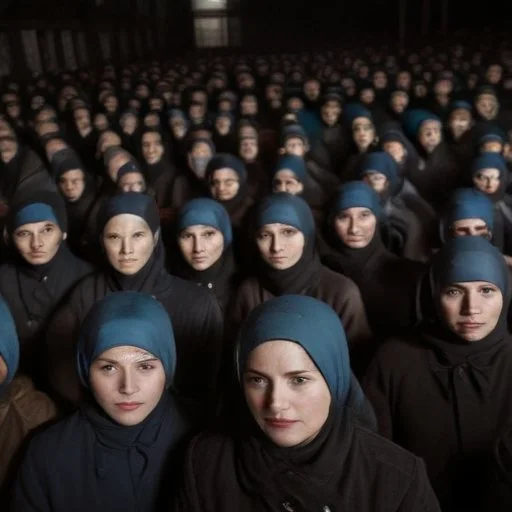
In the early 20th century, Crimea was a significant hub for the Crimean Tatar people, who had inhabited the region for centuries. The Tatars, a Turkic ethnic group, had a distinct culture, language, and identity, which was often at odds with the Soviet Union's centralist policies. As the Soviet Union expanded its borders, the Tatars' independence and autonomy were gradually eroded, paving the way for the devastating events that would unfold.
On the night of May 18, 1944, the lives of Crimean Tatars were forever changed. Without warning, Soviet troops and NKVD secret police descended upon Tatar villages, forcibly rounding up families and loading them onto cattle trains. The deportation was swift and merciless, with entire communities being uprooted in a matter of hours. The operation was so well-planned that even the Tatar leadership, including prominent figures like Mustafa Edige Kirimal, were caught off guard.
Here is a brief timeline of the deportation operation:
The deportation of Crimean Tatars had far-reaching consequences, including:
The deportation of Crimean Tatars had a profound impact on the community's cultural and social fabric:
The deportation of Crimean Tatars remains a controversial topic, with ongoing debates about its historical significance and political implications:
In conclusion, the deportation of Crimean Tatars by the Soviet Union remains a dark chapter in modern history, serving as a poignant reminder of the devastating consequences of political repression and ethnic cleansing. Today, the Tatar people continue to fight for their rights, cultural heritage, and autonomy, inspiring a new generation of advocates and scholars to explore this painful yet vital chapter in human history.
The deportation of Crimean Tatars has been the subject of intense historiographical debate, with some scholars arguing that it constitutes a form of genocide, while others have characterized it as a brutal but ultimately pragmatic policy decision. Soviet historians, for instance, have long downplayed the tragedy, portraying it as a necessary measure to ensure national security. More recently, however, a growing chorus of scholars has called for a more nuanced understanding of the event, acknowledging the experiences of victims and the long-term impact on Tatar identity and culture.
Historians have also grappled with the question of Stalin's motivations, with some arguing that the deportation was driven by a desire to crush Tatar nationalism, while others have suggested that it was part of a broader strategy to consolidate Soviet power in the region. Whatever the motivations, the deportation remains a stark reminder of the brutal realities of Soviet rule.

The deportation of Crimean Tatars shares eerie parallels with other instances of ethnic cleansing and forced relocation in modern history. One notable example is the forced relocation of Native Americans in the United States during the 19th century, which like the Tatar deportation, was justified as a necessary measure to protect national security and consolidate state power. Both cases reveal the dark underbelly of nationalist ideologies, which often prioritize the interests of dominant groups over those of marginalized communities.
In both cases, the trauma inflicted on the affected communities has had lasting impacts on their cultural identities and social fabric. However, while the US has made some attempts to acknowledge and redress the injustices suffered by Native Americans, the Soviet Union's role in the Tatar deportation remains largely unacknowledged and unaccounted for.
Mustafa Edige Kirimal, a prominent Crimean Tatar leader, was among the many deported on that fateful night in May 1944. Despite the trauma and hardship he endured, Kirimal went on to become a vocal advocate for Tatar rights and autonomy, working tirelessly to raise awareness about the deportation and its aftermath. His courage and determination inspired a generation of Tatar activists, who continue to fight for their rights and cultural heritage.
Kirimal's story serves as a powerful testament to the resilience of the Tatar people, who despite being subjected to unimaginable suffering, have managed to maintain their cultural identity and community.

The deportation of Crimean Tatars was not an isolated event, but rather part of a broader geopolitical context that had significant implications for the region. In the aftermath of World War II, the Soviet Union sought to consolidate its power in Eastern Europe and the Caucasus, often through brutal means. The deportation was part of a larger strategy to secure Soviet dominance, which involved suppressing dissent and eliminating perceived threats to national security.
The geopolitical context also shed light on the role of international powers, which failed to intervene or condemn the deportation, despite being aware of its brutality. Today, the legacy of the deportation continues to shape regional politics and international relations in the Black Sea region.
The deportation of Crimean Tatars had a profound impact on the community's cultural and social fabric. The destruction of cultural institutions and historical sites, coupled with the forced relocation of people, led to a significant loss of cultural heritage and identity. The Tatar people were forced to adapt to new environments and cultures, often at the expense of their own traditions and practices.
The cultural impact of the deportation was felt for generations to come, as Tatars struggled to maintain their sense of identity and community in the face of overwhelming odds. Today, efforts to preserve and promote Tatar culture, including language, art, and music, remain an important part of the community's fight for recognition and autonomy.