


In the frozen winter of 1940, a small Finnish town called Turenki, nestled in the municipality of Janakkala, became the site of the most devastating train accident in Finnish history. On that fateful night, two trains collided head-on, resulting in an unprecedented 39 fatalities and 69 injuries, leaving an indelible mark on the community.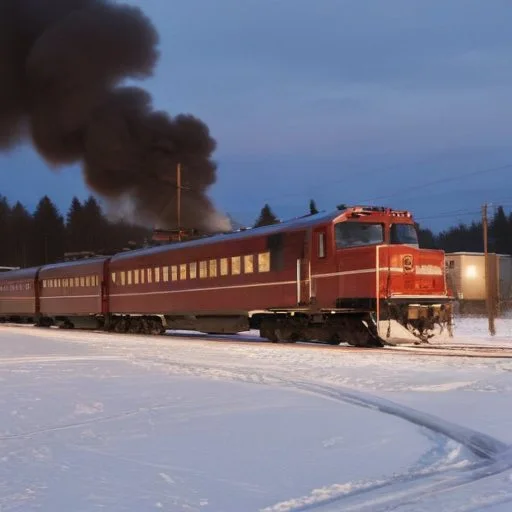
The winter of 1940 was particularly harsh, with thick snowfall and icy winds gripping the region. On the night of March 12, 1940, two trains, one carrying passengers and the other freight, were making their way through the treacherous terrain. The passenger train, bound for Helsinki, was traveling at a moderate speed when it suddenly collided with the freight train, which was stationary on the tracks.
The impact was catastrophic, sending debris flying in all directions. Rescuers arrived on the scene to find a scene of utter chaos and destruction. The crash site was a mess of twisted metal, broken glass, and scattered belongings of the passengers. Emergency services worked tirelessly to extricate the survivors from the wreckage, but it soon became clear that the damage was irreparable.
The official investigation into the accident revealed a series of human errors and systemic failures that led to the disaster. The freight train had stopped on the tracks due to a faulty brake system, and the passenger train had not been alerted to the presence of the stationary train ahead. Additionally, the lack of adequate safety protocols and communication between train operators contributed to the severity of the accident.
The Turenki train tragedy left a lasting impact on Finland's transportation sector. The accident led to a major overhaul of the country's rail safety regulations, including the implementation of automatic braking systems and improved communication protocols. The incident also sparked a national conversation about the importance of investing in infrastructure and prioritizing passenger safety.
In the aftermath of the tragedy, the people of Turenki and surrounding communities came together to mourn the loss of their loved ones. A memorial was erected at the crash site, bearing the names of the victims and serving as a poignant reminder of the devastating consequences of human error. Today, the memorial stands as a testament to the resilience and solidarity of the Finnish people in the face of tragedy.
The Turenki train tragedy serves as a somber reminder of the importance of safety protocols and human responsibility in preventing such disasters. As we reflect on this dark chapter in Finnish history, we are reminded of the need for vigilance and ongoing improvement in our pursuit of a safer, more sustainable future.
The Turenki train tragedy will forever be etched in the collective memory of the Finnish people. As we look back on this dark chapter in our history, we are reminded of the importance of honoring the victims and learning from the past. May their memories serve as a beacon of hope and resilience, guiding us toward a brighter, safer future.
The winter of 1940 was particularly harsh, with temperatures plummeting to as low as -20°C in some areas. The extreme cold and heavy snowfall led to treacherous travel conditions, making it difficult for trains to navigate the tracks. The Finnish railway network, which was already strained due to the ongoing Winter War with the Soviet Union, was further compromised by the severe weather.
In the days leading up to the accident, the railway authorities had issued warnings about the hazardous conditions, urging train operators to exercise extreme caution. However, the combination of human error and systemic failures ultimately led to the tragic collision.
The investigation into the accident revealed that the freight train had stopped on the tracks due to a faulty brake system, which had been malfunctioning for several days prior to the accident. Despite being aware of the issue, the railway authorities had failed to take prompt action to repair or replace the faulty brakes, contributing to the severity of the accident.
Conductor Toivo Antero Lehtonen was at the helm of the passenger train on the fateful night. With over 20 years of experience, Lehtonen was a seasoned conductor who had navigated the treacherous Finnish winter conditions numerous times. Despite his expertise, he was powerless to prevent the tragedy, and the accident would haunt him for the rest of his life.
In the aftermath of the accident, Lehtonen was subjected to intense scrutiny and public criticism. However, the investigation ultimately cleared him of any wrongdoing, and he continued to work for the Finnish railways, dedicating his life to improving safety standards and preventing similar tragedies.
The Turenki train tragedy had a profound impact on Finnish culture, leading to a renewed focus on safety and community solidarity. In the aftermath of the accident, the town of Turenki came together to mourn the loss of their loved ones, and the tragedy brought the community closer together.
The accident also had a profound impact on Finnish literature and art, inspiring works that reflected on the human cost of tragedy and the importance of community resilience. The tragedy also led to a renewed focus on safety in Finnish industry, with the government investing heavily in improving safety standards across all sectors.
The Turenki train tragedy had significant economic implications for Finland, with the loss of life and property valued at millions of Finnish markka. The accident also led to a decline in public confidence in the railway system, resulting in a drop in passenger numbers and revenue.
In the years following the accident, the Finnish government invested heavily in improving railway safety, implementing new safety protocols and upgrading infrastructure. While the short-term economic costs of the accident were significant, the long-term benefits of improved safety standards have contributed to a safer and more reliable transportation network.
The Turenki train tragedy led to a major overhaul of Finland's rail safety regulations, with a focus on implementing advanced technologies to prevent similar accidents. The accident highlighted the need for more reliable and efficient braking systems, leading to the development of automatic braking technologies that would become standard in Finnish railways.
The accident also accelerated the development of communication protocols between trains and railway controllers, reducing the risk of human error and improving response times in emergency situations. The tragedy served as a catalyst for innovation in rail safety, paving the way for a safer and more efficient transportation network.