


On April 7, 1978, President Jimmy Carter made a historic decision that would change the course of nuclear weapons development forever – he canceled the development of the neutron bomb, a weapon designed to kill people while preserving infrastructure. This move was a clear reflection of Carter's commitment to human rights and nuclear disarmament, sparking both praise and criticism from various quarters.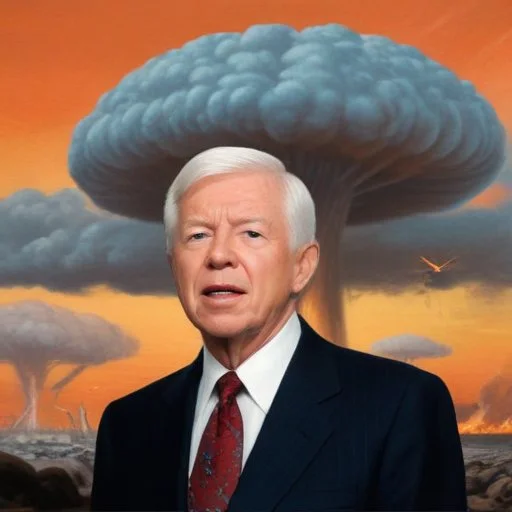
The neutron bomb, also known as the Enhanced Radiation Weapon, was a type of nuclear weapon that would release a large amount of neutron radiation, capable of causing massive human casualties while leaving buildings and infrastructure relatively intact. The idea of such a weapon sparked intense debates about its moral implications, with many calling it an "immoral" and "inhumane" weapon.
The development of the neutron bomb was first proposed in the 1960s, with the aim of creating a weapon that could be used to counter the Soviet Union's perceived military superiority. However, as the project progressed, concerns about the weapon's potential consequences grew. In the mid-1970s, a group of scientists and activists began to speak out against the weapon, citing its potential to cause widespread death and suffering.
In 1977, President Carter, who had campaigned on a platform of nuclear disarmament, announced that he would review the neutron bomb project. After months of deliberation, including consultations with military leaders, scientists, and human rights activists, Carter made the decision to cancel the project.
The cancellation of the neutron bomb project marked a significant shift in the United States' approach to nuclear weapons development. It signaled a move away from the concept of "mutually assured destruction" and towards a more nuanced understanding of the devastating consequences of nuclear war.
Carter's decision was hailed by anti-war activists and human rights groups, who saw it as a major victory in the fight against the proliferation of nuclear weapons. However, it was also criticized by hawks who argued that the weapon was necessary for national security.
The cancellation of the neutron bomb project had far-reaching consequences, both domestically and internationally. It paved the way for future arms control agreements, including the Strategic Arms Reduction Treaty (START) and the Intermediate-Range Nuclear Forces Treaty (INF).
Today, the neutron bomb remains a symbol of the dangers of nuclear proliferation and the importance of ethical considerations in weapon development. As we continue to navigate the complexities of global security, Carter's decision serves as a powerful reminder of the need for moral leadership and a commitment to human rights.
For more information on the neutron bomb and its implications, check out the following resources:
President Jimmy Carter's decision to cancel the neutron bomb project was a reflection of his strong moral compass and commitment to human rights. Throughout his presidency, Carter was guided by a sense of moral leadership, often taking unpopular decisions that aligned with his values.
Carter's moral leadership was shaped by his Christian faith and his experience as a humanitarian. As a young man, he had volunteered with the Habitat for Humanity organization, which instilled in him a sense of social responsibility. As president, he drew on this experience to inform his policy decisions, including his stance on the neutron bomb.

The development and cancellation of the neutron bomb project took place during the height of the Cold War, a period of intense political and military tension between the United States and the Soviet Union.
The Soviet Union's perceived military superiority had led to a renewed focus on nuclear weapons development in the United States, with the neutron bomb seen as a potential game-changer. However, the Carter administration's decision to cancel the project marked a shift in the United States' approach to nuclear weapons, from one of rivalry to one of détente.
The neutron bomb was a type of nuclear weapon that utilized a unique combination of nuclear reactions to produce a high number of neutrons. These neutrons would then cause widespread damage to living tissue, while leaving physical structures intact.
The science behind the neutron bomb was rooted in the discovery of neutron-induced radiation by scientists such as Enrico Fermi and Ernest Lawrence. The development of the bomb required significant advances in nuclear physics, including the creation of high-yield nuclear reactors and the production of fissile materials.
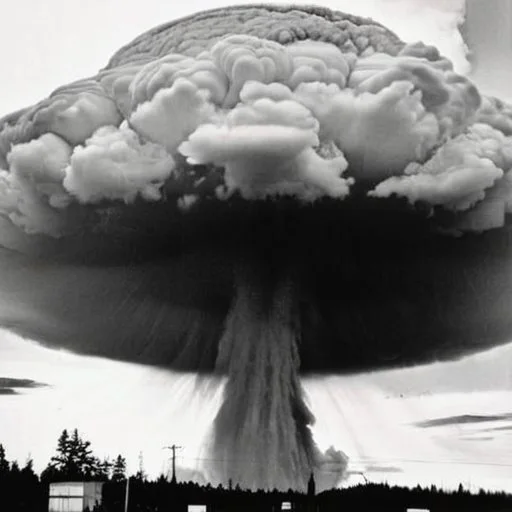
The cancellation of the neutron bomb project was a highly politicized decision that reflected deep divisions within the United States government.
While President Carter and his advisors saw the bomb as a morally reprehensible weapon, many in the military and Congress argued that it was a necessary deterrent against Soviet aggression. The decision sparked intense debate and criticism, with some accusing Carter of being weak on defense.
The neutron bomb has become a cultural symbol of the dangers of nuclear war and the importance of disarmament.
In popular culture, the bomb has been referenced in films, literature, and music, often as a metaphor for the destructive power of nuclear weapons. The bomb's cancellation has also been seen as a beacon of hope for a nuclear-free future, inspiring anti-war activists and disarmament advocates around the world.