


On a crisp winter morning in 1937, the Duke and Duchess of York, Prince Albert and Elizabeth, stood poised to embark on an unprecedented journey, as they were crowned King George VI and Queen Elizabeth of the United Kingdom in an opulent ceremony at Westminster Abbey. This pivotal moment marked the beginning of a remarkable reign that would span nearly two decades, as the humble couple ascended to the highest echelons of British royalty.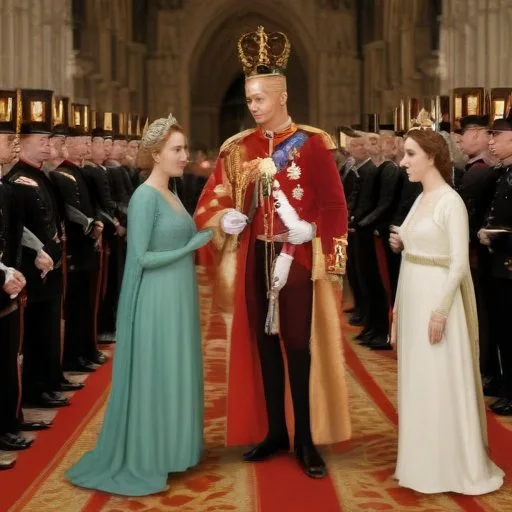
In the wake of King Edward VIII's sudden abdication in December 1936, the British monarchy found itself in uncharted territory. The king's decision to relinquish the throne in favor of marrying American divorcée Wallis Simpson sent shockwaves throughout the nation and beyond. As the crisis unfolded, Prince Albert, the second son of King George V and Queen Mary, reluctantly stepped into the breach, accompanied by his wife, Elizabeth.
The coronation ceremony, scheduled for May 12, 1937, was a majestic display of pomp and circumstance. As the newly minted monarchs processed into Westminster Abbey, they were greeted by the Archbishop of Canterbury, who bestowed the blessings of the Church upon the royal couple. The ceremony was attended by dignitaries from around the world, including European royalty, government officials, and members of the British aristocracy.
As King George VI and Queen Elizabeth, the couple shouldered the weight of responsibility, taking on the burden of leading the United Kingdom through a time of great uncertainty. The looming threat of war in Europe, coupled with the economic woes of the Great Depression, placed immense pressure on the new monarchs.
The coronation marked the beginning of a remarkable partnership between the king and queen, who brought unique strengths to their roles. King George VI, known for his reserved nature, brought a sense of duty and integrity to the throne, while Queen Elizabeth, with her vivacity and charm, captivated the hearts of the British people.
The coronation ceremony served as a powerful symbol of unity, as the nation rallied around its new monarchs. The event was broadcast on radio, allowing the public to participate in the spectacle, and thousands gathered outside the abbey to catch a glimpse of the procession.
The reign of King George VI and Queen Elizabeth would go on to leave an indelible mark on British history. From navigating the complexities of World War II to supporting the welfare state, the couple's dedication to duty and country earned them a special place in the hearts of the British people.
The coronation ceremony had a profound impact on British culture, inspiring a wave of patriotism and national pride. The event was commemorated through coinage, stamps, and souvenirs, while the royal couple's image was splashed across newspapers and magazines.
The legacy of King George VI and Queen Elizabeth continues to reverberate today, serving as a testament to the enduring power of monarchy in British life.
The coronation of King George VI and Queen Elizabeth can be compared to the earlier coronation of King Edward VIII, which was planned but never executed due to his abdication. While both coronations shared similar pomp and circumstance, the tone and atmosphere of the two events differed significantly. King Edward's coronation was expected to be a grand affair, with a focus on his charisma and charm. In contrast, the coronation of King George VI and Queen Elizabeth was more subdued, reflecting the uncertainty and crisis of the time.
Another point of comparison is the role of the queen consort in each coronation. Wallis Simpson, the intended wife of King Edward VIII, was seen as a symbol of modernity and glamour, whereas Queen Elizabeth was viewed as a symbol of tradition and stability.

King George VI was often overshadowed by his more charismatic brother, King Edward VIII. However, he possessed a unique set of qualities that made him well-suited to the role of monarch. His reserved nature and sense of duty gave him a solidity and reliability that inspired confidence in the British people.
Queen Elizabeth, on the other hand, brought a sense of vitality and charm to the monarchy. Her vivacity and warmth helped to captivate the hearts of the British people, earning her the nickname "the people's queen."
The coronation of King George VI and Queen Elizabeth had a profound impact on British culture, inspiring a wave of patriotism and national pride. The event was commemorated through various forms of media, including coinage, stamps, and souvenirs.
The coronation also influenced the arts, with many artists and writers drawing inspiration from the event. The poet John Masefield, for example, wrote a poem in honor of the coronation, which was later set to music and became a popular hymn.

The road to the coronation of King George VI and Queen Elizabeth was paved by a series of unlikely events. The abdication crisis of 1936, sparked by King Edward VIII's decision to marry Wallis Simpson, led to a period of uncertainty and crisis for the British monarchy.
In the aftermath of the abdication, Prince Albert and his wife Elizabeth found themselves thrust into the spotlight, with Prince Albert reluctantly accepting the role of monarch. The couple's journey to the throne was marked by a sense of duty and responsibility, as they worked to restore stability and confidence in the monarchy.
The coronation of King George VI and Queen Elizabeth took place against the backdrop of rising tensions in Europe. The threat of Nazi Germany loomed large, and the British government was working to navigate the complex web of alliances and rivalries that characterized the international landscape.
In this context, the coronation ceremony took on a greater significance, serving as a symbol of British strength and resilience in the face of uncertainty and crisis. The event was attended by dignitaries from around the world, including European royalty and government officials.