


Sri Lanka, a nation known for its resilience and beauty, was left reeling in shock and grief on Easter Sunday, 2019, as a series of coordinated bombings ripped through the country, claiming the lives of at least 269 people and leaving over 500 injured. The attacks, which targeted three churches, four hotels, and a housing complex, were the deadliest acts of terrorism to hit Sri Lanka since the end of the civil war in 2009.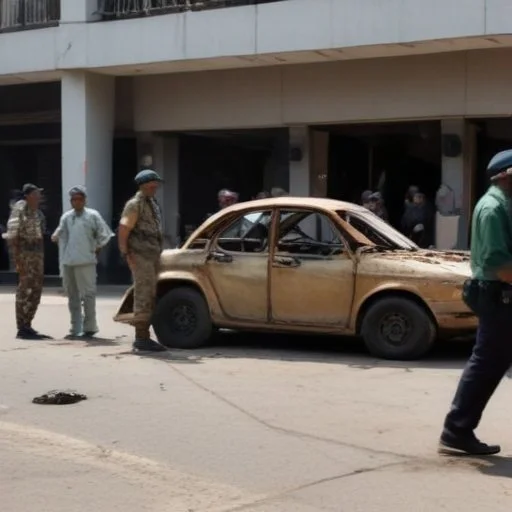
The morning of Easter Sunday, a day meant to symbolize hope and renewal, began like any other in Sri Lanka. Churchgoers gathered at three churches in Negombo, Batticaloa, and Colombo, while tourists and locals alike indulged in breakfast at four luxury hotels in Colombo. But in a span of just 30 minutes, the tranquility was shattered as seven suicide bombers detonated their deadly payloads, unleashing a wave of terror and chaos.
As the dust settled, the true extent of the carnage became evident. The streets were littered with bodies, and the wails of the bereaved filled the air. The government, caught off guard, scrambled to respond to the crisis, imposing a nationwide curfew and blocking social media to prevent the spread of misinformation.
The attacks claimed the lives of at least 269 people, including nearly 40 foreign nationals, with tourists from the United States, United Kingdom, Australia, and other countries among the victims. The bombings also left over 500 people injured, many critically, as they fought for their lives in hospitals across the country.
In the days that followed, Sri Lanka came to a standstill as the nation mourned the loss of so many innocent lives. The government declared a national day of mourning, and flags flew at half-mast as people from all walks of life gathered to pay their respects to the victims.
The attacks sent shockwaves around the world, with leaders from across the globe condemning the senseless violence and offering condolences to the people of Sri Lanka. The international community rallied behind the island nation, offering assistance and support in the aftermath of the tragedy.
The Sri Lankan government launched a swift investigation into the attacks, with the police and military working tirelessly to track down those responsible. The authorities detained several suspects and seized explosives and other materials from various locations across the country.
The Easter Sunday bombings served as a stark reminder of the importance of vigilance and cooperation in the fight against terrorism. The attacks highlighted the need for increased security measures, particularly in places of worship and tourist hotspots, and underscored the importance of international cooperation in combating extremist ideologies.
In the face of unimaginable tragedy, the people of Sri Lanka have shown remarkable resilience and strength. As the nation begins to heal and rebuild, it is clear that the Easter Sunday bombings will not be allowed to define the country's spirit. Instead, they will serve as a reminder of the importance of unity, compassion, and forgiveness.
The Easter Sunday bombings had a profound impact on Sri Lanka's cultural fabric. The attacks on churches, a sacred space for Christians, sent shockwaves through the community, leading to widespread fear and anxiety. In the aftermath, many Sri Lankans came together to show solidarity and support for the victims, with Muslims, Hindus, and Buddhists joining Christians in prayer and mourning. This display of interfaith unity was a testament to the country's rich cultural heritage and its ability to withstand adversity.
The bombings also highlighted the importance of preserving Sri Lanka's cultural diversity. The attacks on tourist hotels, which catered to visitors from around the world, underscored the need to promote cross-cultural understanding and exchange. In the years following the tragedy, Sri Lanka has made efforts to revitalize its tourism industry, with a focus on showcasing its unique cultural practices and traditions to the world.

The Easter Sunday bombings dealt a severe blow to Sri Lanka's economy, which was already facing challenges in the aftermath of the civil war. The attacks led to a significant decline in tourist arrivals, with many countries issuing travel warnings to their citizens. The tourism industry, which accounted for around 5% of the country's GDP, was particularly hard hit, with many hotels and restaurants forced to close their doors.
In the aftermath of the tragedy, the Sri Lankan government implemented a range of measures to mitigate the economic impact, including providing financial assistance to affected businesses and individuals. The government also launched a campaign to revive the tourism industry, highlighting the country's rich cultural heritage and natural beauty.
The Easter Sunday bombings raised important questions about the political landscape of Sri Lanka. The attacks exposed weaknesses in the country's security apparatus, which had been criticized for its failure to act on intelligence warnings prior to the attacks. The government's response to the crisis was also scrutinized, with some critics arguing that it was slow to react and failed to provide adequate support to the victims.
In the aftermath of the tragedy, the Sri Lankan government faced intense political pressure to reform its security structures and prevent future attacks. The country's politicians were forced to put aside their differences and work together to address the crisis, leading to a renewed focus on national security and cooperation.

The Easter Sunday bombings took place against a backdrop of growing geopolitical tensions in the region. The attacks coincided with a rise in extremist ideologies across South Asia, particularly in neighboring India and Pakistan. The bombings highlighted the need for increased regional cooperation to combat terrorism and undermine extremist networks.
The response to the crisis also underscored the importance of global cooperation in the fight against terrorism. International partners, including the United States, the European Union, and Australia, provided significant support to Sri Lanka in the aftermath of the attacks, including financial assistance, technical expertise, and moral support.
Historians and scholars have been grappling with the significance of the Easter Sunday bombings in the context of Sri Lanka's complex history. The attacks, which targeted Christians and foreign nationals, raised important questions about the country's identity and its place in the world.
Some have argued that the bombings marked a turning point in Sri Lanka's history, highlighting the need for greater national unity and reconciliation. Others have seen the attacks as a manifestation of deeper social and economic tensions, which have plagued the country since the end of the civil war. Whatever the interpretation, the Easter Sunday bombings will undoubtedly be remembered as a pivotal moment in Sri Lanka's ongoing struggle for peace and prosperity.