


In the annals of Cold War history, one extraordinary event stands out - the daring escape of eight individuals from communist East Germany to the West using a homemade hot air balloon. This remarkable feat, which took place on September 15, 1979, would become an iconic symbol of freedom and ingenuity, captivating the world's attention.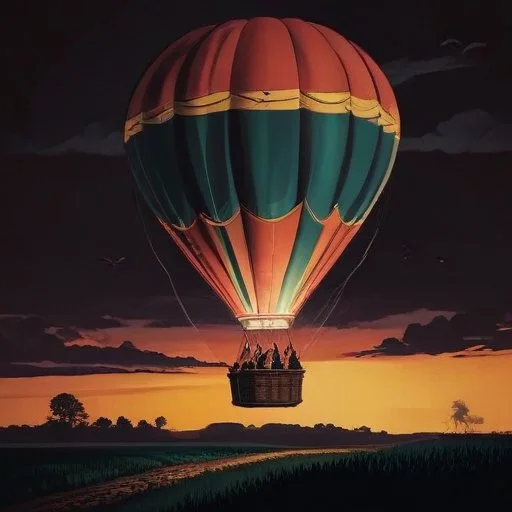
In the post-war era, East Germany was under the grip of Soviet control, with strict measures in place to prevent citizens from fleeing to the West. The Berlin Wall, erected in 1961, had become a powerful symbol of division, and attempts to cross the border were often met with deadly force. Amidst this bleak backdrop, the desire for freedom and a better life drove individuals to devise innovative means of escape.
At the heart of this extraordinary tale were two families - the Krentzes and the Wetzels - who had grown tired of living under the oppressive communist regime. Peter Strelzyk, a 36-year-old engineer, and his friend, Günter Wetzel, a 31-year-old machinist, were the masterminds behind the daring plan. Their wives, Doris and Petra, and their four children, ranging in age from 7 to 15, completed the group of eight.
The homemade hot air balloon, christened the Freiheit Freedom, was a testament to the ingenuity of the escapees. Measuring 120 square meters in size, the balloon was crafted from hundreds of meters of nylon fabric, stitched together by hand. Powered by a burner fueled by propane, the balloon was an unlikely vessel for a high-stakes escape.
Under the cover of darkness, the eight brave souls climbed into their makeshift craft, taking off from a soybean field in East Germany. As they soared above the border, they navigated through turbulence, dodging searchlights and praying their craft would hold. The harrowing 28-minute ride was a rollercoaster of emotions, but ultimately, they touched down safely in West Germany, bringing their remarkable escape to an end.
The Freiheit Freedom escape captured the world's imagination, earning the group international recognition. The East German escapees were hailed as heroes, receiving awards from the West German government and human rights organizations. Their bravery inspired countless others, sparking a wave of similar attempts to flee the communist regime.
The Freiheit Freedom escape sent shockwaves throughout the communist bloc, highlighting the desperation and ingenuity of those seeking freedom. As news of their bravery spread, it emboldened others to attempt similar escapes, weakening the grip of the Soviet regime. This courageous act played a significant role in the eventual fall of the Berlin Wall and the reunification of Germany in 1990.
The Freiheit Freedom escape serves as a powerful reminder of the human spirit's capacity for resilience, innovation, and courage. It demonstrates that even in the darkest of times, individuals can come together to achieve the impossible, inspiring generations to come.
"The impossible is possible, and freedom is worth any risk." - Peter Strelzyk
The story of the Freiheit Freedom serves as a beacon of hope, inspiring us to never give up in the face of adversity and reminding us that, together, we can overcome even the most daunting challenges.
In the years leading up to the Freiheit Freedom escape, the tensions between East and West Germany had reached a boiling point. The construction of the Berlin Wall in 1961 had cemented the division between the two nations, and the Soviet Union's grip on Eastern Europe had tightened.
The Stasi, East Germany's secret police, had become notorious for their ruthless tactics in suppressing dissent and maintaining control over the population. The atmosphere of fear and suspicion had created a sense of desperation among those who yearned for freedom and a better life.
In this context, the idea of escaping to the West seemed like a distant dream, but the bravery and ingenuity of the Freiheit Freedom escapees would soon inspire others to take similar risks.
Peter Strelzyk, the mastermind behind the Freiheit Freedom escape, was a man of unwavering determination and resourcefulness. As an engineer, he had always been fascinated by the potential of hot air balloons, and his skills would prove instrumental in crafting the makeshift vessel.
Günter Wetzel, Strelzyk's friend and co-conspirator, brought his own set of skills to the table as a machinist. Together, the two men formed an unstoppable duo, driven by their desire for freedom and their determination to protect their families.
Doris Strelzyk, Peter's wife, played a crucial role in supporting her husband's daring plan. Her bravery and resilience would be tested during the harrowing escape, but she remained steadfast in her commitment to their shared goal.
The Freiheit Freedom escape had a profound impact on popular culture, inspiring a wave of films, books, and documentaries that celebrated the bravery and ingenuity of the escapees. The 1982 film Night Crossing, starring John Hurt and Beau Bridges, is just one example of how the story has been immortalized on the big screen.
The escape also sparked a renewed interest in the Cold War era, prompting a fresh wave of historical analysis and scholarship. The story has become an integral part of Germany's cultural heritage, serving as a powerful symbol of resistance and defiance in the face of oppression.
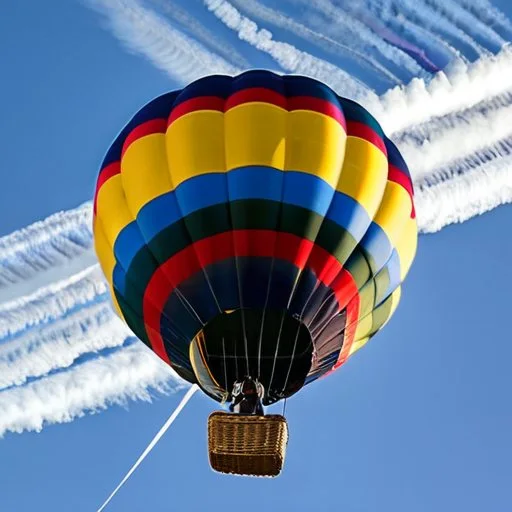
The Freiheit Freedom escape would not have been possible without the innovative use of hot air balloon technology. The makeshift vessel, crafted from nylon fabric and fueled by propane, was a testament to the ingenuity of the escapees.
The successful flight of the Freiheit Freedom marked a significant milestone in the development of hot air balloons, highlighting their potential as a means of escape and inspiring further research into their capabilities.
The Freiheit Freedom escape took place against the backdrop of a rapidly shifting global landscape. The Soviet Union's influence was beginning to wane, and the United States was emerging as a dominant world power.
In this context, the escape served as a powerful symbol of resistance to communist rule, emboldening dissidents and inspiring others to take a stand against oppressive regimes.