


The Bijlmer Air Disaster, also known as the El Al Flight 1862 crash, is one of the most devastating aviation disasters in Dutch history, claiming the lives of 43 people, including 39 innocent civilians on the ground. On that fateful day, October 4, 1992, a Boeing 747 cargo plane, carrying a critical load of flowers to Tel Aviv, crashed into two apartment buildings in the Bijlmermeer neighborhood of Amsterdam, leaving a trail of destruction and despair in its wake.
In the early 1990s, El Al, Israel's national airline, was a prominent player in the global cargo market. With its fleet of Boeing 747s, the airline was responsible for transporting goods to destinations around the world. On October 4, 1992, El Al Flight 1862, registered as 4X-AXG, was preparing to depart from Amsterdam's Schiphol Airport, bound for Tel Aviv's Ben Gurion Airport. The cargo hold was loaded with a perishable cargo of flowers, destined for the Israeli market.
At 6:35 pm local time, El Al Flight 1862 took off from Schiphol Airport's Runway 01, carrying a crew of four and a cargo of over 100,000 kilograms of flowers. Just 10 minutes into the flight, the plane encountered catastrophic engine failure, which led to a loss of altitude and control. The pilots, struggling to regain control, were unable to prevent the plane from crashing into two apartment buildings in the Bijlmermeer neighborhood, approximately 13 kilometers east of the airport.
The crash was met with widespread shock and grief, as responders rushed to the scene to search for survivors. Unfortunately, the impact was so severe that only a few people on the plane survived, and all of them succumbed to their injuries shortly after. The crash also claimed the lives of 39 people on the ground, including many residents of the apartment buildings and nearby houses.
The Dutch Safety Board, assisted by the Israeli and American authorities, launched a comprehensive investigation into the crash. The probe revealed a series of mechanical failures and human errors, including:
The Bijlmer Air Disaster had a profound impact on the aviation industry, leading to a renewed focus on safety and risk management. The crash also had a significant emotional toll on the people of Amsterdam, particularly those living in the Bijlmermeer neighborhood. Today, a memorial plaque stands at the crash site, serving as a poignant reminder of the lives lost and the importance of prioritizing safety in the skies.
In the aftermath of the crash, many residents of the Bijlmermeer neighborhood shared stories of narrow escapes and tragic losses. One survivor, a young boy who was playing in his backyard when the plane crashed, recalled the sound of the engines failing and the feeling of debris raining down around him. Such personal accounts serve as a poignant reminder of the human cost of the disaster.
The Bijlmer Air Disaster was a devastating tragedy that claimed the lives of 43 people and left a lasting impact on the aviation industry. As we reflect on this tragic event, we are reminded of the importance of safety, vigilance, and accountability in preventing such disasters from occurring in the future.
The 1990s were a transformative period for the aviation industry, marked by significant advancements in technology, changes in regulations, and shifting global dynamics. The decade saw the introduction of more efficient and cost-effective aircraft, such as the Boeing 747-400, which became a workhorse for many cargo carriers.
In the early 1990s, the cargo industry was experiencing a surge in demand, driven by the growth of international trade and e-commerce. This led to an increase in the number of cargo flights, with airlines like El Al capitalizing on the trend.
However, the industry was not without its challenges. The 1990s also saw a rise in concerns about aviation safety, with several high-profile accidents highlighting the need for more stringent regulations and improved safety protocols.
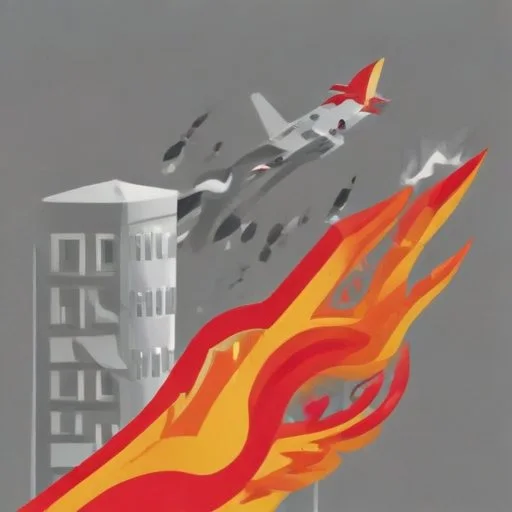
Captain Jacob Weitz was a seasoned pilot with over 10,000 hours of flying experience. Born in 1946, Weitz joined El Al in 1974 and had risen through the ranks to become a captain by the late 1980s.
Weitz was known for his exceptional flying skills and his ability to remain calm under pressure. Colleagues described him as a meticulous and thorough pilot who always put safety first.
On the day of the crash, Weitz was in command of El Al Flight 1862, with First Officer Gideon Ginou as his co-pilot. Despite their best efforts, the two pilots were unable to recover from the engine failure, and the plane crashed into the apartment buildings.
Engine pylons are critical components of an aircraft's design, responsible for supporting the engines and transferring the thrust to the airframe. The Bijlmer Air Disaster highlighted the importance of pylon design and maintenance in ensuring aviation safety.
Investigations revealed that a faulty engine pylon design was a contributing factor to the crash. The pylon's inability to withstand the stresses of flight led to the failure of the No. 3 engine, which ultimately caused the loss of control.
In response to the crash, regulators and manufacturers implemented new design standards and inspection protocols for engine pylons, significantly reducing the risk of similar failures in the future.
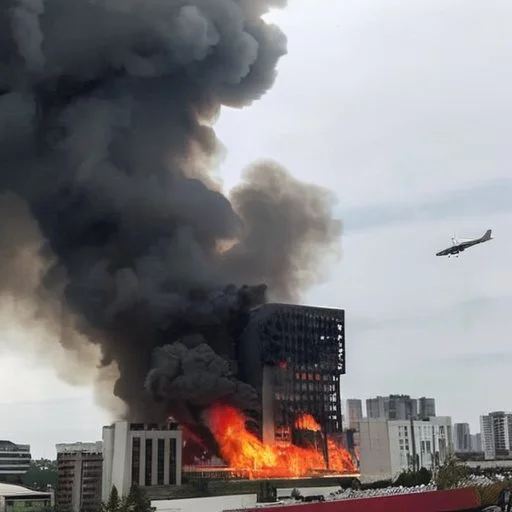
The Bijlmer Air Disaster had a profound cultural impact on the Netherlands, particularly in the Bijlmermeer neighborhood where the crash occurred. The community was left to pick up the pieces and come to terms with the tragedy.
In the aftermath of the crash, a memorial plaque was erected at the crash site, serving as a poignant reminder of the lives lost. The disaster also spurred a renewed sense of community and solidarity among the residents of Bijlmermeer.
The crash also had a significant impact on Dutch society as a whole, leading to a re-evaluation of aviation safety and the implementation of more stringent regulations.
The Bijlmer Air Disaster had significant economic implications for the aviation industry, particularly for El Al and Boeing. The crash led to a downturn in cargo demand, as well as increased scrutiny of the industry's safety practices.
The disaster also had a direct impact on the local economy, with many businesses in the Bijlmermeer neighborhood affected by the crash. The cleanup and reconstruction efforts required significant investment, putting a strain on local resources.
In the long term, the crash led to increased investment in safety protocols and regulations, ultimately making the aviation industry safer and more reliable.