


On January 15, 1991, Queen Elizabeth II, in her capacity as the Queen of Australia, signed letters patent that enabled Australia to establish its own Victoria Cross, a prestigious bravery award, thereby marking a significant milestone in the country's history. This decision made Australia the first Commonwealth realm to have its own Victoria Cross in its honors system, a testament to the nation's growing autonomy and its desire to recognize the valor of its citizens.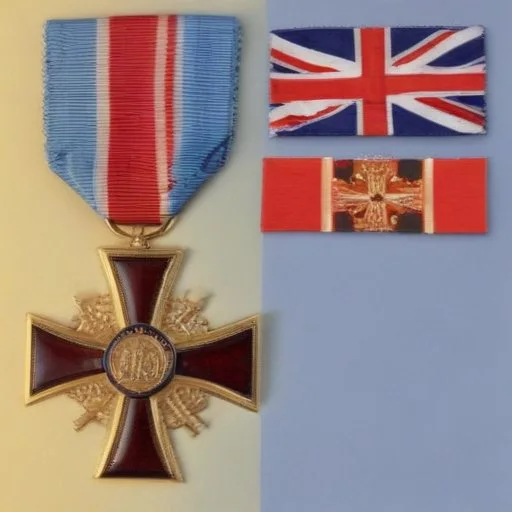
The Victoria Cross, instituted in 1856, is the highest military decoration awarded for valor "in the face of the enemy" to members of the armed forces of various Commonwealth countries, and previous to this event, only the British monarch could award the Cross. This historical context highlights the significance of Queen Elizabeth II's decision, as it deviated from the traditional British-centric approach to honors and recognition.
Besides Queen Elizabeth II, key figures involved in this event included the Australian Prime Minister at the time, Bob Hawke, and the Governor-General, Bill Hayden. Their collective efforts facilitated the implementation of this historic decision, which reinforced Australia's sovereignty and its commitment to recognizing the bravery of its servicemen and women.
This landmark decision had several significant outcomes, including:
This event had a profound impact on Australian culture and society, as it:
While the decision was largely met with praise and admiration, some critics argued that the establishment of an Australian Victoria Cross would dilute the prestige and exclusivity of the British honor. However, this controversy was largely overshadowed by the widespread support for the move, which was seen as a long-overdue recognition of Australia's autonomy and sovereignty.
Queen Elizabeth II's decision set a precedent for other Commonwealth realms to establish their own honors systems, paving the way for a more decentralized approach to recognition and awards. This, in turn, has led to a greater emphasis on national identity and sovereignty within the Commonwealth.
As the Prime Minister of Australia from 1983 to 1991, Bob Hawke played a crucial role in facilitating the country's transition towards independence. His leadership and diplomatic skills were instrumental in convincing Queen Elizabeth II to sign the letters patent, enabling Australia to establish its own Victoria Cross.
Hawke's commitment to Australian sovereignty and his ability to balance the country's relations with the UK laid the groundwork for this historic decision. His involvement in the process highlights the important role of diplomacy and cooperation in shaping national identities.

The establishment of the Australian Victoria Cross had a profound impact on the country's cultural landscape. The award became a powerful symbol of Australian values, such as bravery, sacrifice, and patriotism.
The Cross also served as a unifying force, bridging the gap between military personnel and civilians. Its introduction reinforced the importance of recognizing and honoring the contributions of Australian servicemen and women.
Australian War Memorials and Museums have since featured the Victoria Cross prominently, further solidifying its status as an iconic symbol of Australian culture and heritage.The decision to establish an Australian Victoria Cross was a significant milestone in the country's journey towards independence. The move underscored Australia's desire to assert its autonomy and break away from British dominance.
This development was part of a broader trend, as Australia sought to redefine its relationship with the UK. The country's growing sovereignty was marked by a range of reforms, from the Australia Acts of 1986 to the adoption of its own honors system.
The politics of sovereignty played a crucial role in shaping this narrative, as Australian leaders navigated the complex web of Commonwealth relations to secure their nation's independence.
Instituted in 1856, the Victoria Cross has a rich history dating back to the Crimean War. The award was initially created to recognize acts of bravery during the conflict, with the first Cross being awarded to a British soldier in 1857.
The Victoria Cross gained popularity over the years, becoming the highest military decoration in the British honors system. As the British Empire expanded, the Cross was adopted by various Commonwealth countries, including Australia.
The evolution of the Victoria Cross reflects the changing nature of warfare and the importance of recognizing bravery in the face of adversity.
The decision to establish an Australian Victoria Cross took place against the backdrop of a changing geopolitical landscape. The dissolution of the British Empire and the rise of Commonwealth nations signaled a shift towards greater autonomy and independence.
As Australia asserted its sovereignty, it joined a growing list of Commonwealth countries seeking to redefine their relationships with the UK. This development had significant implications for the Commonwealth as a whole, paving the way for a more decentralized approach to honors and recognition.
The establishment of the Australian Victoria Cross marked a turning point in this process, highlighting the importance of adaptability and cooperation in the face of changing global dynamics.