Emperor Hirohito announces Japan's unconditional surrender
In a stunning turn of events, Emperor Hirohito's broadcast echoed through Japan's radio waves, announcing the nation's unconditional surrender, effectively ending World War II. With this historic declaration, Korea finally broke free from Japan's colonial grip, marking a new era of independence. As the news spread like wildfire, jubilation erupted across the Allied nations, while Japan's people grappled with the devastating consequences of defeat.
Unconditional Surrender: Emperor Hirohito's Broadcast and the Dawn of Korean Independence
A Historic Turn of Events
On August 15, 1945, Emperor Hirohito's voice resonated through Japan's radio waves, as he announced the nation's unconditional surrender, marking the end of World War II. This momentous declaration not only brought an end to the devastating conflict, but also paved the way for Korea's long-awaited independence from the Empire of Japan.
Historical Background
The roots of Korea's colonization date back to the late 19th century, when Japan emerged as a rising power in East Asia. Following the First Sino-Japanese War, Japan annexed Korea in 1910, imposing its own language, culture, and governance on the peninsula. Decades of oppression and resistance ensued, as the Korean people yearned for self-determination.
The Road to Surrender
In the midst of World War II, Japan's military expansionism faced stiff resistance from the Allies. The atomic bombings of Hiroshima and Nagasaki in August 1945 dealt a crushing blow to Japan's war efforts, making surrender an inevitability. As the Soviet Union declared war on Japan on August 8, 1945, the Japanese government realized the futility of continued resistance.
The Broadcast
At noon on August 15, 1945, Emperor Hirohito's voice was broadcast across Japan, announcing the nation's unconditional surrender. The broadcast, known as the "Jewel Voice Broadcast," was a historic moment that brought an end to the war and paved the way for Korea's independence.
Korea's Independence
With Japan's surrender, Korea finally gained independence after decades of colonization. The Korean people, who had long fought for self-determination, rejoiced at the news of their liberation. The August 15th Independence Declaration, issued by the Korean Provisional Government in exile, marked the beginning of a new era for the Korean nation.
Major Outcomes and Impacts
- The end of World War II: Emperor Hirohito's surrender declaration brought an end to the devastating conflict, saving countless lives and preventing further destruction.
- Korea's independence: The declaration of surrender paved the way for Korea's independence, marking a new era of self-determination and national sovereignty.
- Redrawing of the global political landscape: The surrender of Japan and the emergence of the United States and the Soviet Union as superpowers marked a significant shift in the global balance of power.
Cultural and Social Influences
The surrender declaration and Korea's independence had a profound impact on the cultural and social fabric of both nations.
- Reconciliation and forgiveness: The surrender declaration marked a turning point in Japan-Korea relations, as both nations began to reconcile their past and forge a new path forward.
- National identity: Korea's independence sparked a renewed sense of national identity and pride, as the Korean people began to forge their own destiny.
- International cooperation: The end of World War II and Japan's surrender paved the way for increased international cooperation and diplomacy, shaping the modern world order.
Inspirational Stories and Motivations
The surrender declaration and Korea's independence serve as a testament to the power of resilience and determination.
- The Korean people's fight for independence: Despite decades of oppression, the Korean people remained steadfast in their pursuit of self-determination, inspiring generations to come.
- Emperor Hirohito's courage: The Emperor's decision to surrender, despite opposition from hardline militarists, demonstrated courage and a commitment to peace.
- A beacon of hope: The surrender declaration and Korea's independence serve as a beacon of hope for nations and peoples struggling for freedom and self-determination.
Conclusion
Emperor Hirohito's surrender declaration and Korea's independence mark a pivotal moment in world history, shaping the course of international relations, national identity, and human dignity. As we reflect on this momentous event, we are reminded of the importance of peace, reconciliation, and the unyielding pursuit of freedom and self-determination.
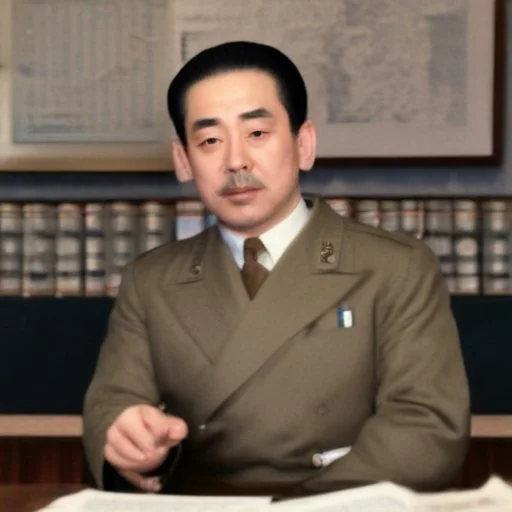
Character Analysis
Emperor Hirohito: A Leader's Transformation
Emperor Hirohito's decision to surrender marked a significant transformation in his leadership and worldview. Initially, Hirohito was a strong supporter of Japan's military expansion, but as the war turned against Japan, he began to realize the devastating consequences of continued resistance.
Hirohito's transformation was likely influenced by the atomic bombings of Hiroshima and Nagasaki, which convinced him of the futility of further resistance. His decision to surrender was a courageous act that went against the wishes of hardline militarists in his government.
Hirohito's leadership during this period has been the subject of much debate among historians. While some view him as a passive figurehead, others see him as a skilled leader who navigated the complexities of Japanese politics to bring an end to the war.

Rich Cultural Review
The Cultural Significance of the "Jewel Voice Broadcast"
The "Jewel Voice Broadcast" was a cultural phenomenon that resonated deeply with the Japanese people. The broadcast was a shocking revelation, as it was the first time the Emperor's voice had been heard by the general public.
The surrender declaration marked a shift in Japan's cultural identity, as the nation began to grapple with its role in the war and its responsibilities towards its victims. The broadcast also marked a turning point in Japan's relations with its Asian neighbors, as the nation began to confront its colonial past.
The "Jewel Voice Broadcast" has been remembered as a symbol of Japan's defeat and its transition to a new era of peace and cooperation. It has also been celebrated as a testament to the power of media in shaping public opinion and influencing historical events.
Thorough Geopolitical Study
The Geopolitical Context of Japan's Surrender
Japan's surrender was influenced by a complex array of geopolitical factors. The Soviet Union's declaration of war on Japan on August 8, 1945, had a profound impact on Japan's decision to surrender.
The United States' atomic bombings of Hiroshima and Nagasaki also played a crucial role in convincing Japan to surrender. The bombings demonstrated the devastating power of American military technology and made it clear that continued resistance would be futile.
The Potsdam Declaration, issued by the Allies on July 26, 1945, also contributed to Japan's surrender. The declaration called for Japan's unconditional surrender and warned of "prompt and utter destruction" if Japan failed to comply.

Historiographical Analysis
Historians' Perspectives on the Surrender Declaration
Historians have long debated the significance of Emperor Hirohito's surrender declaration. Some have viewed it as a necessary evil, recognizing that Japan's continued resistance would have led to further devastation and loss of life.
Others have seen the surrender declaration as a symbol of Japanese weakness and defeat. They argue that Japan's surrender was a betrayal of its military and its people, and that it marked the beginning of a period of national decline.
Despite these varied interpretations, most historians agree that the surrender declaration marked a pivotal moment in Japanese history, one that had far-reaching consequences for the nation and its people.
Artifact Review and Analysis
The "Imperial Rescript on Surrender": A Historical Document
The "Imperial Rescript on Surrender" is a historical document of immense significance. Issued by Emperor Hirohito on August 15, 1945, it marked the formal surrender of Japan to the Allied Powers.
The rescript is a poignant expression of Japan's defeat and its commitment to peace. It acknowledges Japan's responsibility for the war and expresses regret for the suffering and devastation caused by Japanese aggression.
Today, the "Imperial Rescript on Surrender" is remembered as a powerful symbol of Japan's commitment to peace and its determination to learn from its past mistakes.


