


The Krakatoa eruption is renowned for being one of the most powerful volcanic events in recorded history, unleashing four colossal explosions that obliterated the Indonesian island and sent shockwaves around the globe, ultimately altering the planet's climate for years to come. This cataclysmic event is etched in the annals of history as a testament to the awe-inspiring fury of Mother Nature.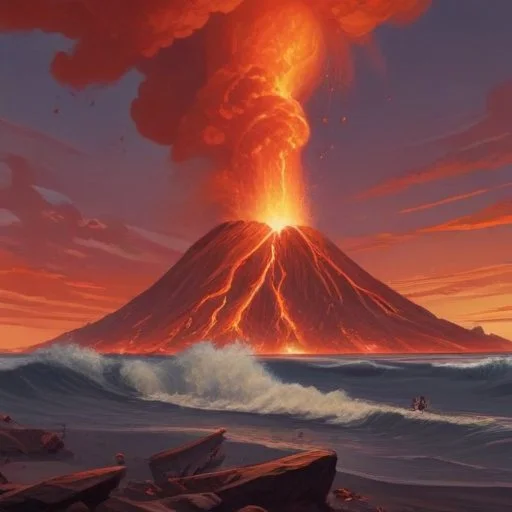
In the late 19th century, the island of Krakatoa, located between Java and Sumatra in Indonesia, was a tranquil and relatively unknown landmass. The island was home to a dormant volcano, which had been inactive for over 200 years. However, beneath the surface, seismic activity was brewing, setting the stage for the impending catastrophe.
At 10:02 AM local time, the Krakatoa volcano awakens from its slumber, unleashing a series of devastating explosions that would change the course of history. The initial blast was so powerful that it could be heard and felt thousands of miles away, triggering a tsunami that would ravage coastal towns and claim thousands of lives.
The immediate effects of the eruption were catastrophic. The massive explosion sent 25 cubic kilometers of rock and debris into the atmosphere, blocking sunlight and painting the skies with vibrant hues of red and orange. The explosion's sonic boom was heard 3,000 miles away, shattering windows and rattling buildings. The resulting tsunamis ravaged coastal towns, leaving destruction and death in their wake.
The Krakatoa eruption had a profound impact on the scientific community, sparking a new era of volcanological research and inquiry. The event prompted scientists to re-examine their understanding of geology, weather patterns, and the interconnectedness of the Earth's systems. The eruption also inspired a new generation of scientists, including the renowned volcanologist, Thomas Jaggar, who would go on to establish the Hawaiian Volcano Observatory.
The Krakatoa eruption had far-reaching consequences, affecting the global climate for years to come. The massive amounts of sulfur dioxide released into the atmosphere caused a global cooling effect, leading to spectacular sunsets and intense winter weather patterns. The eruption also led to the establishment of the first international meteorological organization, aimed at monitoring and understanding global weather patterns.
One of the most compelling accounts of the Krakatoa eruption comes from Captain W.J. Watson, who was sailing on the SS Beravia, 40 miles from the volcano. In his logbook, he wrote: "The noise was like the discharge of a gigantic cannon, and the shock was so severe that it threw everyone off their feet." Watson's account provides a poignant glimpse into the terror and awe inspired by the Krakatoa eruption.
The Krakatoa eruption served as a wake-up call for governments and scientists around the world, highlighting the importance of monitoring and preparing for natural disasters. The event led to the development of early warning systems and emergency response protocols, ultimately saving countless lives in the face of future natural disasters.
The Krakatoa eruption is a testament to the awe-inspiring power of nature, a reminder of the importance of scientific inquiry, and a warning of the devastating consequences of natural disasters. As we continue to explore and understand the complexities of our planet, the legacy of Krakatoa serves as a poignant reminder of the importance of preparedness and respect for the natural world.
The Krakatoa eruption had a profound impact on the cultural landscape of the 19th century. The event sparked a wave of artistic and literary responses, with many writers and artists attempting to capture the magnitude of the disaster. One notable example is the work of the French novelist Jules Verne, who wrote about the eruption in his novel Propeller Island. The eruption also influenced the development of apocalyptic fiction, with many writers drawing inspiration from the devastating consequences of the disaster.
The eruption also had a significant impact on the cultural identity of the Indonesian people. The event was seen as a manifestation of the power of nature and the fragility of human existence. It led to a renewed interest in traditional folklore and mythology, as people sought to understand the significance of the eruption within the context of their cultural heritage.
The Krakatoa eruption also influenced the development of modern music. The event inspired a range of musical compositions, from classical works to popular songs. One notable example is the symphonic poem "Krakatoa" by the Dutch composer Daan Manneke, which premiered in 1886.
The economic impact of the Krakatoa eruption was significant, with the disaster affecting global trade and commerce. The eruption disrupted shipping lanes and damaged ports, leading to a decline in international trade. The resulting economic downturn had a ripple effect on the global economy, leading to a recession in several countries.
The eruption also had a devastating impact on the local economy of Indonesia. The destruction of crops and infrastructure led to widespread poverty and famine. The Indonesian government was forced to implement emergency measures to alleviate the suffering, including providing aid to affected communities and rebuilding damaged infrastructure.
The eruption also led to a significant increase in insurance claims, as companies and individuals sought to recoup losses resulting from the disaster. This led to a growth in the insurance industry, as companies began to offer specialized policies covering natural disasters.In the years leading up to the eruption, Krakatoa had been experiencing increased seismic activity. The island's volcano had been dormant for over 200 years, but in the 1880s, it began to stir once again. The first signs of activity were reported in May 1883, when a series of small earthquakes struck the island.
As the summer of 1883 wore on, the activity increased in intensity. On August 20, a massive earthquake struck the island, causing widespread damage and panic. The eruption that followed on August 27 was the culmination of this increased activity, as the volcano finally blew its top in a spectacular display of fury.
The eruption was preceded by a range of warning signs, including strange noises and lights, which were observed by local villagers. These signs were ignored or dismissed by colonial authorities, who were confident in their ability to predict and prepare for natural disasters.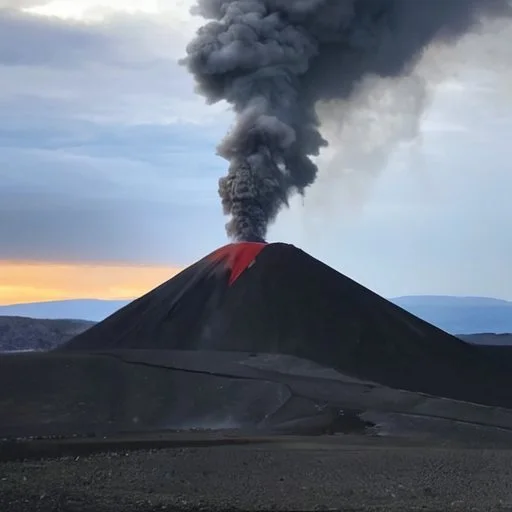
The Krakatoa eruption is often compared to other major volcanic events in history, including the eruption of Mount Vesuvius in 79 AD and the eruption of Mount Tambora in 1815. While these events share some similarities with Krakatoa, they are distinct in terms of their scale and impact.
One notable difference between Krakatoa and other volcanic eruptions is the speed and distance at which the shockwaves traveled. The Krakatoa eruption was so powerful that it was felt thousands of miles away, whereas other eruptions have had more limited ranges. This has led scientists to re-examine their understanding of the dynamics of volcanic eruptions and the potential for large-scale disasters.
The Krakatoa eruption also shares some similarities with nuclear explosions, in terms of the destruction and devastation caused. This has led to a greater understanding of the potential consequences of nuclear war and the need for international cooperation on disarmament efforts.The Krakatoa eruption led to significant social changes in the affected regions. The disaster brought about a renewed sense of community and cooperation, as people came together to rebuild and recover.
The eruption also led to changes in the social dynamics of the region. The massive influx of aid and assistance led to a shift in power dynamics, as local communities became more dependent on external support. This led to a re-evaluation of the role of colonial powers in the region and the need for greater autonomy and self-determination.
The Krakatoa eruption also had a profound impact on the social norms and values of the affected communities. The disaster led to a re-examination of the role of nature and the environment in human society, and a greater appreciation for the fragility of human existence. This led to a shift towards more sustainable and environmentally-conscious practices, as communities sought to rebuild and recover in a way that was respectful of the natural world.