


Mount Marapi, a complex volcano on the Indonesian island of Sumatra, is notorious for its powerful eruptions, but none as devastating as the one that shook the region, claiming the lives of 80 to 100 people. This catastrophic event left an indelible mark on the local communities, causing widespread destruction and chaos.
Located in the western part of Sumatra, Mount Marapi is one of the most active volcanoes in Indonesia, with a history of violent eruptions dating back to the 19th century. The volcano's reputation for fury is well-deserved, having erupted over 50 times since 1892, earning it the nickname "Mountain of Fire".
The deadly eruption occurred when the volcano unleashed a torrent of molten lava, ash, and pyroclastic flows, blanketing the surrounding landscape in a thick layer of debris. The eruption was so intense that it could be heard and felt miles away, sending shockwaves of panic through local villages.
The eruption's devastating impact was felt far and wide, with entire villages reduced to rubble. The exact number of fatalities remains unclear, with estimates ranging from 80 to 100 people. Many more were left homeless, their lives forever changed by the volcano's fury.
In the aftermath of the disaster, rescue teams and aid workers scrambled to reach the affected areas, providing much-needed assistance to the survivors. The Indonesian government declared a state of emergency, mobilizing resources to support the relief efforts.
In local folklore, Mount Marapi is believed to hold mystical powers, with stories of its eruptions being linked to supernatural events. The volcano's towering presence has also inspired countless works of art, literature, and music, cementing its place in Indonesian cultural heritage.
The eruption of Mount Marapi serves as a stark reminder of the importance of disaster preparedness and mitigation. The devastating consequences of the event highlight the need for continued research and monitoring of volcanic activity, ensuring that communities in the vicinity are better equipped to face the fury of the mountain.
The people who lost their lives in the Mount Marapi eruption will never be forgotten. Their memory serves as a poignant reminder of the power of nature and the importance of respecting the land and its forces.
The historiography of Mount Marapi's eruptions is marked by a fascinating interplay between scientific observation and local folklore. While colonial era records provide valuable insights into the volcano's activity, they are often infused with biases and assumptions about the "primitive" nature of the indigenous population.
In contrast, indigenous oral traditions offer a rich tapestry of stories and myths that contextualize the volcano's power within a broader cosmological framework. By examining these diverse narratives side by side, historians can gain a more nuanced understanding of the complex cultural dynamics at play.

The 2018 eruption of Mount Marapi released massive amounts of sulfur dioxide into the atmosphere, causing widespread air pollution and acid rain. The resulting damage to local ecosystems has had long-term consequences for biodiversity in the region.
Studies have shown that the ash fallouts have altered soil chemistry, affecting crop yields and water quality. Furthermore, the disruption of local wildlife habitats has led to a decline in species populations, highlighting the need for conservation efforts in the face of natural disasters.
Mount Marapi's eruptions have had a profound impact on Indonesian art and literature, inspiring generations of artists, writers, and musicians. The volcano's majestic presence has been immortalized in countless works of art, from traditional Batik fabrics to modern sculptures.
In local literature, Mount Marapi is often depicted as a symbol of primal power, shaping the destinies of humans and gods alike. The volcano's cultural significance extends beyond aesthetics, serving as a powerful metaphor for the fragility and resilience of human existence.
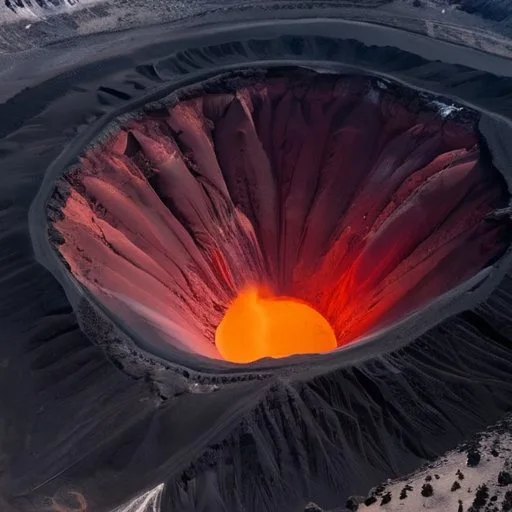
The aftermath of the Mount Marapi eruption witnessed a remarkable display of community resilience, as local residents banded together to provide aid and support to those affected.
The disaster also sparked a renewed sense of solidarity among the island's diverse ethnic groups, as people from different backgrounds worked together to rebuild their communities. This shared experience has helped to foster greater social cohesion, promoting a culture of cooperation and mutual respect.
Mount Marapi's location in the Indonesian archipelago has made it a focal point of regional geopolitics, with neighboring countries closely monitoring its activity.
The 2018 eruption highlighted the need for enhanced regional cooperation on disaster management, prompting Indonesia to strengthen its ties with ASEAN member states and international organizations. This diplomatic effort has paved the way for more effective disaster response strategies, better equipped to confront the challenges posed by the region's volatile geology.