


December 23, 1996, will forever be etched in the annals of aviation history as the day Ethiopian Airlines Flight 961 met its tragic demise. This ill-fated flight, which was hijacked by three individuals claiming to possess a bomb, would ultimately crash into the Indian Ocean off the coast of Comoros, resulting in the loss of 125 precious lives.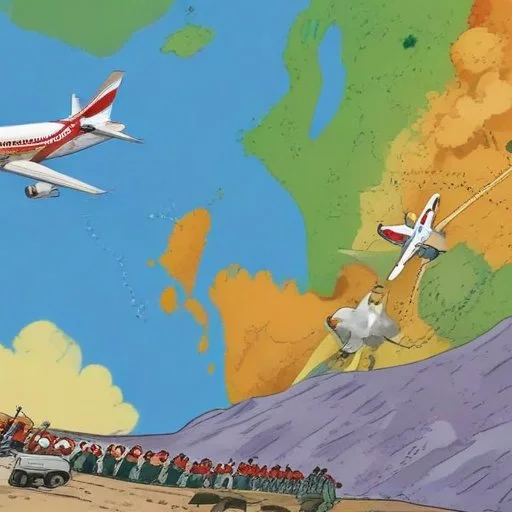
The pilots of Flight 961, led by Captain Leul Abate, found themselves in an impossible situation when the hijackers seized control of the plane. With the hijackers demanding to be flown to Australia, the pilots knew they had to act fast to prevent a potentially catastrophic outcome. In a bold move, Captain Abate and his co-pilot convinced the hijackers to refuel in the Comoros, knowing that the plane was running perilously low on fuel.
The hijackers, later identified as Ethiopian nationals, claimed to have a bomb on board and threatened to detonate it unless their demands were met. They demanded that the plane be flown to Australia, where they allegedly had friends waiting to help them. However, it soon became clear that the hijackers were not familiar with the plane's fuel capacity, a critical mistake that would ultimately seal their fate.
As Flight 961 approached the Comoros, Captain Abate took a calculated risk, pretending to prepare for landing while secretly plotting to exhaust the plane's fuel. The hijackers, unaware of the plane's dwindling fuel reserves, remained steadfast in their demands. In a heart-wrenching turn of events, the plane's engines sputtered and died, sending Flight 961 plummeting into the Indian Ocean.
The crash of Flight 961 sent shockwaves around the world, prompting a thorough investigation into the tragedy. The subsequent inquiry revealed that the hijackers' plan was poorly executed, with the trio lacking the necessary expertise to navigate the complexities of commercial air travel. The investigation also highlighted the bravery and quick thinking of Captain Abate and his crew, who fought valiantly to prevent a potentially worse outcome.
The crash of Flight 961 claimed the lives of 125 people, leaving behind a trail of devastated families and loved ones. As we reflect on this tragic event, we honor the memories of those who lost their lives, as well as the bravery and sacrifice of Captain Abate and his crew.
The hijacking and crash of Ethiopian Airlines Flight 961 serve as a poignant reminder of the importance of vigilance and preparedness in the face of adversity. The incident also underscored the need for greater cooperation and information-sharing between airlines, governments, and security agencies to prevent such tragedies from occurring in the future.
As we remember the lives lost on that fateful day, we are reminded of the importance of unity, resilience, and the unwavering commitment to safety that defines the aviation industry.
Before Flight 961, there were other hijacking incidents in Ethiopia's history, which raised concerns about the country's aviation security.
In 1993, an Ethiopian Airlines flight was hijacked by a group of unemployed youths, who demanded to be flown to Sudan.
Although the incident ended without any fatalities, it highlighted the vulnerabilities of the Ethiopian aviation system.
The 1990s saw a surge in hijacking attempts in Ethiopia, with at least five incidents reported between 1993 and 1997.
These events led to a major overhaul of the country's aviation security protocols, which included improving passenger screening, increasing air marshal presence, and enhancing pilot training.

Captain Leul Abate, the pilot of Flight 961, was a highly experienced aviator with over 10,000 hours of flying experience.
Born in 1954, Abate joined Ethiopian Airlines in 1976 and quickly rose through the ranks, becoming a captain in 1991.
Abate's calm and composed demeanor during the hijacking crisis was instrumental in saving as many lives as possible.
Despite the tragic outcome, Abate's bravery and quick thinking earned him international recognition and admiration.
Abate's legacy continues to inspire pilots and aviation professionals around the world, serving as a testament to the importance of calm and decisive leadership in times of crisis.
The hijacking of Flight 961 shares some striking similarities with other notable hijackings of the 1990s, such as the 1993 hijacking of an Air France flight by Algeria's GIA militants.
Both incidents involved hijackers with political or ideological motivations, who were willing to take extreme measures to achieve their goals.
In both cases, the hijackers' lack of familiarity with the aircraft's fuel capacity proved to be a critical mistake, ultimately leading to their downfall.
However, the Flight 961 hijacking stands out due to its unusual demands, which involved flying the plane to Australia, a destination rarely seen in hijacking incidents.

The crash of Flight 961 into the Indian Ocean had significant environmental implications, particularly for the marine ecosystem of the Comoros.
The wreckage of the plane and the subsequent oil spill posed a substantial threat to the local marine wildlife, including coral reefs and marine mammals.
Although the Comorian government and international organizations responded quickly to contain the damage, the full extent of the environmental impact remains unclear.
The incident highlights the need for comprehensive environmental risk assessments and contingency plans in the event of aviation disasters.
The hijacking of Flight 961 occurred during a period of heightened tension in the Horn of Africa, with Ethiopia engaged in a border dispute with Eritrea.
The hijackers' demands to fly to Australia, a country with a significant Ethiopian diaspora, raises questions about the potential political motivations behind the hijacking.
The incident also highlighted the vulnerabilities of Ethiopia's aviation system, which was struggling to cope with the aftermath of the Ethiopian Civil War.
The international community's response to the hijacking, including the participation of French and Comorian authorities in the investigation, underscored the importance of cooperation in combating international terrorism.