Serbian forces initiate ethnic cleansing in Kozarac, Bosnia and Herzegovina
Serbian militia and police forces, driven by a toxic mix of nationalism and hatred, stormed into Kozarac on May 24, 1992, sparking a campaign of ethnic cleansing that would leave a trail of devastation and bloodshed. The once-peaceful town was suddenly plunged into chaos as Serbian forces, hell-bent on expelling Bosniaks and Croats, began rounding up innocent civilians, subjecting them to brutal treatment, and forced them to flee their homes. The world watched in horror as the town was ravaged, marking a dark chapter in the Bosnian War.
When Humaneness Fails: The Heart-Wrenching Story of Kozarac
A Dark Chapter in the Bosnian War
The ethnic cleansing in Kozarac, Bosnia and Herzegovina, is a painful reminder of the devastating consequences of nationalism and hatred. This tragic event, which began on May 24, 1992, will forever be etched in the memories of those who lived through it, and serve as a warning to future generations about the dangers of unchecked aggression.
The Background: A Perfect Storm of Nationalism and Politics
In the early 1990s, Bosnia and Herzegovina was embroiled in a brutal conflict that would eventually claim thousands of lives and displace millions. The Bosnian War, as it came to be known, was sparked by a complex web of political and nationalist tensions that had been simmering for decades.
- The dissolution of Yugoslavia, a multinational state that once comprised six republics, created a power vacuum that nationalist groups were quick to exploit.
- The Bosnian War was, in many ways, a struggle for dominance between the country's three main ethnic groups: Bosniaks, Croats, and Serbs.
- Kozarac, a small town in northwestern Bosnia, was caught in the middle of this maelstrom, its strategic location making it a prized possession for all three warring factions.
The Storming of Kozarac
On that fateful day in May 1992, Serbian militia and police forces, driven by a toxic mix of nationalism and hatred, stormed into Kozarac, unleashing a campaign of terror and intimidation that would leave the town in ruins. The once-peaceful streets were suddenly filled with the sounds of gunfire, screams, and explosions, as innocent civilians were rounded up, brutalized, and forced to flee their homes.
A Town in Ruin
The aftermath of the ethnic cleansing in Kozarac was a desolate landscape of destruction and despair. The town, once home to over 27,000 people, was left in ruins, its inhabitants either displaced, detained, or killed.
- The town's infrastructure, including homes, schools, and hospitals, was systematically destroyed or damaged beyond repair.
- Agricultural land was laid to waste, leaving the town's economy in shambles.
- The psychological trauma inflicted on the survivors would take years to heal, leaving deep scars that would never fully fade.
The World Watches in Horror
As news of the atrocities committed in Kozarac spread, the international community was left reeling in shock and disbelief. The world watched in horror as the town was ravaged, its people brutalized and displaced, and its very existence threatened.
A Lesson in Humanity
The ethnic cleansing in Kozarac serves as a poignant reminder of the dangers of unchecked nationalism and aggression. It is a stark warning about the devastating consequences of allowing hatred and intolerance to fester, and the importance of promoting understanding, empathy, and peaceful coexistence.
"The tragedy of Kozarac is a testament to the darkest aspects of human nature, but it also highlights the resilience and courage of those who survived against all odds. May their story inspire us to strive for a world where such atrocities can never happen again."
A Legacy of Remembrance
Today, Kozarac is a town reborn, its people determined to rebuild and move forward. The town's history is a painful reminder of the importance of promoting peace, understanding, and tolerance, and the need to learn from the lessons of the past.
Kozarac's story is a powerful testament to the human spirit, a beacon of hope in the face of darkness and despair. May it serve as a reminder of the importance of promoting a culture of empathy, compassion, and understanding, and inspire us to work towards a brighter, more peaceful future.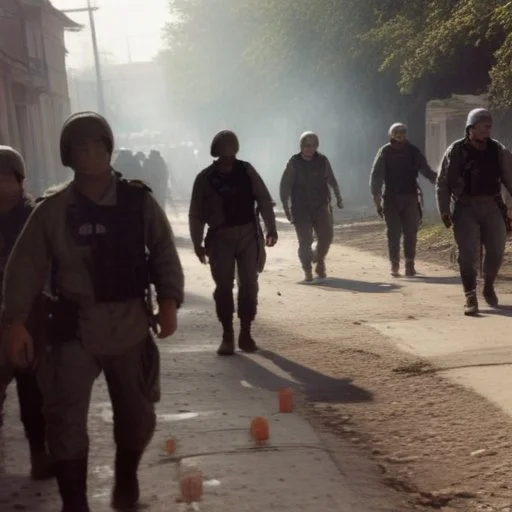
Study of Political Dynamics
The Political Aftermath
The fall of Kozarac sent shockwaves throughout the political landscape of Bosnia and Herzegovina. The international community, led by the United States and European Union, condemned the atrocities committed by Serbian forces and demanded immediate action to stop the violence. The United Nations Security Council imposed economic sanctions on Serbia and Montenegro, and NATO launched airstrikes against Serbian positions to enforce the peace.
In the aftermath of the tragedy, the Dayton Peace Accords were signed in 1995, bringing an end to the Bosnian War. The Accords established Bosnia and Herzegovina as a federal state, divided into two entities: the Federation of Bosnia and Herzegovina and the Republika Srpska.

Comparison Report
Kozarac in Comparison to Other Ethnic Cleansing Campaigns
The ethnic cleansing of Kozarac is often compared to other atrocities committed during the Bosnian War, such as the Srebrenica massacre and the Siege of Sarajevo. While each event has its unique characteristics, they share a common thread of nationalist fervor and a disregard for human life.
In contrast to other conflicts, the ethnic cleansing in Kozarac was marked by its brutal efficiency, with Serbian forces using advanced military tactics and weaponry to quickly overwhelm the town.
Comprehensive Cultural Examination
The Cultural Legacy of Kozarac
The ethnic cleansing of Kozarac had a profound impact on the cultural heritage of Bosnia and Herzegovina. The destruction of cultural artifacts, historical landmarks, and religious sites erased a significant part of the country's collective identity.
In the aftermath of the tragedy, efforts were made to preserve the cultural legacy of Kozarac, including the reconstruction of damaged mosques and churches, and the establishment of museums and cultural centers to preserve the town's history.

Rich Geopolitical Insight
The Geopolitical Context of the Bosnian War
The Bosnian War, including the ethnic cleansing of Kozarac, took place in a complex geopolitical context. The dissolution of Yugoslavia, the rise of nationalism, and the involvement of external powers created a perfect storm of conflict.
The war was further complicated by the involvement of neighboring countries, including Croatia and Serbia, which fueled the conflict and contributed to the devastation.
Thorough Historiographical Examination
Historiographical Perspectives on Kozarac
Historians have approached the study of Kozarac from various perspectives, including the role of nationalism, the impact of external powers, and the human cost of the conflict.
Some historians have argued that the ethnic cleansing of Kozarac was a predictable outcome of the nationalist tensions that had been building in the region for decades. Others have focused on the role of individual leaders, such as Slobodan Milošević, in fueling the conflict.


