


In a landmark ruling that sent shockwaves through the corridors of power, U.S. Federal Judge Norma Holloway Johnson ordered Secret Service agents to take the stand in the grand jury investigation into President Bill Clinton's affair with White House intern Monica Lewinsky. This unprecedented decision marked a significant turning point in the scandal, pulling back the veil of secrecy and thrusting the President's personal life into the harsh glare of public scrutiny.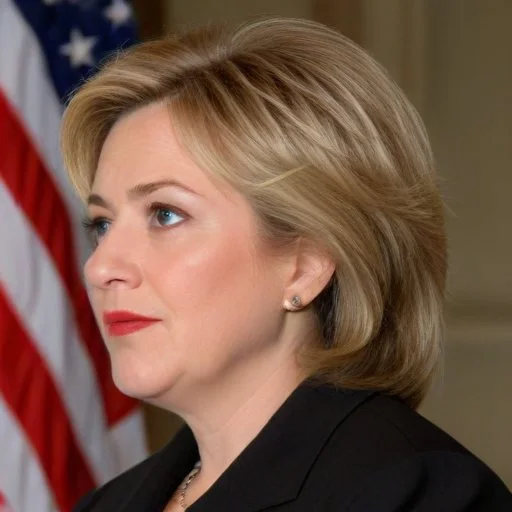
The Lewinsky scandal began to gain traction in January 1998, when news of an alleged affair between the President and the 22-year-old intern broke. As the story unfolded, it became clear that this was no ordinary tryst – Clinton had allegedly engaged in a series of intimate encounters with Lewinsky in the Oval Office, sparking a maelstrom of controversy and outrage.
January 1998: News of the alleged affair breaks, prompting a federal investigation into the matter.
January 26, 1998: President Clinton delivers a televised address, categorically denying any involvement with Lewinsky.
July 1998: Secret Service agents are subpoenaed to testify in the grand jury investigation, sparking a heated debate over executive privilege.
July 31, 1998: Judge Norma Holloway Johnson rules that Secret Service agents can be compelled to testify, paving the way for a deeper probe into the scandal.
The ruling marked a significant shift in the balance of power, rendering President Clinton's claims of executive privilege moot and exposing him to potential impeachment proceedings. The scandal ultimately led to Clinton's impeachment in December 1998, although he was acquitted by the Senate in February 1999.
The Lewinsky scandal had far-reaching implications for American society, sparking heated debates over privacy, power, and morality. It also marked a significant shift in the way the media reported on political scandals, with the 24-hour news cycle and the internet playing a crucial role in shaping public perception.
The scandal raised important questions about the limits of executive power and the accountability of public officials. It also sparked a heated debate over the role of the media in reporting on political scandals, with some arguing that the press had overstepped its bounds in pursuing the story.
As the scandal continued to unfold, it became clear that the lines between personal and public life had become increasingly blurred – a theme that would continue to dominate American politics in the years to come.
Everton Davis, a Secret Service agent assigned to the Clinton White House, played a crucial role in the grand jury investigation. Davis's testimony about the President's interactions with Monica Lewinsky provided key evidence, contradicting Clinton's initial denials. His decision to cooperate with the investigation made him a central figure in the scandal, earning him both praise and criticism.
Davis's testimony not only shed light on the President's actions but also exposed the Secret Service's lax security protocols, allowing Lewinsky unrestricted access to the Oval Office.

The Lewinsky scandal marked a significant shift in the way the media reported on political scandals. The 24-hour news cycle and the internet enabled the widespread dissemination of salacious details, blurring the lines between mainstream and tabloid journalism.
The scandal also led to the rise of infotainment, with news programs incorporating sensationalist elements to attract viewers. This phenomenon had a lasting impact on the media landscape, with many outlets adopting a more entertainment-focused approach to reporting.
The Lewinsky scandal raised important questions about the limits of executive privilege, with President Clinton's legal team arguing that Secret Service agents were immune from testifying due to their proximity to the President.
U.S. Federal Judge Norma Holloway Johnson's ruling rejected this argument, establishing a precedent that would influence future cases involving executive privilege. This decision strengthened the investigators' hand, ultimately contributing to Clinton's impeachment.

The blue dress, stained with President Clinton's DNA, became a pivotal piece of evidence in the Lewinsky scandal. The dress, which Lewinsky had kept unwashed, was used to link Clinton to the affair, contradicting his initial denials.
The dress's significance extended beyond the scandal itself, symbolizing the blurred lines between personal and public life. It also sparked debates about the relevance of physical evidence in political scandals.
Historians have offered differing perspectives on the Lewinsky scandal, with some viewing it as a significant constitutional crisis and others seeing it as a symptom of a larger cultural shift.
Some historians argue that the scandal marked a turning point in the erosion of trust between the public and politicians, while others view it as an overblown moral panic. These contrasting views reflect the complexities of the scandal and its ongoing impact on American politics.