


The Christchurch mosque shootings, a ghastly act of terrorism, drew the world's attention to the quiet city of Christchurch, New Zealand, on March 15, 2019. In a span of 36 minutes, 51 innocent lives were lost, and 49 others were left wounded in a brutal display of hate and intolerance.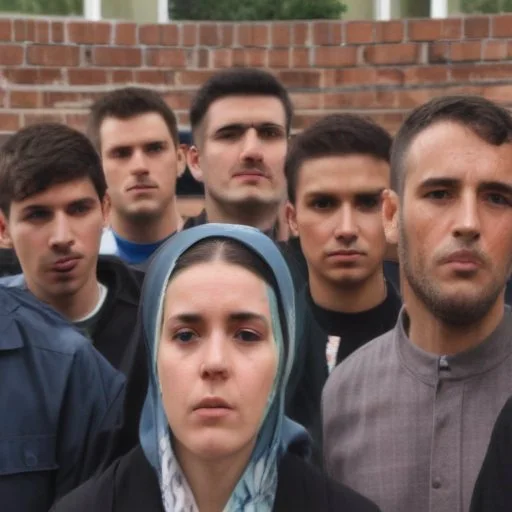
In the weeks leading up to the attack, New Zealand's seemingly tranquil atmosphere was disrupted by a growing sense of unease. The country, known for its warm hospitality, was grappling with the ominous presence of white supremacy and far-right extremism. The writing was on the wall, yet no one could have anticipated the scale of horror that was about to unfold.
Friday, March 15, 2019, began like any other, with the call to prayer echoing through the Al Noor Mosque and the Linwood Islamic Centre. It was a day like any other, with worshippers from diverse backgrounds gathering for their weekly congregation. But in the blink of an eye, the tranquility was shattered by the sound of gunfire.
Brenton Tarrant, a 28-year-old Australian national, stormed into the Al Noor Mosque, armed with semi-automatic weapons and a twisted ideology. The attack, livestreamed on social media, was a deliberate attempt to spread terror and incite hatred.
The 51 lives lost in the Christchurch mosque shootings were not just numbers; they were fathers, mothers, sons, and daughters, each with their own stories, hopes, and dreams. They were immigrants, students, and locals, united in their faith and their humanity. The victims included:
The Christchurch mosque shootings sent shockwaves around the world, sparking widespread condemnation and outrage. World leaders, including New Zealand Prime Minister Jacinda Ardern, vowed to take immediate action against hate crimes and terrorism.
In the days that followed, New Zealand came together in solidarity, with people from all walks of life paying tribute to the victims and their families. The attack also sparked a renewed conversation about Islamophobia, white supremacy, and the role of social media in perpetuating hate crimes.
The Christchurch mosque shootings will forever be etched in the memory of humanity as a dark reminder of the dangers of hate and intolerance. However, in the face of tragedy, the people of New Zealand and the global community have shown remarkable resilience and courage.
As we reflect on this tragedy, we are reminded of the power of love, compassion, and unity in the face of darkness. The Christchurch mosque shootings will not be forgotten, but they will also serve as a beacon of hope, inspiring us to build a world where diversity is celebrated and hate has no place.
The Christchurch mosque shootings sent shockwaves beyond New Zealand's borders, revealing a disturbing trend of rising Islamophobia and white supremacy worldwide.
In the aftermath of the attack, mosques and Muslim communities across the globe reported a surge in hate crimes and intimidating incidents.
This phenomenon highlighted the interconnectedness of extremist ideologies, demonstrating how hate can spread rapidly through social media andonline platforms.

Naeem Rashid, a 50-year-old Pakistani national, sacrificed his life trying to tackle the gunman and save others at the Al Noor Mosque.
Rashid, a teacher and father of three, was known for his kindness and generosity within the Christchurch community.
His bravery and selflessness in the face of terror have inspired countless people around the world, earning him the title of a true hero.
The Christchurch mosque shootings marked a watershed moment in the relationship between social media and terrorism.
The livestreaming of the attack on Facebook and other platforms raised questions about the role of technology in perpetuating hate crimes and the need for stricter regulations.
The incident has prompted a global conversation about the responsibility of tech companies in preventing the spread of extremist ideologies and content.

The Christchurch mosque shootings occurred at a time when the Asia-Pacific region was grappling with rising tensions between nations.
The attack highlighted the vulnerability of minority communities in the face of growing nationalism and xenophobia.
The incident has underscored the need for governments and international organizations to address the root causes of extremism and promote interfaith dialogue and cooperation.
The Christchurch mosque shootings drew eerie parallels with other hate crimes and terrorist attacks throughout history, including the Oklahoma City bombing and the Pittsburgh synagogue shooting.
These parallels underscore the importance of learning from the past and recognizing the warning signs of extremism.
By studying the historical context of such events, we can better understand the complexities of hate and develop more effective strategies to combat it.