


On December 31, 1995, the curtains closed on one of the most beloved comic strips of all time, as Bill Watterson's iconic duo, Calvin and Hobbes, bid adieu to their devoted fans. The final strip, a poignant and introspective conclusion, marked the end of an era, leaving readers nostalgic yet grateful for the 10-year run that captured the hearts of millions.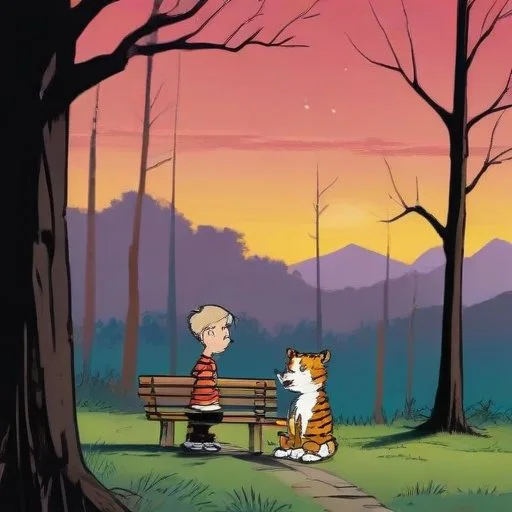
Calvin, the mischievous six-year-old, and his trusty stuffed tiger, Hobbes, had been delighting readers since November 18, 1985. Through their adventures, Watterson tackled complex themes like friendship, imagination, and the human condition, often with humor and wit. The strip's unique blend of humor, poignancy, and relatability resonated with people of all ages, making it a staple of Sunday morning routines.
Bill Watterson's artistic genius and rebellious stance against commercialism revolutionized the comic strip medium. He refused to merchandise his characters, rejecting lucrative licensing deals and maintaining creative control. This unwavering commitment to his artistic vision allowed Calvin and Hobbes to maintain its integrity and authenticity, earning Watterson the respect of his peers and the adoration of his fans.
The final Calvin and Hobbes strip, a simple yet profound farewell, has become an iconic image in popular culture. As the world bid farewell to Calvin and his trusty sidekick, it marked not only the end of an era but also the beginning of a new chapter in the world of comics. Watterson's legacy continues to inspire, educate, and entertain, ensuring that Calvin and Hobbes will remain an integral part of our collective cultural heritage.
"It's a magical world, Hobbes... Let's go exploring!" – Calvin
Calvin, the mischievous six-year-old, is more than just a protagonist – he's a representation of childhood innocence and boundless energy. His curiosity and creativity often land him in trouble, but they also make him relatable and endearing to readers. Calvin's character is a masterclass in contradictions: he's both selfish and empathetic, reckless and introspective. This complexity makes him one of the most well-crafted and memorable characters in comic strip history.
Calvin's evolution over the 10-year run of the strip is a testament to Watterson's storytelling skills. From his early days as a tantrum-throwing toddler to his later, more introspective moments, Calvin's growth is both subtle and profound. His relationships with Hobbes, his parents, and Susie Derkins add depth to his character, making him a rich and nuanced personality.
Calvin's character has been praised for its universality, allowing readers of all ages to see themselves in his antics and emotions.
Calvin and Hobbes' influence extends far beyond the world of comics. The strip's themes and characters have been referenced in music, film, and literature, cementing its status as a cultural touchstone. From Weezer's "El Scorcho" music video to The Simpsons' nods to Calvin's snowmen, the strip's cultural relevance is undeniable.
The impact of Calvin and Hobbes can be seen in the work of artists, writers, and musicians who grew up with the strip. Authors like Neil Gaiman and Raina Telgemeier have cited Calvin and Hobbes as an inspiration, while bands like They Might Be Giants have referenced the strip in their music.
The strip's crossover appeal has made it a beloved part of our shared cultural heritage, transcending traditional comic strip boundaries.Bill Watterson's decision to reject merchandising and licensing deals was a bold move, especially when compared to other popular comic strips of the time. Peanuts, for example, was a merchandising juggernaut, with Charlie Brown and Snoopy appearing on everything from lunchboxes to t-shirts. Watterson's refusal to follow suit was a deliberate choice, driven by his commitment to preserving the integrity of his characters.
In contrast to Garfield, which became a merchandising behemoth, Calvin and Hobbes remained authentic and true to its artistic vision. This decision not only earned Watterson the respect of his peers but also allowed the strip to maintain its unique voice and perspective.
This comparative analysis highlights the significance of Watterson's artistic vision and its impact on the comic strip medium.
Calvin and Hobbes' debut on November 18, 1985, was a modest affair, syndicated in just 35 newspapers across the United States. However, the strip's unique blend of humor, wit, and poignancy quickly resonated with readers, and it soon became a staple of Sunday morning routines. By the early 1990s, Calvin and Hobbes was syndicated in over 2,400 newspapers, cementing its status as one of the most popular comic strips of all time.
The strip's early success can be attributed to Watterson's innovative storytelling style, which eschewed traditional comic strip formats in favor of a more nuanced, introspective approach. This bold move paid off, as Calvin and Hobbes quickly gained a loyal following and established itself as a breath of fresh air in the comic strip world.
The humble beginnings of Calvin and Hobbes belie its eventual impact on the comic strip medium and popular culture as a whole.Calvin and Hobbes' massive popularity translated into significant economic success, with the strip generating millions of dollars in revenue during its 10-year run. The strip's popularity led to a lucrative book market, with collections like The Days Are Just Packed and Attack of the Deranged Mutant Killer Monster Snow Goons becoming bestsellers.
The strip's economic impact extends beyond the comic strip itself, with Calvin and Hobbes merchandise, from posters to calendars, becoming a staple of many retail stores. Although Watterson refused to merchandise his characters, the strip's popularity still generated significant revenue through secondary markets.
The economic success of Calvin and Hobbes is a testament to the strip's enduring popularity and Watterson's shrewd business decisions.