


The 1996 Channel Tunnel fire is a harrowing reminder of the importance of safety protocols and emergency preparedness. On November 18, 1996, a devastating blaze erupted on a freight train traveling from France to England, injuring several passengers and damaging approximately 500 meters (1,640 feet) of the tunnel.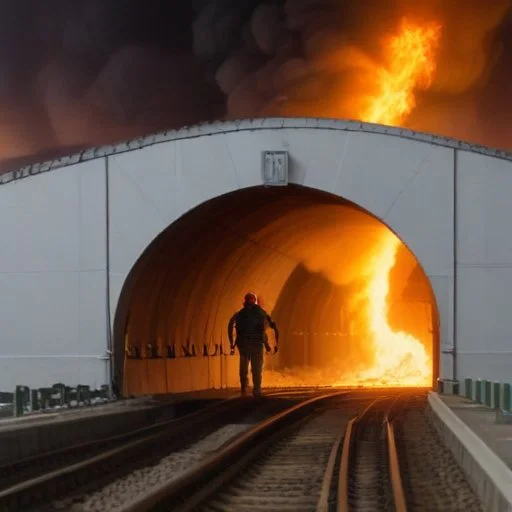
The fire began on a freight wagon, rapidly spreading to other wagons due to the highly flammable nature of the cargo. The blaze quickly engulfed a significant section of the tunnel, trapping passengers and crew members inside. Miraculously, no fatalities were reported, but the incident sparked a massive rescue effort, with emergency responders bravely navigating the treacherous conditions to evacuate those on board.
The fire led to a thorough investigation, which revealed that the blaze was caused by an electrical fault on one of the freight wagons. The incident highlighted the need for improved safety measures and emergency response procedures in the Channel Tunnel. As a result, significant upgrades were made to the tunnel's safety infrastructure, including the installation of advanced fire detection systems and enhanced emergency response plans.
The 1996 Channel Tunnel fire serves as a poignant reminder of the importance of prioritizing safety in high-risk environments. The incident highlighted the need for robust emergency response plans, effective communication between authorities, and the importance of investing in safety infrastructure. The fire also underscored the importance of international cooperation in responding to cross-border emergencies.
The Channel Tunnel fire led to a renewed focus on safety in the rail industry, with numerous safety initiatives and regulations being implemented in the following years. The incident also prompted a review of emergency response procedures, resulting in improved coordination and communication between emergency services.
The 1996 Channel Tunnel fire was a harrowing incident that tested the emergency response capabilities of both France and England. While the incident was devastating, it ultimately led to significant improvements in safety infrastructure and emergency response procedures. Today, the Channel Tunnel remains a vital transportation link between the two nations, and the lessons learned from the fire continue to inform safety initiatives and emergency response planning in the rail industry.
The Channel Tunnel, also known as the Chunnel, was a marvel of modern engineering when it opened in 1994. Connecting England and France, it was expected to revolutionize transportation between the two nations. The tunnel was the first of its kind, stretching 50 kilometers under the English Channel. The project took over 15 years to complete, with construction beginning in 1986. The tunnel's early years were marked by excitement and optimism, with thousands of passengers and freight trains passing through it every day.
However, the tunnel's safety record was not without incident. In the two years leading up to the 1996 fire, there were several minor incidents, including a small fire in 1994 and a collision between two trains in 1995. While these incidents were minor, they highlighted the need for improved safety measures and emergency response procedures.
The 1996 fire was a wake-up call for the tunnel's operators, and it led to a major overhaul of the tunnel's safety infrastructure.
On the night of November 18, 1996, a team of brave emergency responders risked their lives to rescue passengers trapped in the Channel Tunnel. Leading the rescue effort were two men: Gérard Honnet, the French tunnel manager, and Chris Hill, the British tunnel manager. Hill, a veteran of the British railway industry, had extensive experience in emergency response and was instrumental in coordinating the rescue effort.
Honnet, meanwhile, played a crucial role in communicating with the French authorities and ensuring that the French response team was deployed quickly. Together, Hill and Honnet worked tirelessly to evacuate the passengers and put out the fire. Their bravery and quick thinking undoubtedly saved lives that night.
The 1996 Channel Tunnel fire led to a major technological overhaul of the tunnel's safety infrastructure. One of the key innovations to come out of the incident was the development of advanced fire detection systems. These systems use heat and smoke sensors to detect fires quickly, allowing for faster response times and more effective firefighting.
In addition to fire detection systems, the tunnel's operators also implemented advanced communication systems, including digital radios and emergency beacons. These systems enable emergency responders to communicate quickly and effectively, even in the tunnel's confined spaces.
The fire also spurred the development of more robust emergency response plans, including regular drills and training exercises for emergency responders.
The 1996 Channel Tunnel fire had significant environmental implications. The fire released large quantities of toxic chemicals into the atmosphere, including carbon monoxide and particulate matter. These pollutants posed a risk to both human health and the environment.
Fortunately, the tunnel's operators and emergency responders were able to contain the environmental damage. The fire was extinguished quickly, minimizing the release of pollutants into the atmosphere. Additionally, the tunnel's ventilation systems were designed to minimize the impact of fires on the environment.
The 1996 Channel Tunnel fire had significant social implications. The incident highlighted the need for improved safety measures and emergency response procedures, not just in the rail industry but also in other high-risk environments.
The fire also led to increased investment in safety infrastructure and emergency response planning, resulting in safer working conditions for thousands of workers. Furthermore, the incident raised awareness of the importance of emergency preparedness and response, leading to increased public engagement and involvement in safety initiatives.
The fire was a catalyst for social change, driving improvements in safety standards and emergency response practices.