


The Great Lakes Blizzard of 1977 is infamous for dumping an unprecedented 3 meters (10ft) of snow in a mere 24 hours in Upstate New York, paralyzing cities like Buffalo, Syracuse, and Watertown. This behemoth of a storm catapulted daily life to a standstill, earning its place in the annals of weather history as one of the most intense and destructive blizzards of all time.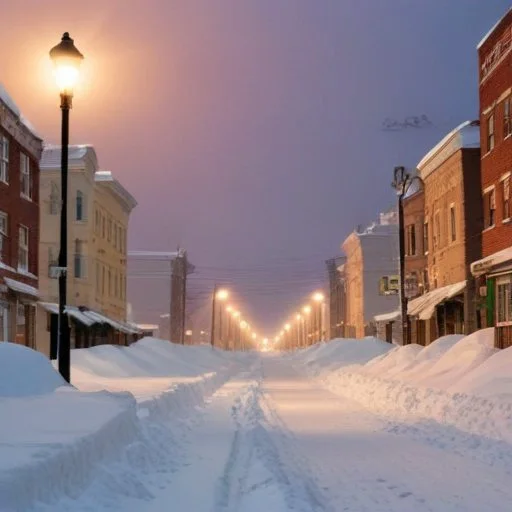
A rare combination of atmospheric and oceanic circumstances converged to create the perfect storm that spawned the Great Lakes Blizzard of 1977. A low-pressure system from the Gulf of Mexico collided with the frigid air from Canada, while the warm waters of Lake Erie and Lake Ontario fueled the storm's intensity. This deadly cocktail of warm and cold air generated massive amounts of moisture, resulting in an unrelenting snowfall that would cripple the region.
The sheer scale of the blizzard's impact was staggering. Thousands of people were stranded in their homes, with many more forced to abandon their vehicles on snow-entombed roads. The region's infrastructure was severely crippled, with power lines snapped, roads blocked, and utilities disrupted. The economic toll was substantial, with an estimated $1 billion in damages (approximately $4.5 billion in today's currency).
Despite the unprecedented challenges, the people of Upstate New York demonstrated remarkable resilience and community spirit. Neighbors helped neighbors dig out of snowdrifts, strangers became friends in the face of adversity, and makeshift shelters were established to provide aid to those in need. The blizzard served as a poignant reminder of the power of humanity in the face of nature's fury.
The Great Lakes Blizzard of 1977 left an indelible mark on the region, prompting significant changes in weather forecasting, emergency preparedness, and infrastructure development. This cataclysmic event serves as a testament to the awe-inspiring power of nature, and the enduring spirit of those who call Upstate New York home.
The Great Lakes Blizzard of 1977 will forever be etched in the collective memory of those who lived through it. This tempestuous event continues to inspire awe, reverence, and a healthy respect for the unpredictable forces of nature that shape our world.
The economic impact of the Great Lakes Blizzard of 1977 was far-reaching and devastating. The blizzard caused an estimated $1 billion in damages, which is equivalent to approximately $4.5 billion in today's currency. The losses were spread across various sectors, including agriculture, transportation, and commerce. The blizzard led to a significant decrease in economic activity, with many businesses forced to shut down temporarily. Additionally, the blizzard disrupted supply chains, causing shortages of essential goods and services.
In the aftermath of the blizzard, the government and private sector worked together to provide relief to affected communities. The Federal Emergency Management Agency (FEMA) provided financial assistance to individuals and businesses affected by the blizzard. The government also implemented measures to mitigate the impact of future blizzards, including investing in snow removal equipment and improving emergency response systems.

The Great Lakes Blizzard of 1977 had a profound impact on the cultural landscape of Upstate New York. The blizzard brought communities together, as people came out to help each other dig out of snowdrifts and share resources. The blizzard also sparked a sense of community spirit, with neighbors helping neighbors and strangers becoming friends in the face of adversity.
The blizzard also had an impact on the arts, with many writers, artists, and musicians drawing inspiration from the event. The blizzard was the subject of numerous songs, poems, and stories, which captured the drama and resilience of the people affected by the storm.
The Great Lakes Blizzard of 1977 was a rare and intense storm that was characterized by its rapid intensification and slow movement. In comparison to other notable blizzards, the Great Lakes Blizzard of 1977 was one of the most intense and destructive, with snowfall rates reaching up to 3 inches per hour and drifts exceeding 20 feet in some areas.
In comparison to the Blizzard of 1993, which affected a larger area but had lower snowfall rates, the Great Lakes Blizzard of 1977 was more intense and localized, with heavier snowfall and stronger winds. The Great Lakes Blizzard of 1977 was also more destructive, with greater economic losses and disruptions to daily life.

One of the most iconic artifacts of the Great Lakes Blizzard of 1977 is the Buffalo News front page headline, which read "BLIZZARD!" in bold, uppercase letters. The headline has become a symbol of the storm's intensity and the region's resilience.
Another important artifact is the series of photographs taken by William Albertini, a local photographer who captured the storm's fury and the community's response. Albertini's photographs, which include images of snowdrifts, stranded cars, and snow-covered buildings, provide a powerful visual record of the blizzard's impact.
The historiography of the Great Lakes Blizzard of 1977 is characterized by a focus on the storm's intensity and the community's response. Historians have emphasized the blizzard's impact on the region's infrastructure, economy, and social fabric.
One of the key debates among historians is the role of weather forecasting in the blizzard's impact. Some historians argue that the storm's intensity was unexpected, while others contend that warning signs were ignored or downplayed. The debate highlights the complexities of predicting and preparing for extreme weather events.