


The Manchester Guardian, a beacon of independent journalism, made its debut on May 5, 1821, with a bold mission to advocate for social reform and freedom of expression. Founded by John Edward Taylor and Jeremiah Garnett, this pioneering publication would go on to shape public opinion and inspire generations of journalists to come.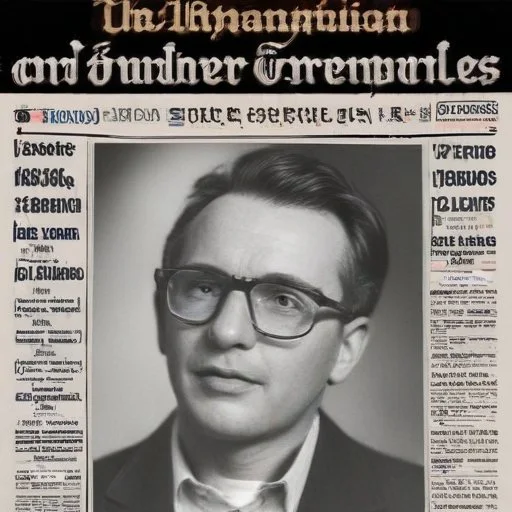
In the early 19th century, the British press was heavily censored by the government, stifling the voices of dissent and restricting access to information. Against this backdrop, Taylor and Garnett dared to challenge the status quo, creating a platform that would give voice to the voiceless and hold those in power accountable.
John Edward Taylor, a passionate advocate for social reform, was a textile manufacturer turned journalist. His partner, Jeremiah Garnett, was a seasoned journalist and editor with a keen eye for storytelling. Together, they formed a formidable team, driven by a shared vision of creating a truly independent press.
The Manchester Guardian's commitment to independent journalism had far-reaching consequences, inspiring a new generation of writers and journalists to take up the mantle. The paper's fearless reporting and editorial stance helped shape public opinion, influencing key policy decisions and social reforms.
The Manchester Guardian's impact extended beyond the realm of journalism, influencing the cultural and social fabric of Manchester and beyond. The paper's coverage of local issues and events helped foster a sense of community, while its advocacy for social reform contributed to a growing awareness of social justice.
Throughout its history, The Manchester Guardian faced its fair share of controversy, from criticism of its liberal bias to allegations of sensationalism. However, the paper's commitment to truth-telling and accountability remained unwavering, earning it a reputation as a fearless and respected voice in British journalism.
John Edward Taylor, co-founder of The Manchester Guardian, once said, "The press is the mirror of the nation, and its duty is to reflect the truth, no matter how painful it may be." This guiding principle has remained at the heart of The Guardian's mission to this day.
Today, The Guardian is a global brand, respected for its commitment to independent journalism and fearless reporting. As we reflect on the paper's humble beginnings, we are reminded of the power of the press to shape public opinion, inspire social change, and hold those in power accountable.
As the first edition of The Manchester Guardian rolls off the presses, a new era of journalism is born. An era marked by courage, conviction, and a steadfast commitment to the truth. An era that continues to inspire and shape the world we live in today.
The Manchester Guardian's debut in 1821 coincided with a period of great social and economic change in Britain. The Industrial Revolution was in full swing, and the north of England was at the forefront of this transformation. Manchester, in particular, was a hub of textile production, and the city's population was swelling with migrant workers seeking employment in the mills and factories. This rapid urbanization created a host of social problems, including poverty, overcrowding, and poor working conditions. It was against this backdrop that Taylor and Garnett launched The Manchester Guardian, a newspaper that would go on to champion the causes of the working class and campaign for social reform.
In the early years, the paper focused on local issues, reporting on the struggles of Manchester's working-class communities and advocating for better working conditions, higher wages, and improved living standards. The Guardian's reporting was instrumental in raising awareness about the plight of the working class and influencing public opinion in favor of social reform.
The Manchester Guardian's commitment to social reform was not limited to its reporting. The paper's owners and editors were also actively involved in local politics, using their influence to push for policy changes that would benefit the working class. Taylor, in particular, was a vocal advocate for the reform of the Poor Laws, which he believed perpetuated poverty and inequality. His campaigning helped raise awareness about the issue and contributed to the eventually reform of the laws in the 1830s.

Jeremiah Garnett, the co-founder of The Manchester Guardian, was a seasoned journalist and editor who brought a wealth of experience to the paper. Born in 1793, Garnett began his career in journalism at a young age, working as a reporter and editor for various newspapers in the north of England. He was known for his sharp mind, his keen eye for detail, and his ability to craft compelling stories that engaged readers.
Garnett's partnership with Taylor was a key factor in The Manchester Guardian's success. While Taylor provided the vision and the passion, Garnett brought the journalistic expertise and the editorial direction. Together, they formed a formidable team, working tirelessly to build the paper's reputation and influence.
Despite his important role in the paper's development, Garnett remained a humble and unassuming figure. He shunned the limelight, preferring to focus on his work behind the scenes. However, his contributions to The Manchester Guardian's success were immense, and his legacy as a pioneering journalist continues to be celebrated to this day.
The Manchester Guardian's impact on the cultural and social fabric of Manchester and beyond cannot be overstated. The paper's reporting and editorial stance helped shape public opinion and influenced the way people thought about social issues. The Guardian's commitment to social reform and its advocacy for the working class helped create a sense of community and solidarity among its readers.
The paper's cultural impact was also significant. The Manchester Guardian's reporting on local arts and culture helped promote the work of Manchester's artists, writers, and musicians. The paper's reviews and features helped shape the city's cultural landscape, influencing the way people engaged with art, literature, and music.
Today, The Guardian is recognized as a national treasure, a symbol of journalistic excellence and integrity. Its cultural impact continues to be felt, inspiring new generations of journalists, writers, and artists to strive for excellence and to challenge the status quo.

The Manchester Guardian's economic impact was significant, both in the short and long term. In the early years, the paper's success helped stimulate the local economy, creating jobs and opportunities for local businesses. The paper's reporting on local trade and commerce helped promote the interests of Manchester's businessmen and entrepreneurs, contributing to the city's economic growth and development.
In the long term, The Manchester Guardian's commitment to social reform and its advocacy for the working class helped create a more equitable society. The paper's reporting and editorial stance helped raise awareness about the need for better working conditions, higher wages, and improved living standards, contributing to the eventual improvement of working-class living standards.
Today, The Guardian is a major employer and contributor to the UK's economy. Its commitment to independent journalism and its global reach make it a significant player in the media industry, generating revenue and creating jobs.
The Manchester Guardian's political impact was significant, influencing the way people thought about politics and current events. The paper's reporting and editorial stance helped shape public opinion, promoting liberal and progressive values and challenging the conservative status quo.
The Guardian's commitment to social reform and its advocacy for the working class helped raise awareness about the need for political change. The paper's reporting on politics and current events helped create a more informed and engaged citizenry, contributing to the growth of democracy and the expansion of the franchise.
Today, The Guardian remains a powerful voice in British politics, promoting liberal and progressive values and holding those in power accountable. Its commitment to independent journalism and its global reach make it a significant player in the media industry, shaping public opinion and influencing policy decisions.