


In 1265, a monumental shift in the English political landscape took place when the first English parliament, comprising not only Lords but also representatives from major towns, convened for the first time in the Palace of Westminster, now known as the Houses of Parliament. This historic gathering marked a pivotal step towards democratic representation, giving voice to the common people and setting a precedent for future parliaments.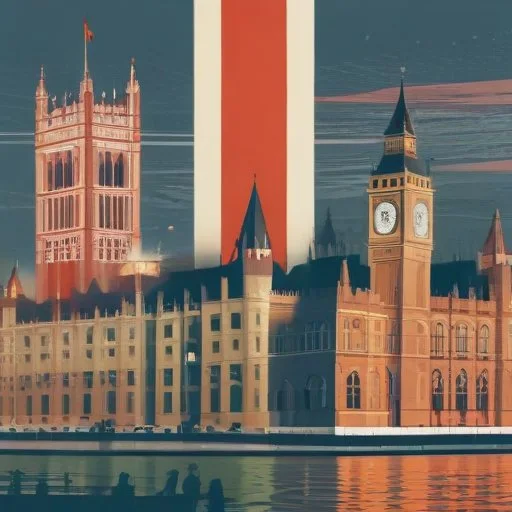
The seeds of this momentous occasion were sown in the mid-13th century, when the English monarchy faced mounting criticism for its authoritarian rule. The nobility and commoners alike were growing restless under the yoke of absolute power, and demands for reform began to gain momentum. Amidst this turmoil, a reform-minded monarch, King Henry III, saw an opportunity to appease his critics and strengthen his own position.
The 1265 parliament was a groundbreaking experiment in representative government. For the first time, the monarch invited representatives from 49 major towns to join the nobility in the Palace of Westminster. These "burgesses," chosen by their communities, brought with them a wealth of local knowledge and practical expertise, injecting a much-needed dose of realism into the hallowed halls of power.
Several figures played instrumental roles in shaping this historic moment. Simon de Montfort, Earl of Leicester, was a vocal advocate for reform and a driving force behind the inclusion of burgesses in the parliament. His influence helped to engineer a more inclusive and representative legislative body.
The Archbishop of Canterbury, Boniface of Savoy, lent his support to the reform efforts, recognizing the importance of giving the people a stake in the governance of the realm.
The ripples from this momentous event spread far and wide, shaping the course of English history. The inclusion of burgesses not only brought a more diverse range of perspectives to the legislative table but also helped to lay the foundations for the development of a more representative and accountable system of government.
The 1265 parliament also had significant cultural and social implications, as the commons began to assert their rights and challenge the traditional authority of the nobility. This newfound sense of empowerment would go on to shape the course of social and political movements for centuries to come.
The 1265 parliament set a precedent for future parliaments, establishing the principle of representation as a cornerstone of English governance. This legacy can be seen in the continued evolution of parliamentary democracy, with the House of Commons emerging as a powerful force in British politics.
In conclusion, the first English parliament of 1265 was a watershed moment in the development of democracy, marking a significant shift towards representative government and paving the way for the growth of parliamentary power in the centuries that followed.
The road to the first English parliament was not an easy one. King Henry III, facing mounting pressure from his nobles and commoners, was forced to take drastic measures to appease his critics. In 1264, the royalist army was defeated at the Battle of Lewes, prompting Henry to call for a new parliament.
This parliament was not just a gathering of nobles, but a representative body comprising burgesses from 49 major towns. The selection process was meticulous, with each town electing two representatives to speak on their behalf. These burgesses were not just figureheads, but influential voices in their respective communities, chosen for their wisdom and integrity.
The journey to Westminster was not without its challenges. Many burgesses had to travel long distances, often on horseback or on foot, to reach the Palace of Westminster. Despite the obstacles, they arrived with a sense of purpose, determined to make their voices heard in the hallowed halls of power.

Simon de Montfort, Earl of Leicester, was a driving force behind the 1265 parliament. A vocal advocate for reform, he had been instrumental in shaping the Provisions of Oxford, a series of reforms aimed at curbing the power of the monarchy.
De Montfort's commitment to reform was unwavering, even in the face of adversity. He was a master strategist, able to rally support among the nobility and commoners alike. His influence extended beyond the realm of politics, with many regarding him as a champion of justice and fairness.
Despite his untimely death at the Battle of Evesham in 1265, de Montfort's legacy lived on, inspiring future generations to fight for their rights and liberties.
The 1265 parliament marked a significant cultural shift in England, as the common people began to assert their rights and challenge the traditional authority of the nobility. This newfound sense of empowerment had far-reaching implications, shaping the course of social and political movements for centuries to come.
The inclusion of burgesses in the parliament also had a profound impact on the cultural landscape. It brought together people from diverse backgrounds, fostering a sense of community and shared purpose. The exchange of ideas and perspectives helped to break down social barriers, paving the way for a more inclusive and representative system of government.

The 1265 parliament took place against the backdrop of a Europe in flux. The Mongol Empire was expanding its reach, while the Crusades had weakened the power of the feudal lords. In this climate of uncertainty, the English monarchy was forced to adapt and reform.
The influence of the Magna Carta, signed in 1215, was still being felt across Europe. The document's emphasis on the rule of law and the protection of individual rights had inspired a new generation of reformers.
In this context, the 1265 parliament was a significant milestone, marking a shift towards a more representative and accountable system of government.
The 1265 parliament marked a significant shift in the balance of power between the monarchy and the nobility. The inclusion of burgesses in the parliament tipped the scales, giving the common people a greater say in the governance of the realm.
The new parliament was not just a talking shop, but a powerful force in shaping the country's laws and policies. The burgesses brought a wealth of practical experience and local knowledge to the table, helping to shape a more responsive and accountable system of government.