


The first flight of Ariane 5, a behemoth of a rocket designed to propel Europe into the forefront of space exploration, ended in a blaze of flames and destruction mere seconds after liftoff. This ill-fated mission, carrying the Cluster satellite suite, was meant to study the Earth's magnetic field, but instead, it became a cautionary tale of software bugs and catastrophic consequences.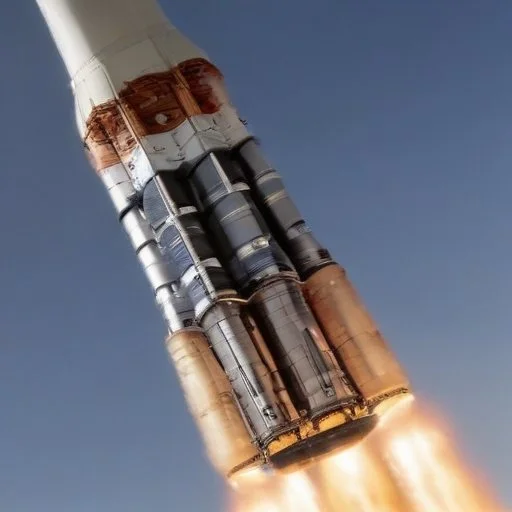
In the early 1990s, the European Space Agency (ESA) embarked on an ambitious project to create a heavy-lift rocket capable of launching massive payloads into geostationary orbit. The resulting Ariane 5, with its sleek design and powerful engines, was hailed as the future of space exploration. But little did anyone know, this debut flight would write a different chapter in the history books.
On June 4, 1996, the Ariane 5 rocket, carrying the Cluster mission, lifted off from the Guiana Space Centre in French Guiana. The excitement was palpable as the rocket soared into the sky, but it was short-lived. Just 37 seconds into the flight, the rocket's onboard computer, infected with a software bug, malfunctioned, causing the destructive sequence of events that would follow.
The bug, later dubbed the "floating-point error," occurred when the rocket's computer tried to convert a 64-bit floating-point number to a 16-bit signed integer. This minute mistake triggered a chain reaction of events, ultimately leading to the rocket's catastrophic demise. It was a lesson in the importance of precision software design, and one that would be etched in the memories of the ESA and the aerospace community forever.
The failure of the Ariane 5's maiden flight sent shockwaves throughout the space community. The ESA faced a massive setback, with the loss of the Cluster mission and the reputational damage that came with it. However, in the aftermath, the agency took drastic measures to overhaul its software development and testing protocols, ensuring that such a disaster would never happen again. The accident served as a wake-up call, prompting the industry to re-evaluate its approach to safety and reliability.
In the face of disaster, the ESA refused to be defeated. The agency regrouped, reassessed, and revitalized its approach to rocket design and development. The lessons learned from the Ariane 5's debut failure paved the way for future successes, including the development of more robust safety protocols and the eventual creation of the reliable Ariane 5 ECA variant.
The failure of the Ariane 5's maiden flight served as a precursor to the development of more robust safety protocols in the aerospace industry. It highlighted the importance of rigorous testing and design validation, paving the way for future successes in space exploration. Today, the ESA continues to push the boundaries of innovation, leveraging the lessons learned from that fateful day in 1996.
The ESA's swift response to the crisis and its commitment to revamping its safety protocols earned the agency a plethora of accolades, including the prestigious 1998 Prix d'Excellence from the French Academy of Sciences.
In the aftermath of the disaster, the ESA worked closely with local authorities to ensure that the environmental impact of the crash was minimized. The agency also collaborated with local schools and educational institutions to promote STEM education and inspire the next generation of space enthusiasts.
As the aerospace industry continues to evolve, the lessons learned from the Ariane 5's debut failure will remain an integral part of its DNA. With the rise of private space companies and reusability, the importance of safety protocols and rigorous testing will only continue to grow, ensuring that space exploration becomes increasingly efficient, reliable, and sustainable.
The Ariane 5's first flight may have been a catastrophic failure, but it paved the way for a brighter future in space exploration. Today, the ESA stands as a testament to the power of perseverance, innovation, and collaboration, inspiring generations to come.
The economic impact of the Ariane 5's maiden flight failure was significant, with estimates suggesting that the loss of the rocket and its payload cost the ESA and its partners around €370 million. The failure also led to a delay in the launch of several commercial satellites, resulting in further revenue losses for the industry.
In the aftermath of the disaster, the ESA faced a major setback in its efforts to establish itself as a major player in the global launch services market. The agency's reputation took a hit, and it struggled to regain the trust of its customers. However, the ESA's swift response to the crisis and its commitment to revamping its safety protocols helped to mitigate the long-term economic impact of the failure.

The Ariane 5's maiden flight failure had a profound cultural impact, serving as a stark reminder of the risks and challenges involved in space exploration. The failure sparked widespread media coverage, with many outlets highlighting the catastrophic consequences of the disaster.
The incident also led to a renewed focus on the importance of safety protocols and risk management in the aerospace industry. It served as a wake-up call, prompting a re-evaluation of the industry's approach to safety and reliability.
The technical impact of the Ariane 5's maiden flight failure was significant, leading to a major overhaul of the rocket's design and testing protocols. The ESA implemented a range of measures to prevent similar failures in the future, including the development of more robust safety protocols and the introduction of new testing procedures.
The failure also led to the development of new software tools and techniques, aimed at preventing similar software bugs from occurring in the future. These innovations have since been adopted by other players in the aerospace industry, helping to improve safety standards across the board.
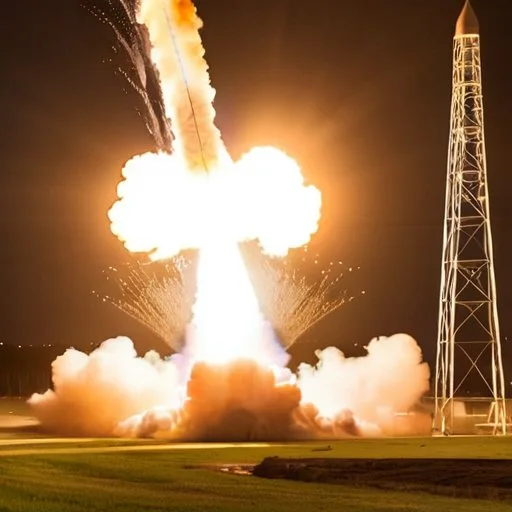
Historians have viewed the Ariane 5's maiden flight failure as a turning point in the development of the European space program. The disaster marked a shift in the ESA's approach to safety and reliability, with the agency placing a greater emphasis on these factors in the design and testing of its rockets.
The failure has also been seen as a symbol of the risks and challenges involved in pushing the boundaries of human knowledge and achievement. It serves as a reminder of the importance of perseverance and innovation in the face of adversity.
The social dynamics surrounding the Ariane 5's maiden flight failure were complex and multifaceted. The disaster led to a significant amount of public scrutiny, with many people questioning the wisdom of investing in space exploration.
However, the ESA's response to the crisis helped to build trust with the public and rebuild confidence in the agency's abilities. The failure also served as a catalyst for greater collaboration and cooperation within the aerospace industry, with different players working together to improve safety standards and prevent similar disasters in the future.