


In the aftermath of World War II, the world was crying out for a new era of international cooperation and diplomacy. On January 10, 1946, that vision took a major step forward as the first General Assembly of the United Nations convened in the iconic Methodist Central Hall in Westminster, London.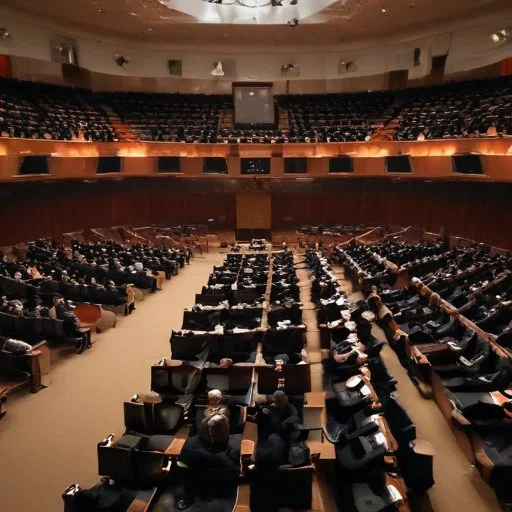
Fifty-one nations were represented at this groundbreaking event, marking the beginning of a new chapter in global relations. The gathering was a testament to the collective desire to learn from the past and work together towards a more peaceful and prosperous future.
The seeds of the United Nations were sown in the final years of World War II. In 1945, the United States, the United Kingdom, and the Soviet Union drafted the UN Charter, which was later signed by 50 countries in San Francisco. The first General Assembly marked the official launch of the organization, with Westminster's Methodist Central Hall providing a fitting backdrop for this historic moment.
The inaugural General Assembly was attended by some of the most influential leaders of the time, including:
The first General Assembly set the tone for the United Nations' future endeavors, establishing key principles and objectives that would guide the organization's work. The assembly's deliberations paved the way for the creation of the UN Security Council, the Economic and Social Council, and the Trusteeship Council, among other vital organs.
In a world still reeling from the devastation of war, the first General Assembly sent a powerful message of unity and cooperation. As the representatives of 51 nations gathered in Westminster, they demonstrated that even in the face of adversity, nations could come together to shape a brighter future.
"The United Nations is not a cure-all for the world's ills, but it is the best device we have yet devised for the prevention of war and the promotion of peace." – Trygve Halvdan Lie, first Secretary-General of the United Nations
January 10, 1946: The first General Assembly of the United Nations convenes in Westminster's Methodist Central Hall.
February 14, 1946: The assembly adopts the UN Charter.
April 25, 1946: The first meeting of the UN Security Council takes place.
The first General Assembly set in motion a series of events that would shape the course of international relations for generations to come. As the United Nations continues to evolve and adapt to the challenges of the modern world, the spirit of cooperation and diplomacy that defined the Westminster assembly remains a beacon of hope for a better future.
Trygve Halvdan Lie, the first Secretary-General of the United Nations, was a Norwegian politician and diplomat who played a crucial role in shaping the organization. Born on July 16, 1896, in Oslo, Norway, Lie was a member of the Norwegian Labour Party and served as the country's Foreign Minister from 1941 to 1946.
Lie's experience in international relations and his commitment to collective security made him an ideal candidate for the top UN post. He was elected as the first Secretary-General of the United Nations in February 1946, and his leadership helped establish the organization's early momentum.
Under Lie's guidance, the UN took its first steps towards becoming a cornerstone of international diplomacy.
In the aftermath of World War II, the world was in a state of flux. The war had redrawn the global political landscape, with the United States and the Soviet Union emerging as superpowers.
The formation of the United Nations was a response to the devastating consequences of the war, and the need for a new international order. The organization's creation was also influenced by the rise of nationalism in various regions, particularly in Asia and Africa.
The UN's founding marked a significant shift in the global balance of power, as the organization sought to promote collective security and cooperation in place of traditional power politics.The UN Charter, signed by 50 countries in San Francisco on June 26, 1945, is a foundational document that outlines the organization's purposes, principles, and structure.
The charter is divided into 19 chapters and 111 articles, covering issues such as sovereignty, non-interference, and human rights.
The UN Charter serves as a guiding light for the organization, providing a framework for member states to work together towards peace, development, and human well-being.
The United Nations faced significant challenges in its early years, as the organization navigated the complex web of great power politics.
The Soviet Union, in particular, was skeptical of the UN's ability to promote collective security, and the country's veto power in the Security Council created tensions with the United States and other Western nations.
The UN's ability to navigate these challenges was crucial in establishing its credibility as an effective international organization.The United Nations played a significant role in shaping the post-war economic order, as the organization sought to promote international cooperation and development.
The UN's Economic and Social Council (ECOSOC) was established in 1946 to promote economic growth, social progress, and human well-being.
The UN's economic initiatives helped lay the groundwork for the Bretton Woods system, which established the International Monetary Fund (IMF) and the World Bank.