


The first National March on Washington for Lesbian and Gay Rights was a groundbreaking event that drew approximately 100,000 people to the nation's capital, marking a pivotal moment in the fight for LGBTQ+ equality and justice. This historic gathering on October 14, 1979, sent a resounding message to the government, society, and the world that lesbian and gay individuals would no longer be silenced, marginalized, or ignored.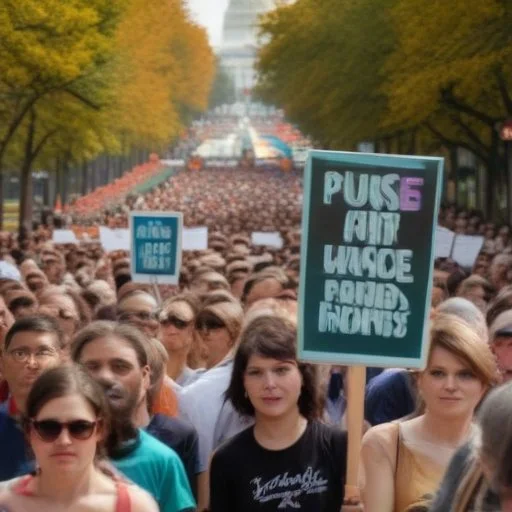
In the years leading up to the march, the LGBTQ+ community faced rampant discrimination, police brutality, and general indifference from the government. The Stonewall riots in 1969, sparked by a police raid on a gay bar in New York City, had galvanized the community to take action. In 1978, California State Senator John Briggs introduced Proposition 6, which aimed to ban LGBTQ+ individuals from working in California's public schools. This move led to widespread outrage and activism, ultimately paving the way for the march.
The march was orchestrated by a coalition of LGBTQ+ organizations, including the National Gay Task Force, the Human Rights Campaign, and the Gay Activists Alliance. Key figures involved in the planning and execution of the event included:
In the months leading up to the march, organizers worked tirelessly to secure permits, coordinate logistics, and rally support from across the country. On the day of the event:
The 1979 National March on Washington for Lesbian and Gay Rights was a resounding success, achieving:
The march had a profound impact on American culture and society, paving the way for:
For many attendees, the march was a life-changing experience, marked by moments of fear, excitement, and triumph. As one marcher recalled:
"I remember feeling like I was part of something bigger than myself, something that would change the course of history. We were no longer just individuals; we were a movement."
The 1979 National March on Washington for Lesbian and Gay Rights set the stage for:
The 1979 National March on Washington for Lesbian and Gay Rights has been recognized as a pivotal moment in the fight for LGBTQ+ equality, earning:
The 1979 National March on Washington for Lesbian and Gay Rights was a beacon of hope, resilience, and determination, illuminating a path forward for LGBTQ+ individuals and allies. As we continue to strive for a more just and equal society, this historic event reminds us of the power of collective action, the importance of community, and the unyielding spirit of the human quest for freedom and dignity.
Jean O'Leary was a trailblazing lesbian activist who played a crucial role in organizing the 1979 National March on Washington for Lesbian and Gay Rights. As the co-director of the National Gay Task Force, O'Leary worked tirelessly to promote LGBTQ+ rights and visibility.
Born in 1940, O'Leary grew up in a traditional Catholic family but began questioning her sexuality from an early age. She came out as a lesbian in the 1960s and quickly became involved in the burgeoning gay rights movement.
O'Leary's leadership and organizational skills were instrumental in bringing together the diverse coalition of LGBTQ+ organizations that made the march possible. Her tireless advocacy and dedication to the cause inspired countless others to join the fight for equality.

The 1979 National March on Washington for Lesbian and Gay Rights had a profound impact on LGBTQ+ culture, paving the way for a new era of visibility, creativity, and community.
The march inspired a wave of LGBTQ+-themed art, literature, and music, as well as the development of queer identity and expression. It also spurred the growth of LGBTQ+ media and publications, including The Advocate and Out magazine.
The event's influence extended to the fashion world, with many marchers embracing bold, expressive styles that defied traditional gender norms. The iconic rainbow flag, designed by Gilbert Baker, became a ubiquitous symbol of LGBTQ+ pride and unity.
The 1979 National March on Washington for Lesbian and Gay Rights was the culmination of years of activism and organizing within the LGBTQ+ community.
In 1969, the Stonewall riots in New York City galvanized the gay rights movement, inspiring protests and demonstrations across the country. The 1970s saw the rise of LGBTQ+ organizations, including the Gay Liberation Front and the Human Rights Campaign.
In 1978, California State Senator John Briggs introduced Proposition 6, which aimed to ban LGBTQ+ individuals from working in public schools. The subsequent outcry and activism helped mobilize support for the national march.

The 1979 National March on Washington for Lesbian and Gay Rights was rooted in a powerful philosophy of liberation, which emphasized the importance of self-acceptance, community empowerment, and collective action.
Key figures like Jean O'Leary and Robin Tyler drew inspiration from feminist, civil rights, and anti-war movements, applying these principles to the LGBTQ+ struggle for equality.
The march's core values – including visibility, solidarity, and resistance to oppression – continue to shape the LGBTQ+ movement today, informing its activism, advocacy, and identity.
The 1979 National March on Washington for Lesbian and Gay Rights was a testament to the power of unity in diversity, as LGBTQ+ individuals from all walks of life came together to demand equality and justice.
The march brought together people of different races, genders, ages, and socioeconomic backgrounds, creating a vibrant tapestry of experiences and perspectives.
This diversity was reflected in the march's speakers, who included lesbian feminists, gay men of color, and transgender activists, among others. The event's inclusive spirit helped lay the groundwork for a more diverse and robust LGBTQ+ movement.