


The first of the Nixon Interviews, a series of 12 taped conversations, marks a historic moment when former United States President Richard Nixon faced intense scrutiny from British journalist David Frost about the Watergate scandal and the Nixon tapes. Recorded over four weeks, these interviews would shatter the silence surrounding Nixon's darkest hour, forcing him to confront the weight of his own legacy.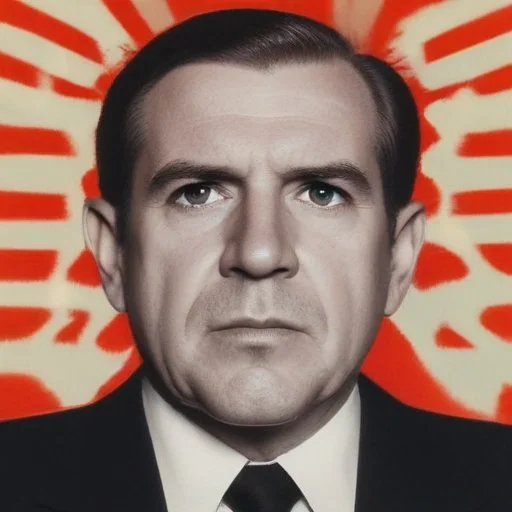
David Frost: A seasoned British journalist known for his in-depth reporting and piercing questioning style. Frost's relentless pursuit of truth would be the driving force behind the interviews.
Richard Nixon: The 37th President of the United States, whose tenure was marred by the Watergate scandal. Nixon's stubborn denials and evasive tactics would be put to the test by Frost's probing questions.
Over four weeks, Frost and Nixon engaged in a series of intense, sometimes heated, conversations. Frost's dogged determination to uncover the truth behind the Watergate scandal pushed Nixon to the limits of his carefully constructed defenses. The interviews would become a masterclass in journalistic interrogation, as Frost probed Nixon's motives, actions, and accountability.
The Nixon Interviews had far-reaching consequences, both for the former President and the nation as a whole:
The Nixon Interviews sparked intense debate and criticism, with some arguing that Frost was too soft on Nixon, while others praised the journalist's tenacity. The interviews also raised questions about the ethics of paying for an interview, as Frost had done, and the impact on the public's perception of Nixon's legacy.
The Nixon Interviews remain a landmark moment in American history, offering a unique glimpse into the mind of a fallen leader. The interviews continue to inspire journalists and inform the public about the importance of accountability and transparency in government.
"When the president does it, that means that it is not illegal." - Richard Nixon
"I gave them a sword, and they stuck it in. And they twisted it with relish." - David Frost, on Nixon's response to the Watergate scandal
The Nixon Interviews serve as a powerful reminder of the importance of a free press in holding those in power accountable. As a testament to the enduring power of journalistic inquiry, the interviews continue to captivate audiences, offering a timely reminder of the importance of truth, transparency, and accountability in public life.
David Frost's journalistic career spanned over four decades, during which he interviewed some of the most influential figures of the 20th century. Born on April 7, 1939, in Kent, England, Frost developed an interest in journalism at an early age. He began his career as a reporter for the Bristol Times and eventually moved to television, where he became known for his incisive questioning style.
Frost's fascination with politics and power led him to interview numerous world leaders, including former British Prime Minister Harold Wilson and Soviet Premier Alexei Kosygin. His experience and reputation as a seasoned journalist made him the ideal candidate to conduct the Nixon interviews.

The Watergate scandal was a complex web of deceit and corruption that began in June 1972, when five men broke into the Democratic National Committee headquarters at the Watergate complex in Washington, D.C. The scandal eventually led to the resignation of President Richard Nixon, but the full extent of the scandal was not immediately clear.
As the investigation unfolded, it became apparent that the break-in was just the tip of the iceberg. The White House was involved in a massive cover-up, and Nixon's closest aides were implicated in the scandal. The discovery of the Nixon tapes in July 1973 further implicated the President, eventually leading to his resignation in August 1974.
The Nixon interviews were a groundbreaking moment in American history, but they were not the first time a President had faced scrutiny over a scandal. The interviews can be compared to other presidential scandals, such as the Teapot Dome scandal during the presidency of Warren G. Harding or the Iran-Contra affair during the presidency of Ronald Reagan.
While the Nixon interviews were a unique moment in American history, they share similarities with other scandals in terms of the shock and outrage they inspired in the American public. The interviews served as a model for future investigations into presidential misconduct, setting a new standard for journalistic integrity and accountability.
The Nixon interviews had a profound impact on American culture, symbolizing a shift in the nation's perception of power and accountability. The interviews marked a turning point in the way Americans viewed their leaders, forcing them to confront the reality of corruption and deception in high places.
The interviews also inspired a new wave of investigative journalism, encouraging reporters to take a more critical approach to reporting on those in power. The impact of the interviews can be seen in popular culture, with films and television shows often referencing the scandal and its aftermath.
The Nixon interviews had significant political ramifications, both for Nixon's presidency and for the Republican Party as a whole. The interviews marked a turning point in the Watergate scandal, forcing Nixon to confront the weight of his own legacy and ultimately leading to his resignation.
The interviews also had a lasting impact on American politics, setting a new standard for transparency and accountability in government. The scandal and the subsequent interviews led to reforms in campaign finance and election laws, and paved the way for future investigations into political corruption.