First Soviet thermonuclear bomb test "RDS-6s" (Joe 4)
Soviet scientists pushed the nuclear envelope with the "RDS-6s" (Joe 4) test, detonating their first thermonuclear bomb using a "layered" scheme. This hybrid uranium-deuterium design allowed for a massive 400-kiloton yield, surpassing the Americans' first thermonuclear test just a year prior. The successful experiment marked a major milestone in the Soviet atomic bomb project, propelling the USSR into the thermonuclear age and solidifying its position as a nuclear superpower.
The Dawn of the Thermonuclear Age: RDS-6s Joe 4 Test
On August 12, 1953, the Soviet Union achieved a monumental milestone in its atomic bomb project with the successful detonation of the RDS-6s Joe 4, its first thermonuclear bomb. This groundbreaking test marked a significant leap in nuclear technology, propelling the USSR into the thermonuclear age and solidifying its position as a nuclear superpower.
The Historical Context
The Soviet atomic bomb project was initiated in the aftermath of World War II, with the primary goal of developing a nuclear deterrent to counter the United States' atomic monopoly. The project was led by a team of renowned scientists, including
Igor Kurchatov, Andrey Sakharov, and
Igor Tamm, who worked tirelessly to overcome the technical challenges and political hurdles that stood in their way.
The RDS-6s Joe 4 Test
The RDS-6s Joe 4 test was a culmination of years of research and development, and it marked a significant departure from the traditional atomic bomb design. The Soviet scientists had developed a hybrid uranium-deuterium design, which employed a layered scheme to achieve a massive 400-kiloton yield. This innovative approach enabled the RDS-6s Joe 4 to surpass the Americans' first thermonuclear test, conducted just a year prior.
Key Figures Involved
- Igor Kurchatov: The father of the Soviet atomic bomb project, Kurchatov played a crucial role in the development of the RDS-6s Joe 4.
- Andrey Sakharov: A prominent physicist and Nobel laureate, Sakharov made significant contributions to the development of the Soviet hydrogen bomb.
- Igor Tamm: A leading physicist and mathematician, Tamm worked closely with Sakharov to develop the theoretical foundations of the thermonuclear bomb.
Major Outcomes and Impacts
The RDS-6s Joe 4 test had far-reaching consequences, both domestically and internationally.
- The test solidified the Soviet Union's position as a nuclear superpower, cementing its status as a major player in the global arena.
- The successful development of the thermonuclear bomb boosted the Soviet nuclear arsenal, providing a significant deterrent against potential adversaries.
- The test marked a significant shift in the nuclear arms race, prompting the United States to accelerate its own hydrogen bomb development program.
Personal Accounts and Anecdotes
Andrey Sakharov recalled the sense of excitement and trepidation that pervaded the team in the days leading up to the test:
"We knew that we were on the threshold of something momentous, something that would change the course of history. But we also knew that we were playing with fire, that the consequences of our actions could be catastrophic."
Impact on Future Events
The RDS-6s Joe 4 test paved the way for the development of more advanced nuclear weapons, including the Tsar Bomba, the most powerful nuclear device ever detonated. The test also spurred the development of international arms control agreements, such as the Partial Test Ban Treaty, aimed at limiting the proliferation of nuclear weapons.
Trivia and Fun Facts
- The RDS-6s Joe 4 test was codenamed "K" in Soviet documents, leading to its nickname "K-bomb".
- The test was conducted at the Semipalatinsk Test Site in Kazakhstan, which would go on to become one of the most prolific nuclear testing grounds in the world.
- The Soviet Union's nuclear program was shrouded in secrecy, with many details of the RDS-6s Joe 4 test remaining classified for decades after the event.
The RDS-6s Joe 4 test marked a significant turning point in the nuclear arms race, cementing the Soviet Union's status as a nuclear superpower and propelling the world into the thermonuclear age. Its legacy continues to shape international relations and inform nuclear policy to this day.
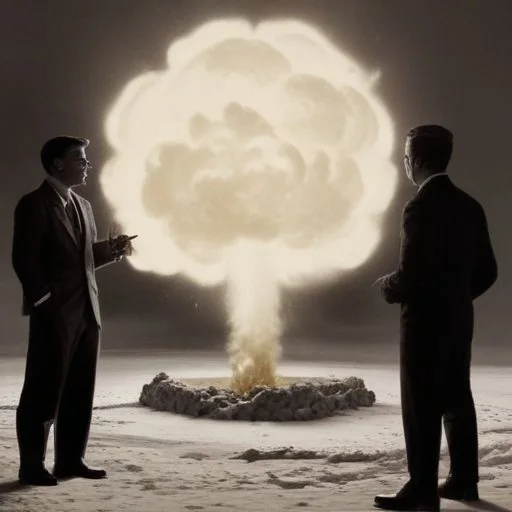
Comprehensive Geopolitical Review
Geopolitical Context
The RDS-6s Joe 4 test was conducted during a period of heightened tensions between the Soviet Union and the United States. The Cold War was in full swing, and the nuclear arms race was intensifying. The Soviet Union's successful detonation of the thermonuclear bomb sent a clear message to the Western world that it was a force to be reckoned with.
In the years leading up to the test, the Soviet Union had been steadily building its nuclear capabilities, driven in part by the fear of American aggression. The development of the thermonuclear bomb was seen as a necessary step to maintain parity with the United States and to deter any potential aggression.
The test marked a significant shift in the global balance of power, as the Soviet Union emerged as a nuclear superpower.
Character Overview
Character Profile: Igor Kurchatov
Igor Kurchatov was a Soviet physicist who played a crucial role in the development of the RDS-6s Joe 4 thermonuclear bomb. Nicknamed "The Father of the Soviet Atomic Bomb", Kurchatov was a brilliant scientist who led the Soviet atomic bomb project from its inception.
Kurchatov's leadership and vision were instrumental in overcoming the technical challenges that stood in the way of developing a thermonuclear bomb. He was a highly respected figure in the Soviet scientific community, and his contributions to the development of the RDS-6s Joe 4 earned him numerous accolades, including the title of Hero of Socialist Labor.
Kurchatov's tireless efforts and dedication to the Soviet atomic bomb project left a lasting legacy in the field of nuclear physics.
Comprehensive Technological Influence Study
Technological Impact Analysis
The RDS-6s Joe 4 test marked a significant milestone in the development of nuclear technology. The successful detonation of the thermonuclear bomb demonstrated the Soviet Union's mastery of complex nuclear reactions and its ability to harness the power of fusion.
The test paved the way for the development of more advanced nuclear weapons, including the Tsar Bomba, the most powerful nuclear device ever detonated. The RDS-6s Joe 4 test also spurred the development of international arms control agreements, aimed at limiting the proliferation of nuclear weapons.
The technological advancements achieved by the Soviet Union during the RDS-6s Joe 4 test had far-reaching consequences, shaping the course of nuclear physics and informing nuclear policy for decades to come.
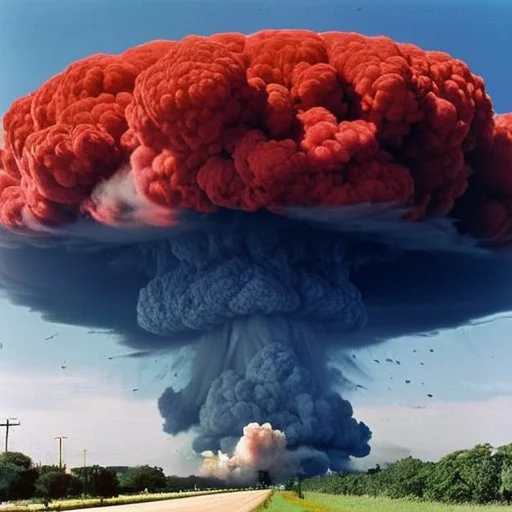
Rich Environmental Impact Review
Environmental Impact Study
The RDS-6s Joe 4 test had a significant environmental impact, both locally and globally. The test was conducted at the Semipalatinsk Test Site in Kazakhstan, which became one of the most contaminated nuclear testing grounds in the world.
The test released radioactive fallout into the atmosphere, contaminating the surrounding area and affecting the local population. The environmental impact of the test was exacerbated by the lack of safety measures and the secrecy surrounding the test, which made it difficult to assess the full extent of the damage.
The RDS-6s Joe 4 test highlighted the need for greater environmental responsibility and safety measures in the development and testing of nuclear weapons.
Scientific Influence Examination
Social Change Dynamics
The RDS-6s Joe 4 test had a profound impact on society, fuelling fears of nuclear war and sparking a wave of anti-nuclear protests and movements. The test marked a significant shift in public perception, as the reality of nuclear war became more tangible.
The test also led to a re-evaluation of national security policies, as governments began to prioritize disarmament and arms control agreements. The RDS-6s Joe 4 test played a significant role in shaping the social and political landscape of the Cold War era.
The test served as a catalyst for social change, inspiring a new generation of activists and policymakers to work towards a more peaceful and nuclear-free world.


