


The Battle of Bannockburn, fought on June 23-24, 1314, is remembered as a pivotal moment in the First War of Scottish Independence, where the valiant forces of Scotland, led by the visionary King Robert the Bruce, dealt a crushing blow to the English army, securing a resounding victory that would shape the course of Scottish history.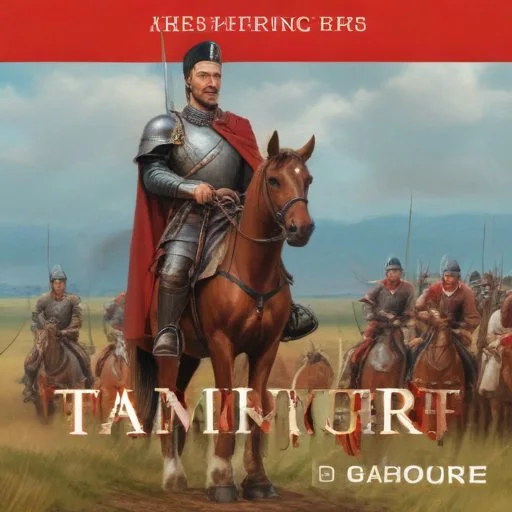
In the late 13th century, Scotland was torn apart by internal strife and the looming threat of English domination. The Scots, determined to assert their independence, rose up against their neighbors to the south. The First War of Scottish Independence, sparked by the English invasion of Scotland in 1296, had been raging for decades, with both sides suffering heavy losses and setbacks.
King Robert the Bruce, a skilled military strategist and charismatic leader, played a crucial role in the Battle of Bannockburn. Having faced exile, betrayal, and defeat, Bruce rallied his forces, injecting new life into the Scottish cause. His unwavering determination and tactical brilliance would prove decisive in the upcoming battle.
The English army, led by King Edward II, boasted a formidable force of over 15,000 men, including heavily armored knights and archers. In contrast, the Scottish army, although outnumbered, was comprised of fierce warriors, many of whom were veterans of the guerrilla warfare that had characterized the war thus far. The Scots employed innovative tactics, such as the use of caltrops (four-pointed spikes) to hinder the English cavalry and the formation of schiltron ( dense, impenetrable formations of long spears) to neutralize the enemy's archers.
The battle raged on for two days, with the Scots repelling wave after wave of English assaults. On the second day, the English army, exhausted and demoralized, retreated in disarray, leaving behind hundreds of dead and wounded soldiers. The Scots, elated by their victory, had lost relatively few men, cementing their reputation as a formidable force to be reckoned with.
The Battle of Bannockburn has been immortalized in Scottish folklore, with the bravery and cunning of Robert the Bruce and his warriors serving as a source of national pride. The battle has inspired countless works of literature, art, and music, solidifying its place in the Scottish cultural heritage.
The Battle of Bannockburn continues to inspire generations of Scots and non-Scots alike, serving as a testament to the power of determination, strategic thinking, and bravery in the face of overwhelming odds. As a symbol of Scottish resilience and independence, the battle remains an integral part of Scotland's rich history and cultural identity.
In the words of King Robert the Bruce, "Freedom alone is what I desire, and I will have it, or I will die in the pursuit of it."
The First War of Scottish Independence continued to rage on for several more years, ultimately culminating in the Treaty of Edinburgh-Northampton in 1328, which recognized Scotland's independence and sovereignty. The legacy of the Battle of Bannockburn, however, endures, reminding us of the indomitable spirit of a nation that refused to surrender in the face of adversity.
From humble beginnings as the Earl of Carrick to becoming the King of Scotland, Robert the Bruce's journey was marked by intrigue, betrayal, and redemption. Exiled, hunted, and forced to flee to Ireland, Bruce's determination to reclaim his throne fueled his quest for independence.
With the murder of his rival, John Comyn, in 1306, Bruce's path to the throne was cleared. He was crowned King Robert I of Scotland in 1307, sparking a new wave of resistance against English rule.
The Battle of Bannockburn inspired a rich cultural legacy, including the famous Bannockburn Ballad, a poetic tribute to the bravery of the Scottish warriors. This medieval poem, passed down through oral tradition, celebrates the victory and immortalizes the heroes of the battle.
The ballad's verse, "Scots, wha hae wi' Wallace bled, / Scots, wham Bruce has aften led," has become an iconic expression of Scottish national identity, echoing through the centuries.
The First War of Scottish Independence unfolded against a backdrop of shifting alliances and rivalries between European powers. The Kingdom of England, under the Plantagenet dynasty, was locked in a struggle for dominance with France, while the Scottish Crown sought to assert its independence from English rule.
The Battle of Bannockburn occurred during a brief window of opportunity, as the attention of European powers was focused on the Hundred Years' War between England and France, allowing the Scots to seize the initiative and secure their victory.
Historical accounts of the Battle of Bannockburn have been shaped by the biases and agendas of chroniclers and historians across the centuries. From the medieval Scottish chronicler, John of Fordun, to the 19th-century historian, Thomas Carlyle, each has brought their own interpretation to the battle, influencing our understanding of this pivotal event.
A closer examination of the primary sources and historical narratives reveals a complex tapestry of competing narratives, highlighting the ongoing quest for accuracy and objectivity in reconstructing the past.
The Battle of Bannockburn offers a rich pedagogical opportunity to explore themes of national identity, warfare, and independence. Educators can use this pivotal event to illustrate the complexities of medieval history, encouraging students to critically evaluate primary sources and develop a deeper understanding of the past.
By incorporating engaging multimedia resources, interactive simulations, and immersive learning experiences, teachers can bring the battle to life, inspiring a new generation of students to explore the history of Scotland.