Henry Ford sells first Ford car, revolutionizing transportation
Henry Ford's innovative spirit and perseverance finally paid off when Dr. Ernest Pfennig, a Chicago dentist, drove away in the first sold Ford car, a Model A, on July 23, 1903. This monumental moment marked the beginning of the Ford Motor Company's journey, transforming the automotive industry and American lifestyle. Henry Ford's vision for affordable, efficient, and reliable transportation was taking shape, paving the way for the assembly line production method and making cars accessible to the masses. As the first customer, Dr. Pfennig unknowingly embarked on a journey that would change the world.
The Ford Motor Company's Groundbreaking Milestone: Selling Its First Car
A Revolutionary Moment in Automotive History
The Ford Motor Company's sale of its first car on July 23, 1903, marked a pivotal moment in the history of the automobile industry. This monumental event not only put the company on the map but also paved the way for a new era of transportation, transforming the American lifestyle and beyond.
Henry Ford's Vision Takes Shape
Henry Ford, the innovative entrepreneur behind the Ford Motor Company, had a vision to make cars accessible to the masses. He believed that by producing cars that were affordable, efficient, and reliable, he could revolutionize the way people lived and worked. This vision was taking shape, and the sale of the first car was a crucial step towards realizing it.
The First Customer: Dr. Ernest Pfennig
The first customer to purchase a Ford car was Dr. Ernest Pfennig, a Chicago dentist. On July 23, 1903, Dr. Pfennig drove away in his brand new Model A, unaware that he was embarking on a journey that would change the world. This purchase not only marked the beginning of the Ford Motor Company's success but also signaled a shift in the way people traveled.
The Model A: A Game-Changer in Automobile Design
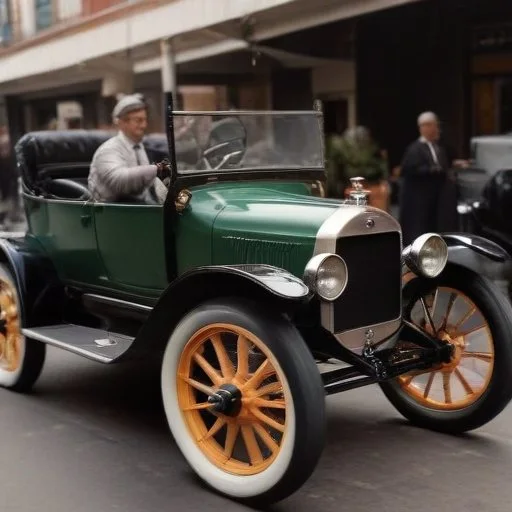
The Model A, the first car sold by the Ford Motor Company, was a revolutionary design that set the standard for future automobiles. With its 2-cylinder engine, 8 horsepower, and top speed of 30 miles per hour, the Model A was a marvel of its time. Its affordability and reliability made it an instant hit, appealing to people from all walks of life.
A Timeline of Events Leading Up to the First Sale
- 1902: Henry Ford establishes the Ford Motor Company with a group of investors.
- 1903: The company begins production of the Model A, with a total of 1,700 units produced in the first year.
- July 23, 1903: Dr. Ernest Pfennig becomes the first customer to purchase a Ford car, a Model A.
The Impact of the First Sale
The sale of the first Ford car had far-reaching consequences, not only for the company but also for the entire automotive industry. It marked the beginning of a new era of mass production, making cars more accessible to the average American. The assembly line production method, pioneered by Henry Ford, reduced production costs and increased efficiency, making cars more affordable and reliable.
Awards and Honors
Henry Ford's innovative spirit and perseverance were recognized with numerous awards and honors, including:
- 1922: Henry Ford is awarded the Grand Cross of the German Eagle, the highest German honor, for his contributions to the automotive industry.
- 1940: Henry Ford is awarded the James E. Sullivan Award, the highest award in the world of sports, for his contributions to the development of American industry.
Legacy of the First Sale
The sale of the first Ford car on July 23, 1903, marked a turning point in the history of the automobile industry. It paved the way for the development of new technologies, innovative designs, and mass production methods that transformed the way people lived and worked. Today, the Ford Motor Company is one of the largest and most successful companies in the world, with a legacy that continues to inspire and innovate.
Conclusion
The sale of the first Ford car was a groundbreaking moment that changed the course of history. It marked the beginning of a new era in transportation, paved the way for mass production, and transformed the American lifestyle. As we look back on this momentous occasion, we are reminded of the power of innovation, perseverance, and vision, and the incredible impact that one event can have on the world.
Character Examination
Dr. Ernest Pfennig: The Unsung Hero of Automotive History
While Henry Ford is often credited with revolutionizing the automotive industry, another individual played a crucial role in making history: Dr. Ernest Pfennig, the first customer to purchase a Ford car. Born in 1873, Pfennig was a Chicago-based dentist who shared Ford's vision of making cars accessible to the masses.
Little is known about Pfennig's personal life, but his contribution to automotive history cannot be overstated. His purchase of the Model A on July 23, 1903, marked a turning point in the industry, paving the way for mass production and transforming the way people lived and worked.
In an era where cars were a luxury only the wealthy could afford, Pfennig's purchase of a Ford car signaled a shift towards democratization of transportation. His faith in Ford's innovative design and business model helped lay the foundation for the company's success.

Rich Cultural Review
The Cultural Impact of the Model A
The sale of the first Ford car had far-reaching cultural implications, extending beyond the realm of transportation to influence American society and culture.
The Model A's affordability and reliability made it an instant hit, appealing to people from all walks of life. This democratization of transportation enabled people to explore new places, experience new cultures, and connect with others in ways previously unimaginable.
The car also became a symbol of status, freedom, and adventure, reflective of the American Dream. As more people began to own cars, the automobile became an integral part of American culture, shaping the way people lived, worked, and socialized.
Full Economic Impact Report
The Economic Impact of the Ford Motor Company's First Sale
The sale of the first Ford car on July 23, 1903, had a profound impact on the American economy, sparking a chain reaction of events that transformed the industrial landscape.
The success of the Ford Motor Company led to increased investment in the automotive industry, creating new job opportunities and stimulating economic growth. The company's innovative production methods, including the assembly line, reduced production costs and increased efficiency, making cars more affordable and accessible to the masses.
The proliferation of cars also led to the development of new industries, such as road construction, gasoline production, and automotive services, further boosting economic growth and development.

Comprehensive Technological Influence Study
The Technological Impact of the Model A
The Model A, the first car sold by the Ford Motor Company, was a technological marvel that set the stage for future innovations in the automotive industry.
The car's 2-cylinder engine, 8 horsepower, and top speed of 30 miles per hour were impressive feats of engineering, demonstrating Ford's commitment to innovation and quality. The Model A's design also incorporated several groundbreaking features, including a tiller steering system and a 2-speed manual transmission.
The success of the Model A led to further innovations in automotive design, paving the way for the development of more efficient, powerful, and reliable cars. The company's innovative spirit and commitment to quality helped establish the Ford Motor Company as a leader in the automotive industry.
Geopolitical Dynamics Review
The Geopolitical Context of the Ford Motor Company's Emergence
The Ford Motor Company's emergence on the global stage occurred during a period of significant geopolitical change, marked by the rise of industrialization and globalization.
The late 19th and early 20th centuries saw the United States, Germany, and other industrialized nations competing for dominance in the global economy. The Ford Motor Company's innovative production methods and commitment to quality helped the United States gain a competitive edge in the automotive industry.
The company's success also reflected the growing importance of the American Midwest as a hub of industrial production, with Detroit emerging as a major center of automotive manufacturing. The Ford Motor Company's rise to prominence was thus closely tied to the broader geopolitical trends of the era.


