


In a historic and unprecedented move, former US President Donald Trump has been indicted on federal charges of misusing classified information, sending shockwaves throughout the nation's political landscape. This momentous event marks the first time a former US President has faced federal indictment, raising critical questions about national security, political accountability, and the rule of law.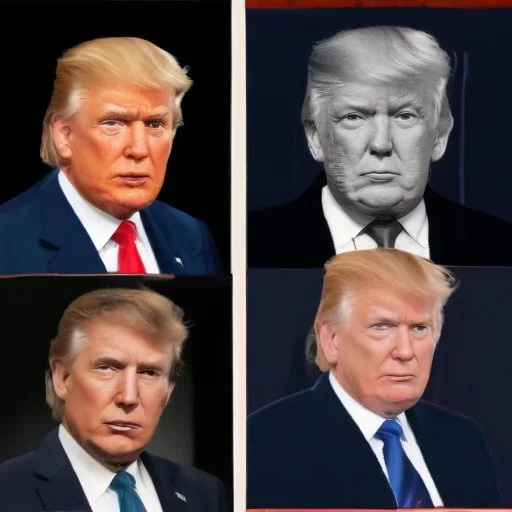
Trump's presidency, marked by controversy and political polarization, has been no stranger to scandal and debate. From the earliest days of his campaign to the final hours of his presidency, Trump's actions have consistently pushed the boundaries of political norms and protocols. The indictment on federal charges of misusing classified information is merely the latest chapter in a long narrative of contentious decisions and disputed actions.
The indictment alleges that Trump mishandled sensitive information, breaching the trust and security of the nation. The charges are based on allegations that Trump retained and mishandled classified documents, potentially compromising national security and putting the country at risk. The severity of these allegations cannot be overstated, as they strike at the heart of the President's most fundamental responsibility: protecting the nation and its citizens.
At the center of the investigation is Jack Smith, a seasoned prosecutor with a reputation for taking on high-profile cases. Appointed as special counsel by Attorney General Merrick Garland, Smith has been tasked with overseeing the investigation into Trump's handling of classified documents. Trump, meanwhile, has consistently denied any wrongdoing, labeling the investigation a "witch hunt" and vowing to fight the charges.
The saga began in January 2021, when Trump departed the White House, leaving behind a trail of controversy and unanswered questions. In the months that followed, concerns mounted about Trump's handling of sensitive documents, with reports emerging of classified materials being removed from the White House. The investigation gained momentum in August 2022, when the FBI executed a search warrant at Trump's Mar-a-Lago estate, seizing numerous documents and sparking a firestorm of debate.
The indictment has sent shockwaves throughout the nation, with political leaders, pundits, and citizens alike weighing in on the implications of this unprecedented event. While some hail the move as a vital step toward accountability and the rule of law, others see it as a politically motivated attack on Trump and his supporters. As the nation grapples with the fallout, one thing is clear: Trump's indictment has forever altered the landscape of American politics.
The indictment has touched a nerve, revealing deep-seated divisions within American society. While Trump's die-hard supporters remain steadfast in their defense, critics see the move as long overdue justice. The debate has become a cultural phenomenon, with memes, hashtags, and protests erupting across social media platforms. As the nation struggles to come to terms with this unprecedented event, one thing is clear: the indictment has become a lightning rod for the nation's anxieties, fears, and hopes.
As the nation navigates this uncharted territory, historians and pundits are scrambling to find precedents. From Richard Nixon's resignation to Bill Clinton's impeachment, the indictment of a former President raises important questions about accountability and the limits of executive power. One thing is certain, however: Trump's indictment has set a new standard for presidential accountability, forever changing the way we think about the relationship between the President and the law.
As the legal proceedings unfold, one thing is certain: the nation is in uncharted territory. Will Trump's indictment pave the way for a new era of accountability, or will it further polarize an already divided nation? One thing is clear: the road ahead will be filled with twists, turns, and surprises. Buckle up, America – the Trump indictment saga is far from over.
With a reputation for taking on high-profile cases, Jack Smith is no stranger to the spotlight. As the special counsel appointed by Attorney General Merrick Garland, Smith has been tasked with overseeing the investigation into Trump's handling of classified documents. A veteran prosecutor with years of experience, Smith has built a career on his ability to navigate complex cases and bring those in power to justice.
Smith's approach to the investigation has been marked by a dogged determination to uncover the truth, earning him praise from legal experts and criticism from Trump supporters. As the investigation continues to unfold, one thing is clear: Smith's reputation as a fierce and fair prosecutor will be put to the test.
The indictment of Donald Trump has sent shockwaves through American culture, sparking a heated debate about accountability and the rule of law. For many, the move represents a long-overdue reckoning with the excesses of executive power, while others see it as a politically motivated attack on the former President.
As the nation grapples with the implications of this unprecedented event, artists, writers, and musicians are weighing in on the cultural significance of Trump's indictment. From memes and hashtags to protest songs and political cartoons, the indictment has become a cultural touchstone, reflecting the nation's anxieties, fears, and hopes.
In the wake of Trump's indictment, historians and pundits are scrambling to find precedents. One obvious point of comparison is Richard Nixon's resignation in 1974, the only time a US President has ever resigned from office. While the circumstances are different, the parallels are striking: both involved allegations of abuse of power and a breach of public trust.
But while Nixon's resignation was seen as a noble act of accountability, Trump's indictment has sparked a fierce political backlash. The comparison raises important questions about accountability, the limits of executive power, and the role of the presidency in American democracy.
As historians, we are trained to understand the complexities of the past and the present. The indictment of Donald Trump is a pivotal moment in American history, and scholars are weighing in on its significance. From presidential historians to legal experts, the consensus is clear: this is a momentous event that will have far-reaching implications for the presidency and American democracy.
Historians point to the indictment as a turning point in the evolution of presidential power, marking a new era of accountability and restraint. Others see it as a warning sign, highlighting the dangers of unchecked executive power and the importance of congressional oversight.
The indictment of Donald Trump has sent shockwaves through the political establishment, sparking a heated debate about accountability, political polarization, and the rule of law. As the nation grapples with the implications of this unprecedented event, political analysts are trying to make sense of the fallout.
From the immediate impact on the 2024 presidential election to the long-term effects on the Republican Party, the indictment has the potential to reshape the political landscape. Will it galvanize Trump's supporters or further divide the nation? One thing is clear: the political consequences will be far-reaching and profound.