


The Lapua ammunition factory explosion, which occurred on April 13, 1976, is remembered as the deadliest accidental disaster in modern Finnish history, claiming the lives of 40 workers and leaving an indelible mark on the nation's psyche.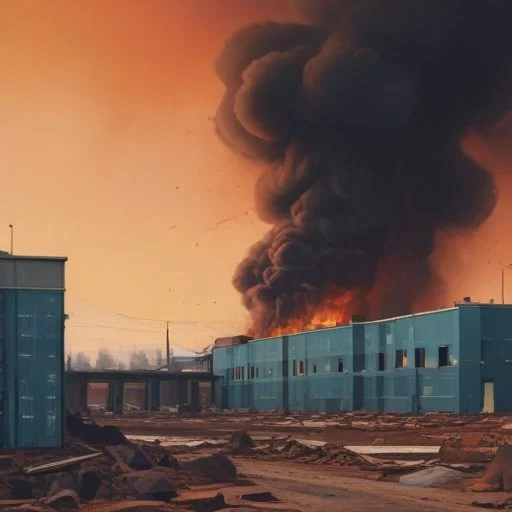
This catastrophic event, which still puzzles investigators to this day, remains shrouded in mystery, with the exact cause of the blast unknown. Despite the lack of clarity surrounding the incident, the impact of the tragedy was far-reaching, affecting not only the families of the victims but also the entire community of Lapua.
In the aftermath of World War II, Finland's ammunition industry experienced a period of rapid growth, driven by the country's strategic location between East and West. The Lapua ammunition factory, established in 1923, played a crucial role in this growth, providing critical supplies to the Finnish military. By the 1970s, the factory had become one of the largest employers in the region, with a workforce of over 1,000 people.
On April 13, 1976, at approximately 2:45 pm, a series of explosions rocked the Lapua ammunition factory, sending shockwaves throughout the facility. The blasts occurred in the factory's loading and packing department, where workers were busy assembling ammunition. The exact sequence of events remains unclear, but what is certain is that the explosions were catastrophic, causing widespread destruction and loss of life.
The Lapua ammunition factory explosion sent shockwaves throughout Finland, leaving families, friends, and colleagues grappling with the sudden loss of loved ones. The community of Lapua, which had grown around the factory, was particularly affected, with many residents losing friends, family members, or colleagues in the disaster.
The factory's destruction also had significant economic implications, as the region's largest employer was forced to cease operations. The Finnish government responded swiftly, launching an investigation into the incident and providing support to the affected families.
The investigation into the Lapua ammunition factory explosion, led by the Finnish authorities, remains one of the most comprehensive and complex in the country's history. Despite extensive efforts, the exact cause of the blast was never determined, leaving many questions unanswered.
In the years following the disaster, the factory was rebuilt, and safety measures were put in place to prevent such tragedies in the future. The incident also led to a renewed focus on workplace safety and the implementation of stricter regulations across the industry.
Today, the Lapua ammunition factory explosion serves as a poignant reminder of the importance of prioritizing worker safety and the need for continued vigilance in high-risk industries.
"The Lapua ammunition factory explosion was a wake-up call for Finland, highlighting the need for improved workplace safety and more stringent regulations. We must never forget the sacrifices of those who lost their lives that fateful day." - Eero Salminen, former Finnish Minister of Labor
The Lapua ammunition factory explosion will forever be etched in Finland's collective memory as a tragic reminder of the importance of prioritizing safety and the devastating consequences of complacency.
Finland's strategic location between East and West made it a critical player in the Cold War era, with the country's ammunition industry playing a significant role in maintaining national security. The Lapua ammunition factory, situated in western Finland, was particularly important, as it provided ammunition to the Finnish military and also exported munitions to other Western countries.
The factory's proximity to the Soviet border made it a sensitive location, and its operations were closely monitored by both Finnish and Soviet authorities. The 1976 explosion, therefore, raised concerns about the potential involvement of foreign actors, although no conclusive evidence was found to support these claims.

The Lapua ammunition factory explosion had significant economic implications for the region, with the loss of over 1,000 jobs and the destruction of critical infrastructure. The factory's closure led to a significant decline in local economic activity, with many businesses dependent on the factory's operations forced to shut down or downsize.
The Finnish government responded quickly, providing financial support to affected families and businesses, as well as investing in rebuilding and modernizing the factory. The disaster also led to increased investment in worker safety and training, which had long-term benefits for the industry as a whole.
The Lapua ammunition factory explosion had a profound impact on Finnish culture, with the disaster becoming a national tragedy that united the country in grief. The incident was widely covered in the media, with newspapers and television stations providing extensive coverage of the disaster and its aftermath.
The explosion also led to a surge in charitable donations and volunteerism, with many Finns coming together to support the affected families and communities. The disaster also led to a renewed focus on community and social cohesion, with many Finns re-evaluating their priorities and values in the aftermath of the tragedy.

The Lapua ammunition factory explosion led to significant advances in workplace safety and industrial regulations in Finland. The disaster highlighted the need for more stringent safety protocols and regulations, particularly in high-risk industries such as ammunition manufacturing.
In the years following the disaster, Finland implemented new safety standards and regulations, which became a model for other countries to follow. The incident also led to increased investment in safety research and development, with scientists and engineers working to develop new technologies and materials to prevent similar disasters in the future.
Historians have debated the significance of the Lapua ammunition factory explosion, with some arguing that it marked a turning point in Finland's post-war history. The disaster led to a renewed focus on national security and defense, with the Finnish government increasing investment in military spending and defense infrastructure.
Others have seen the disaster as a symbol of Finland's emerging role as a modern, industrialized nation, with the country's rapid economic growth and urbanization contributing to the growth of risky industries such as ammunition manufacturing.