


Edward III's ascension to the throne of England in 1327 is a paradigmatic example of a monarch's unexpected rise to power, precipitated by the forced abdication of his father, King Edward II, at the hands of his wife, Queen Isabella, and her paramour, Roger Mortimer.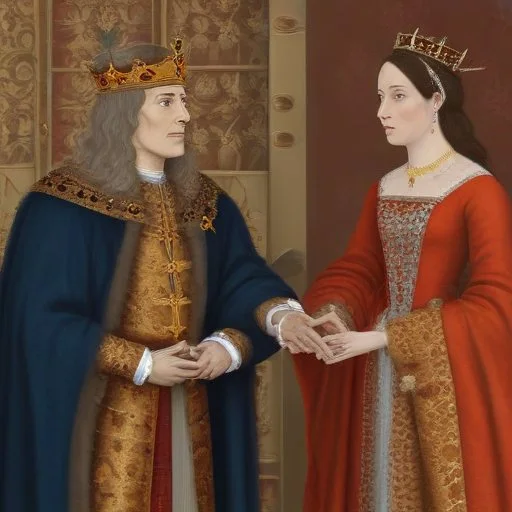
In the early 14th century, England was embroiled in a complex web of political intrigue, marked by the tumultuous reign of King Edward II. The king's favoritism towards his male companions, particularly Hugh Despenser the Younger, had alienated the nobility and sparked widespread discontent.
The consequences of Edward III's ascension were far-reaching, leading to a significant shift in the English power structure and setting the stage for a series of tumultuous events.
The turmoil surrounding Edward III's ascension had significant cultural and social implications, reflecting the complexities of medieval English society.
The circumstances surrounding Edward III's ascension were shrouded in controversy, contributing to a complex public perception of the monarch and the events that shaped his early reign.
Despite being the orchestrator of the coup, Queen Isabella's motivations remain shrouded in mystery. Some historians suggest that her actions were driven by a desire to protect her son's inheritance, while others propose that she sought revenge against her husband for his alleged mistreatment of her.
Isabella's early life, marked by the tragic loss of her brothers, had instilled in her a sense of resilience and determination. These traits would serve her well as she navigated the treacherous waters of medieval politics.
Her relationship with Roger Mortimer, a powerful and charismatic nobleman, remains the subject of much speculation. While some portray their affair as a romantic passion, others view it as a calculated political maneuver.

The deposition of King Edward II was not a singular event, but rather the culmination of a series of factors that had been simmering beneath the surface of English politics for years. The seeds of discontent had been sown by Edward's favoritism towards his male companions, which had alienated the nobility and sparked widespread unrest.
The English nobility, already wary of the king's autocratic tendencies, were further disillusioned by his handling of the Despenser crisis. The Despensers, a powerful noble family, had become increasingly influential at court, sparking tensions with the established nobility.
Against this backdrop of political intrigue, Queen Isabella's return to England in 1326 marked a turning point in the crisis. Her presence galvanized the opposition, and the stage was set for the dramatic events that would unfold in the following year.
The tumultuous events of 1326-1327 had a profound impact on English cultural identity, reflecting the complexities of medieval society. The rise of Queen Isabella and Roger Mortimer as de facto rulers challenged traditional notions of monarchical authority and gender roles.
The literary response to the coup was significant, with works such as the Chronicle of Geoffrey le Baker and the Brut Chronicle offering valuable insights into the public's perception of the events.
The cultural significance of the coup can be seen in the emergence of a new national identity, one that was forged in the crucible of crisis and upheaval. The English people, forced to confront the fragilities of their power structure, began to reevaluate their relationship with their monarchy.
The aftermath of the coup saw a significant shift in the English power structure, with Queen Isabella and Roger Mortimer dominating the government. This marked a departure from the traditional model of monarchical authority, where the king held sway over the nobility.
The new power dynamic, with a queen and her lover wielding significant influence, sparked widespread discontent among the nobility. This sentiment would ultimately contribute to Mortimer's downfall in 1330.
The dominance of Isabella and Mortimer also had significant implications for the concept of kingship, as Edward III's youth and inexperience raised questions about his ability to effectively govern the country.
The geopolitical context of the coup cannot be overstated, with the ongoing conflict with Scotland and the intricate web of alliances with European powers influencing the actions of the key players.
The French Connection, in particular, played a significant role in the crisis, with Queen Isabella's status as the sister of the French king providing her with a powerful bargaining chip in her negotiations with the English nobility.
The pressures of international politics, coupled with the internal tensions simmering beneath the surface of English politics, created a perfect storm that ultimately led to the downfall of King Edward II.