


On September 12, 1994, a single-engine Cessna 150, piloted by Frank Eugene Corder, tragically crashed onto the South Lawn of the White House, striking the West Wing in a shocking turn of events. This unprecedented incident, which would later be termed a "suicide by plane," left a lasting impact on American history and forever altered White House security protocols.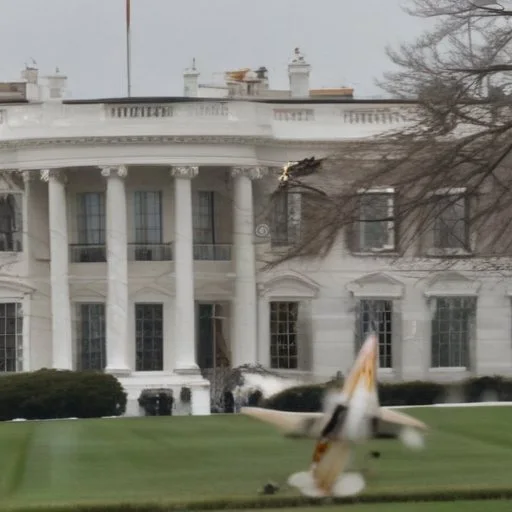
Frank Corder, a 38-year-old Maryland man, was no stranger to trouble. His life was marred by erratic behavior, marked by numerous run-ins with the law and a history of erratic employment. Despite his troubled past, Corder's motivations behind the fateful crash remained shrouded in mystery, leaving investigators and the public alike searching for answers.
The crash site was met with a swift response from emergency services, but miraculously, no one else was harmed in the incident. The investigation that followed revealed a complex individual, plagued by personal demons, but yielded no clear motive for the catastrophic event.
The 1994 White House crash led to a comprehensive overhaul of White House security protocols, introducing stringent measures to prevent similar incidents in the future. This tragedy serves as a poignant reminder of the vulnerability of even the most secure institutions and the importance of mental health awareness.
The incident sparked heated debates regarding airport security, mental health reform, and the need for increased scrutiny of pilot background checks. Corder's actions sparked a national conversation, forcing Americans to confront the harsh realities of mental illness and the devastating consequences of untreated instability.
The 1994 White House crash serves as a somber reminder of the importance of vigilant security measures and comprehensive mental health support. It also underscores the need for increased awareness and empathy towards those struggling with mental health issues, highlighting the importance of early intervention and support.
In conclusion, the 1994 White House crash, though a tragic event, has left an indelible mark on American history, prompting crucial reforms and sparking essential conversations about mental health and security. As we reflect on this fateful day, we honor the memory of Frank Eugene Corder, a troubled individual whose actions will forever shape our nation's collective conscience.
Frank Corder's childhood was marked by instability and neglect. His parents, both struggling with addiction, often left him to fend for himself. This precarious upbringing would later manifest in Corder's erratic behavior and tumultuous relationships.
Corder's employment history was checkered, with short stints at various jobs. He worked as a mechanic, a handyman, and even a taxi driver, but his inability to hold down a job led to financial struggles and feelings of inadequacy.
Despite his troubled past, Corder was known to be charismatic and charming, often winning people over with his wit and charm. However, this facade masked a deeper turmoil, as Corder's struggles with mental health continued to escalate.

The 1994 White House crash was a watershed moment in American popular culture. The incident sparked a wave of fascination with the darker side of human nature, inspiring numerous books, films, and documentaries that explored the complexities of mental health.
In the years following the crash, the phrase "suicide by plane" became a haunting refrain, symbolizing the desperation and despair that could drive individuals to extreme actions. This cultural phenomenon was reflected in the music, art, and literature of the time, as creatives grappled with the implications of Corder's tragic act.
In the early 1990s, the world was reeling from the aftermath of the Cold War. As the threat of communist expansion receded, new fears emerged, including the rise of domestic terrorism and the threat of lone-wolf actors.
Against this backdrop of uncertainty, the 1994 White House crash seemed to embody the anxieties of an era. It was an attack on the very symbol of American power and security, a stark reminder that even the most seemingly impregnable institutions were vulnerable to attack.
In the years leading up to the crash, the White House had witnessed a series of security breaches, including a 1993 incident in which a pilot flew a small plane into restricted airspace over the White House. The stage was set for a tragedy like the 1994 crash, which would ultimately serve as a wake-up call for enhanced security measures.

The 1994 White House crash had significant political implications, with lawmakers scrambling to respond to the crisis. In the aftermath, Congress passed the 1994 Federal Aviation Administration Authorization Act, which introduced stringent security measures to prevent similar incidents.
The crash also sparked a debate about the role of the Federal Aviation Administration (FAA) in regulating aviation security. Critics argued that the FAA had been too lax in its oversight, allowing Corder to fly undetected into restricted airspace.
The incident had a lasting impact on the Clinton administration, which faced criticism for its response to the crisis. The administration was forced to re-evaluate its priorities, shifting focus towards domestic security and the prevention of lone-wolf attacks.
In the aftermath of the 1994 White House crash, the FAA implemented significant technological upgrades to prevent similar incidents. One key innovation was the development of advanced radar systems capable of detecting small aircraft like Corder's Cessna 150.
The crash also spurred the development of more sophisticated air traffic control systems, enabling authorities to respond rapidly to unauthorized aircraft incursions. These advancements have since become standard practice in aviation security, safeguarding American airspace and preventing similar tragedies.
The incident also accelerated the adoption of unmanned aerial vehicles (UAVs) for surveillance and security purposes, providing an additional layer of defense against rogue aircraft.