


On November 3, 1936, Franklin D. Roosevelt made history by becoming the 32nd President of the United States, securing a landslide victory that would cement his legacy as a champion of the common man. With his Democratic party strongly behind him, Roosevelt trounced his Republican opponent, Alf Landon, carrying 46 states and garnering a whopping 523 electoral votes.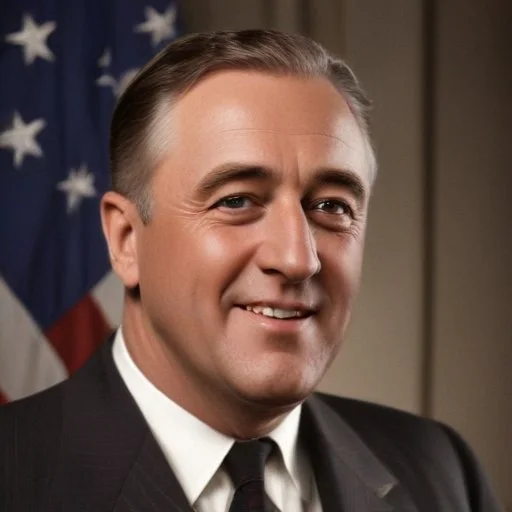
The 1936 presidential election took place against the backdrop of the Great Depression, which had left millions of Americans struggling to make ends meet. Roosevelt's New Deal policies, introduced during his first term, had begun to show signs of progress, but the country was still reeling from the economic downturn. Amidst this uncertainty, Roosevelt's campaign promises of continued reform and recovery resonated deeply with voters.
Roosevelt's re-election had far-reaching consequences for America, including:
Roosevelt's election had a profound impact on American culture and society, inspiring a new era of optimism and hope. His leadership and policies:
Franklin D. Roosevelt's election as the 32nd President of the United States marked a turning point in American history, cementing his status as one of the country's most influential leaders. His progressive policies, unwavering optimism, and unparalleled charisma continue to inspire generations of Americans, leaving a lasting legacy that endures to this day.
"The test of our progress is not whether we add more to the abundance of those who have much; it is whether we provide enough for those who have too little." - Franklin D. Roosevelt
Eleanor Roosevelt played a crucial role in her husband's 1936 presidential campaign, leveraging her vast network of contacts and influencers to rally support among women, labor unions, and minority groups.
As the First Lady, she traveled extensively throughout the country, giving speeches, hosting rallies, and meeting with local leaders to promote FDR's New Deal policies.
Her efforts paid off, as women and minority groups voted overwhelmingly for FDR, securing a landslide victory that would change the course of American history.
The New Deal's emphasis on arts and culture helped to revitalize American society during the Great Depression.
Programs like the Federal Theater Project, the Writers' Project, and the Artists' Union provided jobs and opportunities for thousands of struggling artists, writers, and performers.
This cultural renaissance helped to foster a sense of national identity and community, promoting American art, literature, and music to a wider audience.
The New Deal's investment in culture also helped to democratize access to the arts, making them more accessible to people from all walks of life.
FDR's 1936 victory marked a significant realignment of the American political landscape, as the Democratic Party consolidated its dominance over the electoral map.
The New Deal's popularity among urban, working-class, and minority voters helped to create a durable coalition that would propel Democratic candidates to victory for decades to come.
This realignment also led to a shift in the party's ideology, as the Democrats became increasingly associated with liberal, progressive values.

FDR's New Deal policies had a profound impact on the American economy, helping to stabilize the financial system and stimulate economic recovery.
The creation of jobs through programs like the Works Progress Administration (WPA) and the Civilian Conservation Corps (CCC) helped to reduce unemployment and increase consumer spending.
The New Deal's focus on infrastructure development, such as the construction of roads, bridges, and public buildings, also helped to modernize the country's infrastructure and promote long-term economic growth.
Historians have long debated the significance of FDR's presidency, with some viewing him as a champion of the common man and others criticizing his expansion of executive power.
Some historians argue that FDR's New Deal policies represented a fundamental shift in the role of government, establishing the federal government as a guarantor of economic security and social welfare.
Others contend that FDR's leadership style, which emphasized charismatic leadership and executive authority, set a troubling precedent for future presidents.