


The Free State of Fiume, a strategically located region on the Adriatic coast, was annexed by the Kingdom of Italy in 1924, marking a pivotal moment in the country's aggressive expansionist policy. This bold move by Italian dictator Benito Mussolini solidified Italy's dominance in the region, paving the way for further territorial claims and cementing Fiume's place in history as a coveted prize.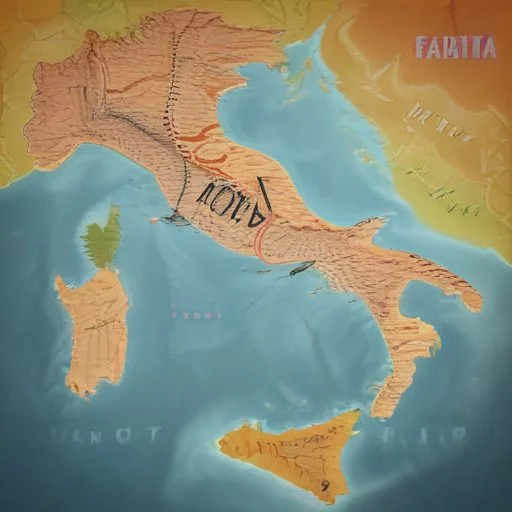
Fiume, a city with a rich cultural heritage, had been in a state of flux since the end of World War I. Once part of the Austro-Hungarian Empire, it was declared a free state in 1920, existing in a precarious balance of power between Italy, Yugoslavia, and Hungary. However, this independence was short-lived, as the city's strategic location and access to the Adriatic Sea made it an attractive target for Mussolini's expansionist ambitions.
Benito Mussolini, Italy's fascist dictator, was the driving force behind the annexation of Fiume. With his country still reeling from the aftermath of World War I, Mussolini sought to expand Italy's territory, secure its borders, and assert its dominance in the region. Fiume, with its prime location and access to the sea, was the perfect prize to bolster Italy's prestige and fuel Mussolini's imperial ambitions.
The annexation of Fiume marked a significant shift in the balance of power in the region, solidifying Italy's position as a leading nation in the Mediterranean. The move also paved the way for further territorial claims, including the eventual annexation of Albania and the invasion of Ethiopia.
The annexation of Fiume had a profound impact on the city's cultural and social fabric. Italianization policies aimed to suppress the local Croatian and Hungarian populations, leading to widespread migration and a significant shift in the city's demographics. Fiume was transformed into an Italian city, with the introduction of Italian language, customs, and institutions.
The annexation of Fiume was met with international criticism, with many viewing it as a flagrant violation of the city's independence and sovereignty. Many Croatians and Hungarians saw the move as an attempt to suppress their cultural identities, leading to widespread resentment and unrest.
| Year | Event |
|---|---|
| 1920 | Fiume declared a free state |
| 1923 | Mussolini begins to exert pressure on Fiume |
| 1924 | Italian troops occupy Fiume; annexation complete |
The story of Fiume serves as a testament to the complexities of identity, culture, and power. Despite being transformed by the annexation, the city's residents continued to hold onto their cultural heritage, resisting the forced Italianization policies. Their struggle serves as a beacon of inspiration, reminding us of the importance of preserving our cultural identities in the face of adversity.
The annexation of Fiume by the Kingdom of Italy in 1924 has been subject to varying interpretations by historians and scholars. While some view it as a bold move by Mussolini to assert Italy's dominance in the region, others see it as a flagrant violation of Fiume's sovereignty. This historiographical debate highlights the complexity of the event, with different perspectives shedding light on the motivations and consequences of the annexation.
Recent scholarship has emphasized the role of nationalist sentiment in driving Mussolini's expansionist policy, while others have argued that the annexation was a pragmatic move to secure Italy's borders and interests in the region. This ongoing debate underscores the need for a nuanced understanding of the historical context and the multifaceted nature of the event.
Riccardo Zanella, Fiume's president from 1921 to 1924, was a vocal opponent of Italian annexation. Despite facing immense pressure from Mussolini's government, Zanella remained committed to Fiume's independence, advocating for the city's autonomy and sovereignty.
Zanella's unwavering stance earned him admiration from Fiume's residents, who saw him as a symbol of resistance against Italian dominance. His determination to preserve Fiume's cultural identity and independence continues to inspire generations, serving as a testament to the power of courageous leadership in the face of adversity.
The annexation of Fiume had a profound impact on the city's cultural fabric. Italianization policies aimed to suppress the local Croatian and Hungarian populations, leading to widespread migration and a significant shift in the city's demographics.
The once-thriving cultural scene of Fiume was transformed overnight, as Italian language, customs, and institutions were imposed on the city. The cultural Fallout of the annexation continues to resonate today, with many Fiume residents still grappling with the loss of their cultural heritage and identity.
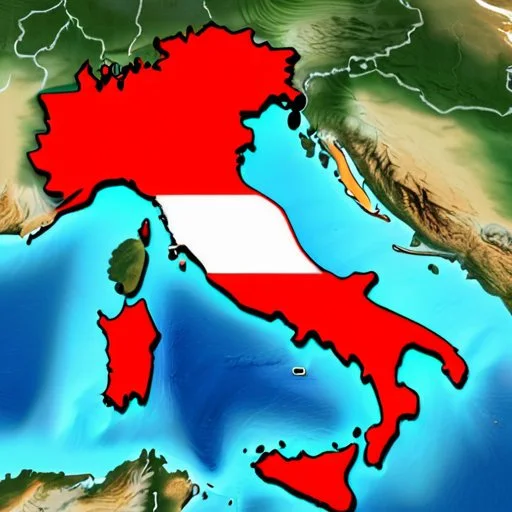
The annexation of Fiume was a strategic move by Mussolini to consolidate Italy's power and influence in the region. The city's prime location and access to the Adriatic Sea made it a coveted prize, with implications for the balance of power in the Mediterranean.
The annexation sent shockwaves throughout Europe, as countries began to reassess their alliances and interests in the face of Italian aggression. The event marked a significant shift in the political landscape, setting the stage for further territorial claims and conflicts in the years to come.
Fiume's strategic location on the Adriatic coast made it a prize coveted by multiple powers. Situated at the crossroads of European and Mediterranean trade routes, the city's control was crucial for any nation seeking to assert its dominance in the region.
The city's unique geography and history made it a lightning rod for tensions between Italy, Yugoslavia, and Hungary, with each country vying for control and influence. The annexation of Fiume by Italy in 1924 marked a turning point in this complex geopolitical landscape, solidifying Italy's position as a leading power in the Mediterranean.