


In a turn of events that would leave the nation reeling, George W. Bush was certified the winner of Florida's electoral votes by Katherine Harris, thereby securing the United States presidency, despite trailing behind in the national popular vote. This watershed moment would go on to reshape the course of American politics, leaving an indelible mark on the nation's collective consciousness.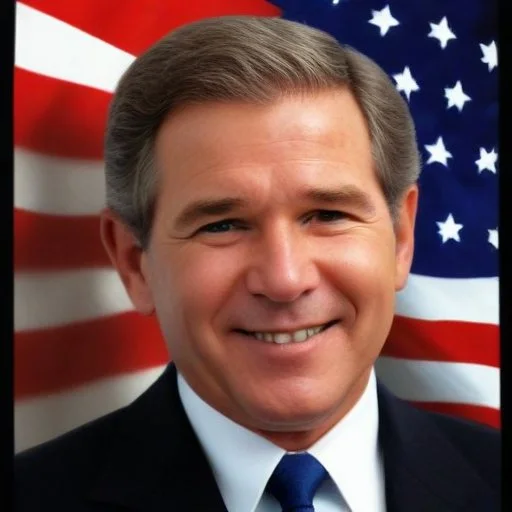
The 2000 presidential election was a clash of ideologies, pitting Democratic candidate Al Gore against Republican contender George W. Bush. As the election drew to a close, the nation held its collective breath, with the outcome hanging precariously in the balance.
On December 12, 2000, Florida Secretary of State Katherine Harris certified Bush as the winner of the state's 25 electoral votes, effectively tipping the scales in his favor. This decision was met with widespread controversy, as Gore's camp cried foul, citing irregularities in the voting process.
The final tally revealed a margin of victory of a mere 537 votes out of nearly 6 million cast in Florida. This razor-thin lead sparked outrage and disbelief, with many questioning the legitimacy of the outcome.
In a move that would prove pivotal, the Supreme Court intervened, halting the ongoing recounts in Bush v. Gore. This decision effectively sealed Bush's victory, leaving Gore no choice but to concede.
Gore's concession came despite his victory in the national popular vote by a margin of over 543,000 votes. This bitter irony would haunt the Democratic camp, fueling debates about the efficacy of the Electoral College system.
The 2000 presidential election would leave a lasting scar on American politics, exposing deep-seated divisions and fueling partisan tensions. The outcome would also raise important questions about the role of the Supreme Court in electoral disputes and the need for electoral reform.
In the aftermath, the 2000 presidential election would become synonymous with controversy and dispute. The event would be etched in the nation's collective memory, serving as a cautionary tale about the importance of electoral integrity and the need for transparency in the democratic process.
As the dust settled on this electoral battle, one thing became abundantly clear: the 2000 presidential election would be remembered as a watershed moment in American political history, a potent reminder of the importance of safeguarding the democratic process.
The 2000 presidential election had a profound impact on American culture, perpetuating a sense of disillusionment and mistrust in the electoral process.
The controversy surrounding the election led to a surge in voter activism, with many young Americans becoming increasingly engaged in political issues.
The "hanging chad" controversy became a symbol of the election, with the term becoming synonymous with electoral disputes.The election also led to a reevaluation of the role of the media in democracy, with many questioning the influence of news outlets in shaping public opinion.
The 2000 presidential election marked a turning point in American cultural history, leaving an indelible mark on the nation's collective psyche.
Katherine Harris, the Florida Secretary of State, played a pivotal role in the 2000 presidential election, certifying George W. Bush as the winner of the state's electoral votes.
A Republican and former Bush ally, Harris faced criticism for her handling of the election, with many accusing her of partisan bias.
Harris's decision was seen as a deliberate attempt to sway the outcome of the election, sparking widespread outrage and controversy.Despite the controversy, Harris remained unapologetic, insisting that she had acted in accordance with Florida state law.
The 2000 presidential election marked the fourth time in U.S. history that the winner of the popular vote did not take the presidency.
In 1824, John Quincy Adams won the presidency despite losing the popular vote to Andrew Jackson.
In 1876, Rutherford B. Hayes won the presidency despite losing the popular vote to Samuel J. Tilden.In 1888, Benjamin Harrison won the presidency despite losing the popular vote to Grover Cleveland.
The 2000 presidential election highlighted the need for electoral reform, with many calling for the abolition of the Electoral College system.
The 2000 presidential election had significant political consequences, exposing deep-seated divisions within the Democratic and Republican parties.
The election led to a increase in partisan tensions, with many Democrats questioning the legitimacy of Bush's presidency.
The election also led to a reevaluation of the role of the Supreme Court in electoral disputes, with many criticizing the Court's intervention.The election marked a turning point in American political history, with the nation becoming increasingly polarized.
The 2000 presidential election continues to shape American politics, influencing political discourse and policy decisions.
The 2000 presidential election highlighted the importance of technology in the electoral process, with voting machines and election software coming under scrutiny.
The controversy surrounding the election led to calls for the development of more reliable and secure voting systems.
The election marked a turning point in the use of technology in elections, with many states investing in electronic voting systems.The election also led to an increase in online political activism, with many Americans turning to the internet to engage in political discourse.
The 2000 presidential election showed the importance of technology in shaping the electoral landscape.