


In a groundbreaking move, Ottokar IV, Duke of Styria, relinquished his duchy to Leopold V, Duke of Austria, and his son Frederick, forever sealing the fate of Austria and Styria as inseparable territories. This historic agreement, known as the Georgenberg Pact, would go on to shape the course of Central European history, leaving an indelible mark on the region.
The Georgenberg Pact was more than just a transfer of power – it was a union of two powerful dynasties, forging an unbreakable bond between Austria and Styria. This strategic alliance was the culmination of Ottokar IV's efforts to secure his family's interests, while Leopold V expanded his dominion, establishing a powerful dynasty that would resonate throughout the centuries.
In 1186, Ottokar IV and Leopold V convened at Georgenberg Castle, where they signed the historic pact, paving the way for a unified Austrian-Styrian dynasty. This momentous occasion marked the beginning of a new era, as the two territories began to operate as a single entity.
The Georgenberg Pact had a profound impact on the cultural and social fabric of Austria and Styria. The union of the two territories led to a blending of customs, traditions, and values, forging a unique Austrian-Styrian identity.
The Georgenberg Pact serves as a testament to the power of visionary leadership and strategic alliances. This historic agreement has inspired generations of leaders, diplomats, and statesmen, reminding them that even the most unlikely of unions can lead to greatness.
As we reflect on the Georgenberg Pact, we are reminded that the bonds of unity and cooperation can shape the course of history, leaving a lasting legacy that continues to inspire and motivate us to this day.
The Georgenberg Pact was not an isolated event, but rather the culmination of a series of strategic moves by Ottokar IV and Leopold V. In the years leading up to the pact, both dukes engaged in a delicate dance of alliances and negotiations, carefully maneuvering to secure their interests and expand their territories. The pact was, in many ways, a masterstroke of diplomatic finesse, as both parties emerged from the agreement with their power and influence significantly enhanced.
One of the key factors contributing to the success of the Georfenberg Pact was the personal relationship between Ottokar IV and Leopold V. Despite being from different dynasties, the two dukes shared a deep respect for one another, forged through years of mutual admiration and cooperation. This bond of trust enabled them to navigate the complex web of alliances and rivalries that characterized the medieval landscape, ultimately leading to the historic agreement.
The signing of the Georgenberg Pact also marked a significant shift in the balance of power in Central Europe. As Austria and Styria became increasingly intertwined, their collective strength and influence began to rival that of other major powers in the region. This, in turn, attracted the attention of neighboring territories, who began to re-evaluate their own alliances and strategies in response to the emerging Austrian-Styrian dynasty.
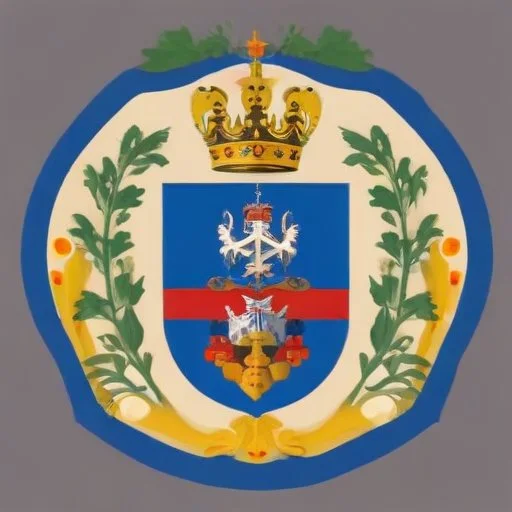
Ottokar IV, Duke of Styria, was a man of vision and cunning, renowned for his ability to navigate the treacherous landscape of medieval politics. Despite being a member of the Styrian dynasty, Ottokar IV was willing to put the interests of his family and territory aside, recognizing that unity with Austria would ensure a stronger and more prosperous future.
Leopold V, Duke of Austria, was a shrewd and ambitious leader, driven by a desire to expand his dominion and solidify his position as a major power in Central Europe. Through his strategic alliance with Ottokar IV, Leopold V was able to achieve his goals while also securing the loyalty and admiration of his Styrian counterpart.
The Georgenberg Pact had a profound impact on the cultural landscape of Austria and Styria, as the two territories began to blend their unique customs and traditions. The union facilitated the exchange of ideas, artistic styles, and literary works, resulting in a rich cultural heritage that continues to shape the identity of both regions to this day.
The pact also led to the development of a distinct Austrian-Styrian identity, as the two territories began to forge a shared sense of history and purpose. This emerging identity was reflected in the art, architecture, and literature of the time, as creatives began to draw inspiration from the newly formed alliance.
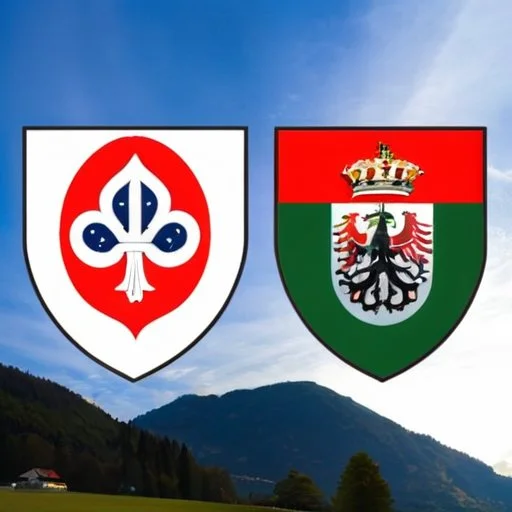
The Georgenberg Pact must be viewed within the context of the broader medieval landscape, where petty squabbles and alliances were the norm. The pact was a rare instance of cooperation and foresight, as two powerful dynasties put aside their differences to forge a lasting bond.
The pact also highlights the complexities of medieval geopolitics, where rivalries and alliances could shift in an instant. The Georgenberg Pact demonstrates that, even in an era marked by fragmentation and competition, visionary leaders could still achieve greatness through strategic cooperation.
The Georgenberg Pact was a masterclass in realpolitik, as Ottokar IV and Leopold V navigated the intricate web of alliances and rivalries that characterized the medieval landscape. The pact exemplifies the importance of adaptability and strategic thinking in politics, as both leaders demonstrated a willingness to adjust their strategies to achieve their goals.
The pact also underscores the significance of personal relationships in politics, as the bond between Ottokar IV and Leopold V proved instrumental in securing the agreement. This highlights the importance of building trust and fostering strong relationships in international diplomacy, particularly in times of uncertainty and change.