


March 5, 1953, marked a pivotal moment in Soviet history as Georgy Malenkov succeeded the formidable Joseph Stalin as Premier of the Soviet Union and First Secretary of the Communist Party. This sudden shift in power signaled a potential departure from Stalin's iron-fisted rule, hinting at a possible thaw in the Cold War.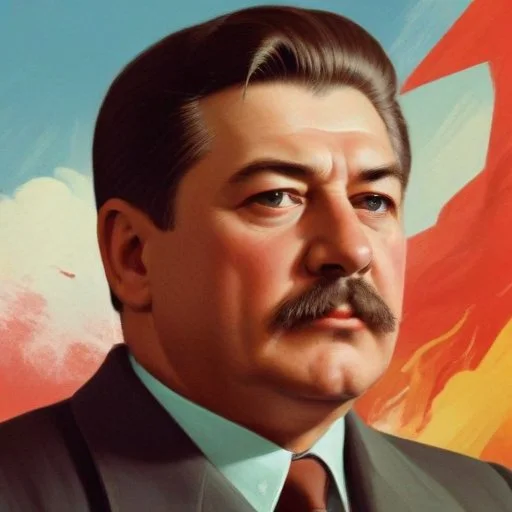
Georgy Malenkov, a seasoned politician and Stalin's protégé, had been quietly ascending the ranks of Soviet politics. Born in 1902, Malenkov joined the Communist Party in 1920 and rapidly gained Stalin's trust, becoming a member of the Central Committee in 1939. As Stalin's right-hand man, Malenkov oversaw key industries, including agriculture and energy, earning a reputation as a skilled administrator.
Malenkov's rise to power sparked hope for a more liberal Soviet era. Unlike Stalin's brutal approach, Malenkov advocated for decentralization, increased autonomy for Soviet republics, and a more open-door policy with the West. These conciliatory gestures hinted at a possible détente in the Cold War, with some even speculating about the possibility of Soviet-US cooperation.
However, Malenkov's ascension was not without its challenges. The Communist Party's old guard, including Nikita Khrushchev and Vyacheslav Molotov, opposed Malenkov's reforms, fearing they would undermine the Party's authority. As Malenkov navigated this treacherous landscape, he faced opposition from hardliners who saw him as too soft and too willing to compromise.
Despite these challenges, Malenkov's premiership marked a significant shift in Soviet politics. His more liberal approach paved the way for increased dissent and criticism, allowing for a more open discussion of Stalin's atrocities. This newfound openness also enabled the rise of a new generation of Soviet leaders, including Khrushchev, who would eventually succeed Malenkov.
Malenkov's time in power, though marked by controversy, laid the groundwork for Soviet reforms in the decades to come. His more liberal stance, though ultimately short-lived, helped pave the way for Khrushchev's de-Stalinization efforts and the eventual collapse of the Soviet Union. Malenkov's legacy serves as a testament to the power of gradual change, highlighting the importance of incremental reform in shaping the course of history.
As the Soviet Union entered a new era, one thing was certain: the shadow of Stalin still loomed large, casting a dark silhouette over the fragile landscape of Soviet politics. Yet, amidst the turmoil, Malenkov's bold move marked a glimmer of hope, illuminating the path toward a more uncertain, but ultimately more liberated, future.
Malenkov's rise to power marked a significant shift in the Soviet Union's political landscape. As a seasoned politician, he navigated the complex web of alliances and rivalries within the Communist Party to emerge as Stalin's successor.
One of the key factors that contributed to Malenkov's success was his ability to build relationships with other party leaders. He formed alliances with influential figures such as Nikita Khrushchev and Anastas Mikoyan, which helped him to consolidate his power.
Despite his political acumen, Malenkov's premiership was not without its challenges. He faced opposition from hardliners within the party who were skeptical of his liberal reforms and worried about the potential consequences of his conciliatory approach towards the West.
Malenkov's leadership style was characterized by a more collaborative approach, which marked a departure from Stalin's authoritarian rule. He encouraged open discussion and debate within the party, which helped to foster a sense of unity and cooperation.

The Soviet Union's internal politics were deeply intertwined with its international relations during the Cold War era. Malenkov's rise to power marked a turning point in the Soviet Union's foreign policy, as he sought to adopt a more conciliatory approach towards the West.
Malenkov's diplomatic efforts were guided by a desire to reduce tensions with the West and find ways to cooperate on key issues. He believed that a more pragmatic approach to international relations could help to reduce the risk of conflict and promote economic cooperation.
The Soviet Union's relations with its Eastern European allies also underwent a significant shift during Malenkov's premiership. He sought to adopt a more decentralized approach, giving greater autonomy to the Soviet republics and encouraging more open communication with the West.
Georgy Malenkov was a complex and enigmatic figure, whose personality and motivations continue to fascinate historians. Born in 1902, Malenkov rose through the ranks of the Communist Party, earning a reputation as a skilled administrator and politician.
Malenkov's relationship with Stalin was crucial to his rise to power. He was one of Stalin's most trusted allies, and his loyalty was rewarded with key appointments and responsibilities.
Despite his close ties to Stalin, Malenkov was not without his own distinct personality and vision. He was known for his more liberal approach to politics, which set him apart from the hardliners within the party.

Historians have long debated the significance of Malenkov's premiership, with some viewing it as a turning point in Soviet history and others seeing it as a mere interlude between Stalin's rule and Khrushchev's reforms.
One school of thought argues that Malenkov's liberal reforms paved the way for Khrushchev's de-Stalinization efforts, which ultimately led to the decline of the Soviet Union.
Another perspective views Malenkov's premiership as a missed opportunity, arguing that his conciliatory approach towards the West was insufficient to overcome the entrenched interests and ideologies of the Soviet elite.
Malenkov's rise to power had a profound impact on Soviet culture, as he sought to promote a more liberal and open approach to art and literature.
The Soviet Union's cultural scene was transformed during Malenkov's premiership, as writers, artists, and intellectuals were given greater freedom to express themselves.
Malenkov's cultural policies were guided by a desire to promote a more nuanced and realistic portrayal of Soviet life, moving away from the rigid dogma of Stalin's era.